

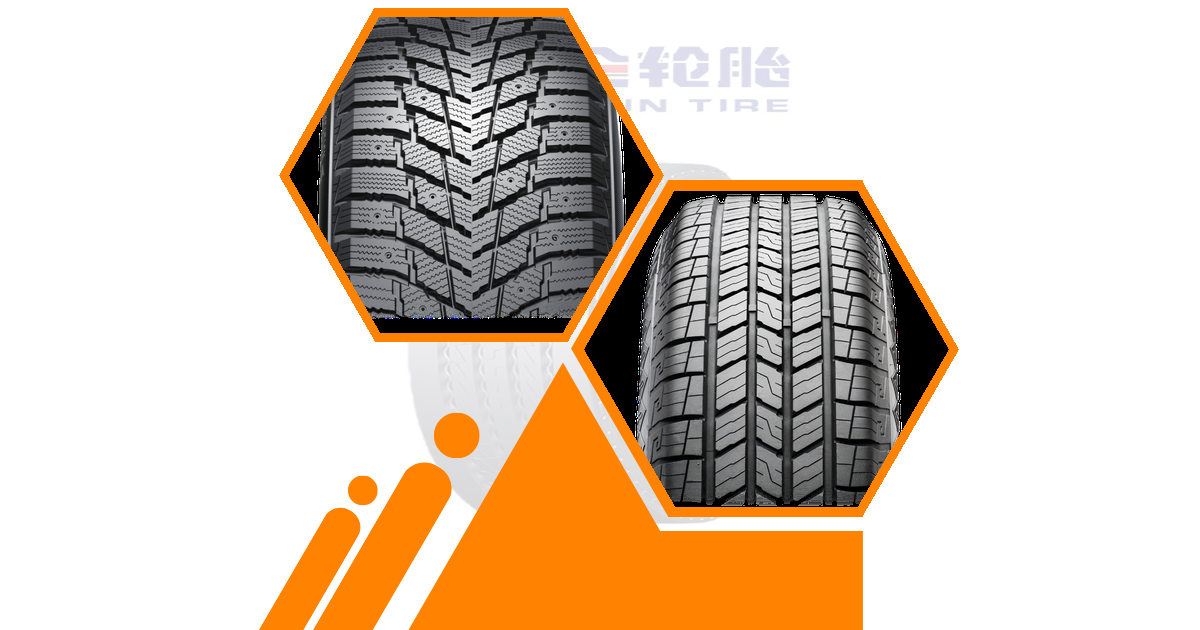
Why Tire Wear Matters
Importance of Proper Tire Maintenance
Proper tire maintenance is crucial for the overall performance and safety of your vehicle. Regular care ensures optimal traction, handling, and fuel efficiency. Neglecting tire maintenance can lead to premature wear, reduced performance, and potential safety hazards on the road.
Impact on Vehicle Safety and Performance
Tire wear directly affects your vehicle’s safety and performance. As tires wear down, their ability to grip the road diminishes, especially in wet conditions. This can result in longer stopping distances, reduced cornering ability, and increased risk of hydroplaning. Maintaining proper tire condition is essential for ensuring your vehicle performs as intended in various driving situations.
Cost Implications of Premature Tire Replacement
Ignoring tire wear can lead to premature replacement, which can be a significant expense for vehicle owners. Regular maintenance and addressing wear issues early can extend tire life, saving you money in the long run. Proper care also helps maintain fuel efficiency, further reducing overall vehicle operating costs.
- Key factors affecting tire wear:
- Driving habits
- Road conditions
- Vehicle alignment
- Tire pressure
- Regular rotation
What Are Tread Wear Indicators

Definition and Purpose
Tread wear indicators are small, raised bars located within the tire’s tread grooves. These indicators serve as visual cues to help drivers determine when their tires have worn down to the legal minimum tread depth. When the tire tread wears down to the level of these indicators, it’s time to replace the tire.
How to Locate Tread Wear Indicators
Tread wear indicators are typically spaced evenly around the tire’s circumference. To find them, look for small raised bars running perpendicular to the direction of the tread pattern. These bars are usually located at the bottom of the tread grooves and become more visible as the tire wears down.
Legal Tread Depth Requirements
Most countries have specific legal requirements for minimum tire tread depth. In the United States, the legal minimum is typically 2/32 of an inch (1.6 mm). When your tire tread wears down to this level, the tread wear indicators will be flush with the tire’s surface, indicating that it’s time for replacement.
| Country | Minimum Tread Depth |
| USA | 2/32 inch (1.6 mm) |
| UK | 1.6 mm |
| Germany | 1.6 mm |
| France | 1.6 mm |
The Different Tire Wear Types

Normal vs. Irregular Wear Patterns
Normal tire wear occurs evenly across the tire’s surface over time. This type of wear is expected and indicates that your vehicle’s suspension, alignment, and tire pressure are all in good condition. Irregular wear patterns, on the other hand, suggest underlying issues that need to be addressed.
Identifying Early Signs of Uneven Wear
Early detection of uneven wear is crucial for preventing more severe tire damage. Regular visual inspections can help you spot potential problems before they worsen. Look for signs such as:
- Excessive wear on one side of the tire
- Scalloped or cupped edges
- Bald spots or flat areas
- Feathering along the tire’s edges
Early identification allows for timely corrective actions, potentially saving you from premature tire replacement.
One-Sided Wear
Causes of One-Sided Tire Wear
One-sided tire wear often results from improper wheel alignment, specifically issues with camber angles. Other causes can include worn suspension components or uneven weight distribution in the vehicle. This type of wear can significantly reduce tire life and affect vehicle handling.
Camber Wear Explained
Camber wear occurs when the wheel’s vertical alignment is off, causing the tire to lean inward or outward. This misalignment leads to excessive wear on either the inner or outer edge of the tire. Positive camber results in wear on the tire’s outer edge, while negative camber causes wear on the inner edge.
Corrective Actions for One-Sided Wear
To address one-sided wear:
- Have your wheel alignment checked and adjusted
- Inspect and replace worn suspension components
- Rotate tires regularly to promote even wear
- Ensure proper tire inflation
AM Autoparts recommends regular alignment checks to prevent one-sided wear and extend tire life.
Wear on Both Sides
Shoulder Step Wear
Shoulder step wear is characterized by excessive wear on both outer edges of the tire. This type of wear is often caused by chronic underinflation, which allows the tire’s shoulders to bear more weight than the center. Regular tire pressure checks can help prevent this issue.
Feathering and Its Causes
Feathering occurs when the tire tread develops a smooth edge on one side and a sharp edge on the other. This wear pattern is typically caused by improper toe alignment, where the wheels are not pointing straight ahead. Feathering can also result from worn suspension components or bent steering parts.
Toe Wear Patterns
Toe wear is a result of the wheels being misaligned in relation to each other. When the wheels are not parallel, it causes the tires to scrub against the road surface, leading to uneven wear. Proper wheel alignment is crucial for preventing toe wear and ensuring even tread wear across all tires.
- Common causes of toe wear:
- Improper wheel alignment
- Worn tie rods
- Bent steering components
- Accident damage
The Center Wear
Over-Inflation as a Primary Cause
Center wear occurs when the middle of the tire tread wears faster than the outer edges. The primary cause of this wear pattern is over-inflation, which causes the tire’s center to bulge outward and bear more of the vehicle’s weight. Regular tire pressure checks and maintaining the manufacturer’s recommended pressure can prevent center wear.
Effects on Tire Performance and Lifespan
Center wear can significantly impact tire performance and longevity. Over-inflated tires have reduced contact with the road surface, leading to:
- Decreased traction, especially in wet conditions
- Increased risk of tire damage from road hazards
- Reduced tire lifespan due to uneven wear
- Harsher ride quality
Proper Inflation Techniques
To maintain proper tire inflation:
- Check tire pressure when tires are cold
- Use a reliable tire pressure gauge
- Follow the vehicle manufacturer’s recommended pressure
- Adjust pressure for load and driving conditions
- Check pressure at least once a month
The Unusual Wear
Cupping or Scallop Wear
Cupping, also known as scalloping, is characterized by a series of smooth spots or cups around the tire’s circumference. This unusual wear pattern is often caused by worn suspension components, out-of-balance wheels, or misaligned tires. Regular suspension checks and wheel balancing can help prevent cupping.
Diagonal Wear Patterns
Diagonal wear appears as alternating bands of wear across the tire tread. This pattern is typically caused by issues with the vehicle’s suspension geometry or problems with the wheel bearings. Addressing these underlying mechanical issues is crucial for preventing diagonal wear.
Multiple Flat Spotting
Multiple flat spots on a tire can result from repeated hard braking or from the vehicle being stationary for extended periods. This type of wear can cause vibrations and reduce tire performance. Regular tire rotation and avoiding prolonged parking in one position can help prevent multiple flat spotting.
Tips To Prevent Uneven Tread Wear
Regular Tire Rotation
Tire rotation involves moving tires from one position on the vehicle to another. This practice promotes even wear across all tires, extending their lifespan. Follow your vehicle manufacturer’s recommended rotation pattern and schedule.
Maintaining Proper Tire Pressure
Proper tire inflation is crucial for even tread wear. Underinflated or overinflated tires can lead to uneven wear patterns. Check your tire pressure regularly, especially before long trips or when carrying heavy loads.
Scheduled Wheel Alignments
Regular wheel alignments ensure that your vehicle’s suspension components are properly adjusted. This helps distribute weight evenly across all tires, promoting uniform wear. AM Autoparts suggests having your alignment checked at least once a year or whenever you notice signs of uneven wear.
- Benefits of regular maintenance:
- Extended tire life
- Improved fuel efficiency
- Better handling and safety
- Reduced risk of unexpected tire failure
How Often Should Tires Be Rotated
Recommended Rotation Intervals
Most vehicle manufacturers and tire experts recommend rotating tires every 5,000 to 8,000 miles. However, this can vary depending on your vehicle type, driving habits, and tire wear patterns. Consult your vehicle’s owner manual or a tire professional for specific recommendations.
Rotation Patterns for Different Vehicle Types
Different vehicles require different rotation patterns:
- Front-wheel drive: Front to rear, then side to side
- Rear-wheel drive: Rear to front, then side to side
- Four-wheel drive: X-pattern or front to rear
Always follow the manufacturer’s recommended rotation pattern for your specific vehicle.
Benefits of Regular Tire Rotation
Regular tire rotation offers several advantages:
- Promotes even wear across all tires
- Extends overall tire life
- Maintains balanced handling and traction
- Helps identify alignment or suspension issues early
What Causes Tire Cupping
Suspension Issues and Tire Cupping
Worn or damaged suspension components are a primary cause of tire cupping. When shocks or struts fail to properly control the tire’s movement, it can bounce or vibrate excessively, leading to uneven wear patterns. Regular suspension checks can help prevent this issue.
Wheel Balancing Problems
Improperly balanced wheels can cause tire cupping. When a wheel is out of balance, it creates vibrations that can lead to uneven tire wear. Regular wheel balancing, especially after tire installation or repair, is crucial for preventing cupping.
Diagnosing and Fixing Cupped Tires
To address tire cupping:
- Inspect suspension components and replace worn parts
- Balance wheels and tires
- Check and adjust wheel alignment
- Replace severely cupped tires if necessary
AM Autoparts recommends professional inspection if you suspect tire cupping, as it often indicates underlying mechanical issues.
How Do I Know If My Tires Need Balancing
Signs of Unbalanced Tires
Unbalanced tires can cause several noticeable symptoms:
- Vibration in the steering wheel, floorboard, or seat
- Uneven or rapid tire wear
- Reduced fuel efficiency
- Poor handling, especially at higher speeds
If you experience any of these signs, it’s time to have your tires balanced.
Importance of Proper Tire Balance
Properly balanced tires are crucial for:
- Even tread wear
- Smooth and comfortable ride
- Optimal fuel efficiency
- Reduced stress on suspension components
Frequency of Tire Balancing
Tires should be balanced:
- When new tires are installed
- During tire rotation (every 5,000 to 8,000 miles)
- If you notice vibrations or uneven wear
- At least once a year as part of regular maintenance
Can Alignment Cause Uneven Tire Wear
Relationship Between Alignment and Tire Wear
Wheel alignment plays a crucial role in tire wear patterns. Misaligned wheels can cause tires to wear unevenly, reducing their lifespan and performance. Proper alignment ensures that tires make optimal contact with the road surface, promoting even wear and extending tire life.
Types of Misalignment and Their Effects
Different types of misalignment cause specific wear patterns:
- Toe misalignment: Causes feathering wear
- Camber misalignment: Results in one-sided wear
- Caster misalignment: Can lead to pulling and uneven wear
When to Get a Wheel Alignment
Consider getting a wheel alignment:
- After hitting a large pothole or curb
- When installing new tires
- If you notice uneven tire wear
- At least once a year as preventive maintenance
Regular alignments can significantly extend tire life and improve vehicle handling.
How Long Do Tires Usually Last
Average Tire Lifespan
The average tire lifespan varies depending on several factors, but typically ranges from 25,000 to 50,000 miles. High-performance tires may wear out faster, while some all-season tires can last up to 80,000 miles under ideal conditions.
Factors Affecting Tire Longevity
Several factors influence tire lifespan:
- Driving habits and road conditions
- Tire maintenance and rotation
- Vehicle alignment and suspension condition
- Tire quality and design
- Climate and storage conditions
Signs It’s Time to Replace Your Tires
Look for these indicators that your tires need replacement:
- Tread wear indicators are visible
- Tread depth is less than 2/32 of an inch
- Cracks or bulges in the sidewall
- Excessive or uneven wear patterns
- Tires are more than 6 years old, regardless of tread depth
Regular inspections and maintenance can help you identify these signs early and ensure timely tire replacement.
FAQs
How can I tell if my tires are worn out?
You can tell if your tires are worn out by checking the tread depth using a tread depth gauge or the penny test. Insert a penny into the tread groove with Lincoln’s head upside down and facing you. If you can see the top of Lincoln’s head, your tread depth is less than 2/32 inch and it’s time to replace your tires. Additionally, look for visible wear bars, which are raised sections that run across the tread. If these are flush with the tread surface, your tires need replacement.
What’s the difference between alignment and balancing?
Alignment refers to adjusting the angles of the wheels so they are perpendicular to the ground and parallel to each other. This ensures that the tires make proper contact with the road surface. Balancing, on the other hand, involves equalizing the weight distribution around the tire and wheel assembly. While alignment affects how the tires wear and how the vehicle handles, balancing prevents vibrations and ensures a smooth ride. Both procedures are important for optimal tire performance and longevity.
Can I rotate my own tires at home?
Yes, you can rotate your own tires at home if you have the proper tools and knowledge. You’ll need a car jack, jack stands, a lug wrench, and a torque wrench. However, it’s important to follow the correct rotation pattern for your vehicle and ensure that you’re working safely. If you’re not confident in your ability to perform the rotation correctly, it’s best to have it done by a professional. Improper rotation can lead to uneven wear and potentially dangerous driving conditions.