

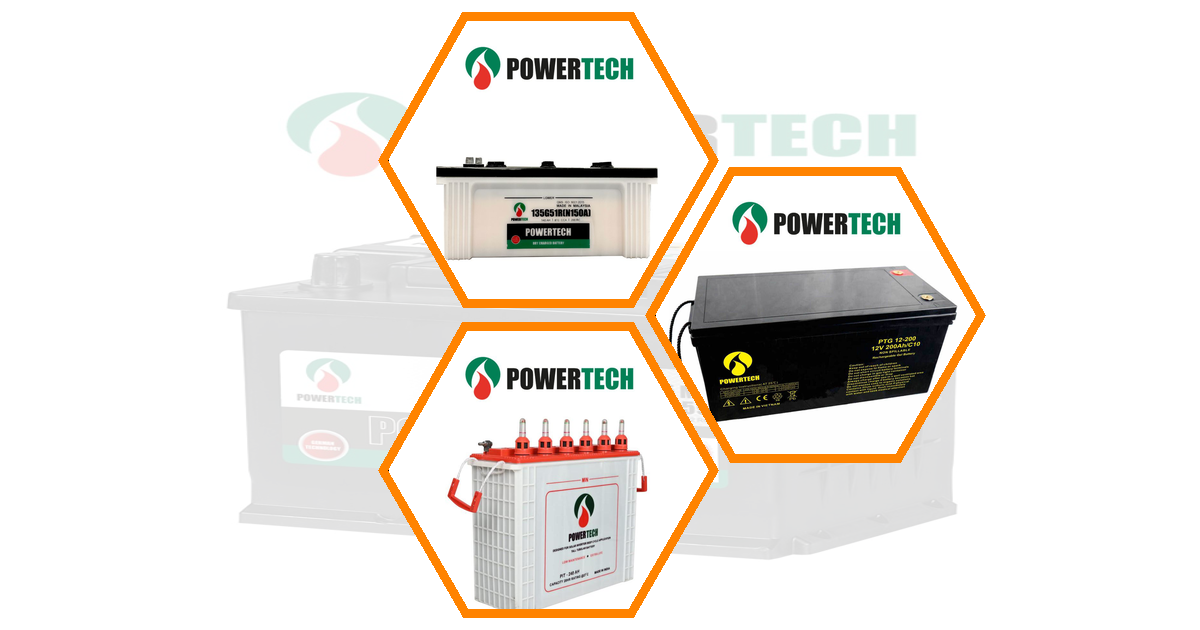
What is a Dry Charged Battery?
A dry charged battery is a type of lead-acid battery that is shipped without electrolyte. This means the battery remains inactive until the electrolyte is added, which activates the battery. This unique feature allows for a longer shelf life compared to other battery types. The dry charged battery is particularly popular in industries where long storage periods are common before activation.
Components of a Dry Charged Battery
The main components of a dry charged battery include lead plates, separators, and a casing. The lead plates are crucial as they store the electrical energy, while the separators prevent short circuits between the plates. The casing holds all the components together and provides protection from external elements.
- Lead Plates: Store electrical energy.
- Separators: Prevent short circuits.
- Casing: Protects internal components.
How Dry Charged Batteries Work

Activation Process
The activation process of a dry charged battery involves adding an electrolyte solution, typically sulfuric acid, to the battery. This process initiates the chemical reactions necessary for the battery to produce electricity. Once activated, the battery is ready for use in various applications.
Chemical Reactions
The chemical reactions in a dry charged battery involve the conversion of lead dioxide and sponge lead into lead sulfate during discharge. This process releases electrical energy. When the battery is recharged, the lead sulfate is converted back into lead dioxide and sponge lead, allowing the cycle to continue.
- Discharge Reaction: Lead dioxide + Sponge lead → Lead sulfate + Electrical energy
- Recharge Reaction: Lead sulfate → Lead dioxide + Sponge lead
Manufacturing Process of Dry Charged Batteries

Plate Charging
During the manufacturing process, the lead plates are charged with electricity to prepare them for future activation. This step is crucial as it ensures the plates are ready to react with the electrolyte once added.
Drying Techniques
After charging, the plates undergo a drying process to remove any moisture. This step is essential to ensure the battery remains inactive until the electrolyte is added. Proper drying techniques help maintain the battery’s shelf life and performance.
- Plate Charging: Prepares plates for activation.
- Drying: Ensures long shelf life.
Applications of Dry Charged Batteries
Automotive Industry
Dry charged batteries are widely used in the automotive industry due to their long shelf life and reliability. They are ideal for vehicles that may not be used immediately after production, as they can be stored for extended periods without losing charge.
Industrial Uses
In industrial settings, dry charged batteries are used in backup power systems and machinery. Their ability to remain inactive until needed makes them a cost-effective solution for industries with fluctuating power demands.
- Automotive: Long shelf life, reliable.
- Industrial: Cost-effective, versatile.
Advantages of Dry Charged Batteries
Extended Shelf Life
One of the primary advantages of dry charged batteries is their extended shelf life. Since they are shipped without electrolyte, they can be stored for long periods without degradation, making them ideal for industries with unpredictable usage patterns.
Higher Power Output
Dry charged batteries are known for their higher power output compared to other battery types. This makes them suitable for applications requiring a reliable and robust power source.
- Shelf Life: Long storage without degradation.
- Power Output: Reliable and robust.
Types of Dry Charged Batteries
Lead-Acid Dry Charged Batteries
Lead-acid dry charged batteries are the most common type, known for their reliability and cost-effectiveness. They are widely used in automotive and industrial applications due to their proven performance.
Other Dry Charged Battery Technologies
Other technologies include nickel-cadmium and lithium-based dry charged batteries. These offer different benefits, such as lighter weight and higher energy density, but are less common than lead-acid types.
- Lead-Acid: Reliable, cost-effective.
- Other Technologies: Lightweight, high energy density.
Maintenance and Storage of Dry Charged Batteries
Proper Storage Conditions
To maximize the shelf life of dry charged batteries, they should be stored in a cool, dry place away from direct sunlight. Proper storage conditions prevent premature activation and degradation.
Activation Guidelines
When activating a dry charged battery, it’s important to follow the manufacturer’s guidelines. This ensures the battery performs optimally and has a long service life.
- Storage: Cool, dry place.
- Activation: Follow guidelines.
Environmental Impact of Dry Charged Batteries
Recycling Processes
Dry charged batteries are recyclable, and their components can be reused in new batteries. This reduces environmental impact and conserves resources.
Sustainability Factors
The sustainability of dry charged batteries is enhanced by their long shelf life and recyclability. These factors contribute to a reduced carbon footprint compared to other battery types.
- Recycling: Components reused.
- Sustainability: Long shelf life, reduced footprint.
Comparing Dry Charged Batteries to Other Battery Types
Wet Cell Batteries
Wet cell batteries are pre-filled with electrolyte and ready for immediate use. They are convenient but have a shorter shelf life compared to dry charged batteries.
Maintenance-Free Batteries
Maintenance-free batteries require no electrolyte addition or maintenance, offering convenience at the cost of a shorter lifespan and higher price.
- Wet Cell: Immediate use, shorter shelf life.
- Maintenance-Free: No maintenance, higher cost.
How do you activate a dry charged battery?
To activate a dry charged battery, add the specified amount of electrolyte and allow it to soak into the plates. This process typically takes a few hours, after which the battery is ready for use.
Future Trends in Dry Charged Battery Technology
Innovations in Materials
Future trends in dry charged battery technology include the development of new materials that enhance performance and reduce environmental impact. These innovations aim to improve energy density and longevity.
Improved Performance Characteristics
Advancements in dry charged battery technology focus on increasing power output and efficiency. These improvements make them more competitive with other battery types in various applications.
- Materials: Enhanced performance, reduced impact.
- Performance: Increased output, efficiency.
According to the U.S. Department of Energy, lead-acid batteries, including dry charged types, account for over 70% of the world’s rechargeable battery market. This statistic highlights the significance of dry charged batteries in the global energy landscape.
FAQs
What is the difference between a dry charged and wet charged battery?
A dry charged battery is shipped without electrolyte, while a wet charged battery comes pre-filled with electrolyte and is ready for immediate use. This difference affects their shelf life and activation process. Dry charged batteries can be stored longer, while wet charged batteries are more convenient for immediate applications.
How long does a dry charged battery last?
A dry charged battery can last several years if stored properly before activation. Once activated, its lifespan is similar to that of a wet charged battery, typically ranging from 3 to 5 years depending on usage and maintenance.
Can you recharge a dry charged battery?
Yes, a dry charged battery can be recharged once it has been activated. Recharging involves reversing the chemical reactions that occur during discharge, restoring the battery’s capacity for future use.