

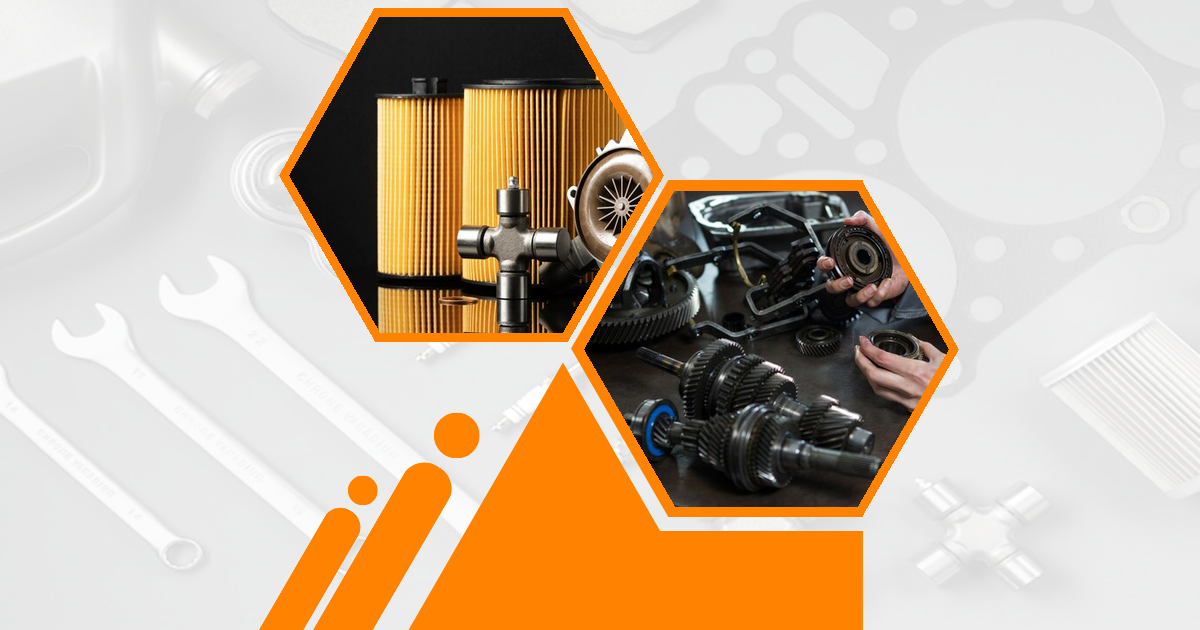
Shafts in cars and vehicles are crucial components that facilitate power transmission from the engine to the wheels. These components ensure that vehicles operate smoothly and efficiently, making them indispensable in the automotive industry. Understanding the different types of shafts and their applications can help vehicle owners maintain their cars better and make informed decisions when replacements are necessary.
Drive Shafts in Vehicles
What is a Drive Shaft?
A drive shaft is a mechanical component used to transmit torque and rotation. It connects the engine to the wheels, allowing the vehicle to move. Drive shafts are essential in both front-wheel and rear-wheel drive vehicles, ensuring that power is effectively transferred from the engine to the wheels.
Functions of Drive Shafts
Drive shafts serve several critical functions in vehicles. They transmit torque from the engine to the wheels, enabling movement. Additionally, they accommodate changes in the angle between the transmission and the wheels, ensuring smooth operation even on uneven terrain.
Types of Drive Shafts in Cars
There are various types of drive shafts used in cars, each designed for specific applications. Common types include solid shafts, hollow shafts, and flexible shafts. Each type has its advantages, such as weight reduction or increased flexibility, catering to different vehicle needs.
- Solid Shafts: Known for their durability and strength.
- Hollow Shafts: Offer weight reduction without compromising strength.
- Flexible Shafts: Provide enhanced flexibility for complex vehicle designs.
Components of Automotive Drive Shafts
Tripod Joint and Inner Joint Housing
The tripod joint and inner joint housing are vital components of a drive shaft. They allow for the necessary movement and flexibility, accommodating changes in the angle between the transmission and the wheels. This flexibility is crucial for maintaining smooth vehicle operation.
CV Joint and Shaft
The CV (Constant Velocity) joint and shaft are designed to transmit power at a constant rotational speed without significant increases in friction. This ensures that the vehicle operates smoothly, even when the wheels are turned or the suspension moves.
Boot Drive Shaft and Seals
Boot drive shafts and seals protect the drive shaft components from dirt and debris. They ensure that the joints remain lubricated and free from contaminants, prolonging the life of the drive shaft.
- Tripod Joint: Allows for angular movement.
- CV Joint: Ensures constant rotational speed.
- Boot and Seals: Protects against dirt and debris.
How Do Drive Shafts Work in Cars?
Power Transmission from Engine to Wheels
Drive shafts play a crucial role in transmitting power from the engine to the wheels. They convert the engine’s rotational force into motion, allowing the vehicle to move forward or backward. This process is essential for the vehicle’s operation.
Enhancing Wheel Flexibility and Vehicle Motion
Drive shafts enhance wheel flexibility, allowing for smooth vehicle motion. They accommodate changes in the angle between the transmission and the wheels, ensuring that the vehicle can navigate uneven terrain without difficulty.
ABS Reluctor Mounting Location
The ABS (Anti-lock Braking System) reluctor is often mounted on the drive shaft. This location allows the ABS to monitor wheel speed accurately, ensuring effective braking performance and vehicle safety.
- Power Transmission: Converts engine force into motion.
- Wheel Flexibility: Allows for smooth navigation.
- ABS Reluctor: Monitors wheel speed for safety.
Common Symptoms of a Damaged Drive Shaft
Unusual Noises and Vibrations
One of the most common symptoms of a damaged drive shaft is unusual noises and vibrations. These can occur when the drive shaft is worn or damaged, affecting the vehicle’s performance and comfort.
Difficulty in Turning
A damaged drive shaft can make it difficult to turn the vehicle. This issue arises when the drive shaft’s components are worn or damaged, affecting the vehicle’s steering capabilities.
Shuddering During Acceleration
Shuddering during acceleration is another symptom of a damaged drive shaft. This occurs when the drive shaft cannot transmit power smoothly, leading to a jerky or shuddering motion.
- Noises and Vibrations: Indicate wear or damage.
- Difficulty Turning: Affects steering capabilities.
- Shuddering: Results from power transmission issues.
Drive Shaft Maintenance and Replacement
Regular Inspection and Lubrication
Regular inspection and lubrication are essential for maintaining drive shafts. These practices help identify potential issues early and ensure that the drive shaft components remain in good condition.
When to Replace a Drive Shaft
Knowing when to replace a drive shaft is crucial for vehicle maintenance. Signs such as excessive noise, vibration, or difficulty in turning indicate that a replacement may be necessary to ensure safe and efficient vehicle operation.
Choosing the Right Drive Shaft for Your Vehicle
Choosing the right drive shaft for your vehicle involves considering factors such as the vehicle’s make, model, and driving conditions. Consulting with experts or referring to trusted sources like AM Autoparts can help make an informed decision.
- Inspection and Lubrication: Prevents wear and damage.
- Replacement Indicators: Noise, vibration, and steering issues.
- Choosing the Right Shaft: Consider vehicle specifications.
Advancements in Drive Shaft Technology
Carbon Fiber Drive Shafts
Carbon fiber drive shafts are a recent advancement in drive shaft technology. They offer significant weight reduction and increased strength, improving vehicle performance and fuel efficiency.
Electromagnetic Drive Shafts
Electromagnetic drive shafts represent another technological advancement. They use electromagnetic fields to transmit power, reducing mechanical wear and improving efficiency.
Future Innovations in Vehicle Shafts
Future innovations in vehicle shafts may include further advancements in materials and design. These innovations aim to improve performance, efficiency, and durability, meeting the evolving needs of the automotive industry.
- Carbon Fiber: Lightweight and strong.
- Electromagnetic: Reduces wear and improves efficiency.
- Future Innovations: Focus on performance and durability.
Drive Shafts in Different Vehicle Types
Motorcycle Drive Shafts
Motorcycle drive shafts are designed to transmit power from the engine to the rear wheel. They offer a reliable and low-maintenance alternative to chain drives, providing smooth and efficient power transmission.
Marine Drive Shafts
Marine drive shafts are used in boats to transmit power from the engine to the propeller. They are designed to withstand harsh marine environments, ensuring reliable performance and durability.
Locomotive Drive Shafts
Locomotive drive shafts are used in trains to transmit power from the engine to the wheels. They are designed to handle high torque and provide reliable power transmission for heavy loads.
- Motorcycle Shafts: Reliable and low-maintenance.
- Marine Shafts: Durable for harsh environments.
- Locomotive Shafts: Handle high torque for heavy loads.
What are the signs of a failing drive shaft?
Signs of a failing drive shaft include unusual noises, vibrations, and difficulty in turning. These symptoms indicate that the drive shaft may be worn or damaged, affecting vehicle performance.
How much does it cost to replace a drive shaft?
The cost to replace a drive shaft can vary depending on the vehicle’s make and model. On average, replacement costs range from $300 to $800, including parts and labor.
Can a bad drive shaft affect transmission?
A bad drive shaft can affect the transmission by causing vibrations and noise. It can also lead to further damage if not addressed promptly, impacting the vehicle’s overall performance.
Drive Shaft Production and Manufacturing
Materials Used in Drive Shaft Production
Drive shafts are typically made from materials such as steel, aluminum, and carbon fiber. These materials offer a balance of strength, weight, and durability, ensuring reliable performance.
Quality Control in Drive Shaft Manufacturing
Quality control is essential in drive shaft manufacturing to ensure that each component meets industry standards. This process involves rigorous testing and inspection to identify any defects or inconsistencies.
FAQs
Are all drive shafts the same in vehicles?
Not all drive shafts are the same in vehicles. They vary in design, materials, and specifications based on the vehicle’s make, model, and intended use. It’s essential to choose the right drive shaft for your specific vehicle.
What causes drive shaft failure in cars?
Drive shaft failure in cars can be caused by wear and tear, lack of maintenance, or damage from road debris. Regular inspection and maintenance can help prevent failure and ensure reliable performance.
How often should drive shafts be serviced?
Drive shafts should be serviced regularly, typically during routine vehicle maintenance. Regular inspection and lubrication can help identify potential issues early and extend the drive shaft’s lifespan.
What is the purpose of a drive shaft in a car?
The purpose of a drive shaft in a car is to transmit torque from the engine to the wheels, enabling the vehicle to move. It plays a crucial role in the vehicle’s power transmission system, ensuring smooth and efficient operation.
How long do drive shafts last in vehicles?
Drive shafts can last for many years, often exceeding 100,000 miles, depending on driving conditions and maintenance. Regular inspection and maintenance can extend their lifespan, ensuring reliable vehicle performance.
Can you drive a car with a broken drive shaft?
Driving a car with a broken drive shaft is not recommended, as it can lead to further damage and compromise safety. A broken drive shaft can affect the vehicle’s ability to transmit power, making it unsafe to drive.