
The Ultimate Guide to Bulk Tyre Procurement for Businesses
In the fast-paced world of the Gulf Cooperation Council (GCC) business landscape, efficiency and cost-effectiveness are paramount. One strategy that has proven to be a game-changer for many businesses is bulk tyre procurement. This comprehensive guide will explore how bulk tyre purchasing can save GCC businesses both time and money, while also enhancing operational efficiency.
What is Bulk Tyre Procurement?
Bulk tyre procurement refers to the practice of purchasing tyres in large quantities, often at discounted rates. This approach is particularly beneficial for businesses that require a steady supply of tyres, such as dealerships, fitters, and fleet operators. By buying in bulk, businesses can secure better pricing and ensure a consistent supply of tyres.
- Large Quantity Purchases: Buying tyres in bulk means acquiring a significant number of units in a single transaction.
- Discounted Rates: Bulk purchases often come with reduced prices, providing cost savings.
- Consistent Supply: Ensures that businesses have a steady inventory of tyres to meet demand.
Benefits of Bulk Tyre Purchasing for Dealerships and Fitters
Cost Savings and Competitive Pricing
One of the most significant advantages of bulk tyre procurement is the potential for cost savings. By purchasing tyres in large quantities, businesses can negotiate better prices with suppliers, leading to reduced costs per unit. This allows dealerships and fitters to offer competitive pricing to their customers, enhancing their market position.
- Negotiated Discounts: Bulk purchases often come with volume-based discounts.
- Lower Cost Per Unit: Reduced prices per tyre increase profit margins.
- Competitive Edge: Ability to offer lower prices to customers.
Improved Inventory Management
Bulk tyre procurement also aids in better inventory management. By maintaining a larger stock of tyres, businesses can reduce the risk of stockouts and ensure they have the right tyres available when needed. This leads to improved customer satisfaction and operational efficiency.
- Reduced Stockouts: Ensures availability of tyres when needed.
- Efficient Stock Levels: Helps maintain optimal inventory levels.
- Customer Satisfaction: Availability of tyres enhances service quality.
Enhanced Supply Chain Efficiency
Purchasing tyres in bulk streamlines the supply chain process. With fewer orders to manage, businesses can reduce administrative tasks and focus on other critical areas. This efficiency translates into time savings and improved overall operations.
- Streamlined Orders: Fewer orders mean less administrative work.
- Time Savings: Reduces time spent on procurement processes.
- Operational Focus: Allows focus on other business areas.
How to Assess Your Bulk Tyre Needs Accurately
Analyzing Historical Sales Data
To determine the right quantity of tyres to purchase, businesses should analyze historical sales data. This data provides insights into past demand patterns, helping businesses make informed decisions about future purchases.
- Demand Patterns: Historical data reveals trends in tyre demand.
- Informed Decisions: Data-driven insights guide purchasing decisions.
- Accurate Forecasting: Helps predict future tyre needs.
Forecasting Future Demand
Accurate demand forecasting is crucial for successful bulk tyre procurement. By considering factors such as market trends and customer preferences, businesses can anticipate future demand and adjust their purchasing strategies accordingly.
- Market Trends: Understanding trends helps predict future demand.
- Customer Preferences: Insights into preferences guide procurement.
- Strategic Planning: Aligns purchasing with anticipated demand.
Considering Seasonal Fluctuations
Seasonal fluctuations can significantly impact tyre demand. Businesses should account for these variations when planning bulk purchases to ensure they have the right tyres available during peak seasons.
- Peak Seasons: Identifying high-demand periods aids planning.
- Stock Adjustments: Adjust inventory levels based on seasonality.
- Demand Variability: Prepares for changes in tyre demand.
Choosing the Right Bulk Tyre Supplier
Evaluating Supplier Reliability and Quality
Selecting a reliable supplier is crucial for successful bulk tyre procurement. Businesses should assess suppliers based on their track record, product quality, and ability to meet delivery timelines.
- Track Record: Evaluate supplier’s history and reputation.
- Product Quality: Ensure tyres meet quality standards.
- Timely Deliveries: Reliable suppliers meet delivery schedules.
Comparing Product Range and Availability
A diverse product range and availability are essential when choosing a bulk tyre supplier. Businesses should select suppliers that offer a wide variety of tyres to meet different customer needs.
- Diverse Range: Wide selection of tyres for various needs.
- Availability: Consistent stock levels ensure supply.
- Customer Needs: Meets diverse customer requirements.
Assessing Customer Service and Support
Excellent customer service and support are vital when dealing with bulk tyre suppliers. Businesses should prioritize suppliers that offer responsive support and are willing to address any issues promptly.
- Responsive Support: Quick resolution of issues and queries.
- Customer Focus: Suppliers prioritize customer satisfaction.
- Problem Resolution: Efficient handling of any problems.
Negotiating the Best Deals for Bulk Tyre Orders
Volume-Based Discounts
Negotiating volume-based discounts is a key strategy in bulk tyre procurement. By committing to larger orders, businesses can secure significant price reductions, enhancing their profitability.
- Price Reductions: Larger orders lead to better discounts.
- Increased Profitability: Lower costs improve profit margins.
- Supplier Incentives: Suppliers offer discounts for bulk orders.
Long-Term Purchasing Agreements
Establishing long-term purchasing agreements with suppliers can lead to additional benefits. These agreements often include fixed pricing, priority access to stock, and other incentives.
- Fixed Pricing: Long-term agreements lock in prices.
- Priority Access: Ensures availability of tyres.
- Additional Incentives: Suppliers offer extra benefits.
Flexible Payment Terms
Negotiating flexible payment terms can improve cash flow management for businesses. By spreading payments over time, businesses can better manage their finances and invest in other areas.
- Cash Flow Management: Flexible terms ease financial strain.
- Investment Opportunities: Frees up capital for other uses.
- Financial Flexibility: Allows better financial planning.
Streamlining Your Bulk Tyre Inventory Management
Implementing Just-in-Time Inventory Practices
Just-in-time (JIT) inventory practices can optimize bulk tyre management. By aligning tyre orders with actual demand, businesses can reduce excess inventory and minimize storage costs.
- Demand Alignment: Orders match actual tyre demand.
- Reduced Inventory: Minimizes excess stock levels.
- Cost Savings: Lowers storage and holding costs.
Utilizing Inventory Management Software
Inventory management software can enhance the efficiency of bulk tyre procurement. These tools provide real-time insights into stock levels, helping businesses make informed purchasing decisions.
- Real-Time Insights: Software provides up-to-date stock data.
- Informed Decisions: Data-driven purchasing strategies.
- Efficiency Gains: Streamlines inventory management processes.
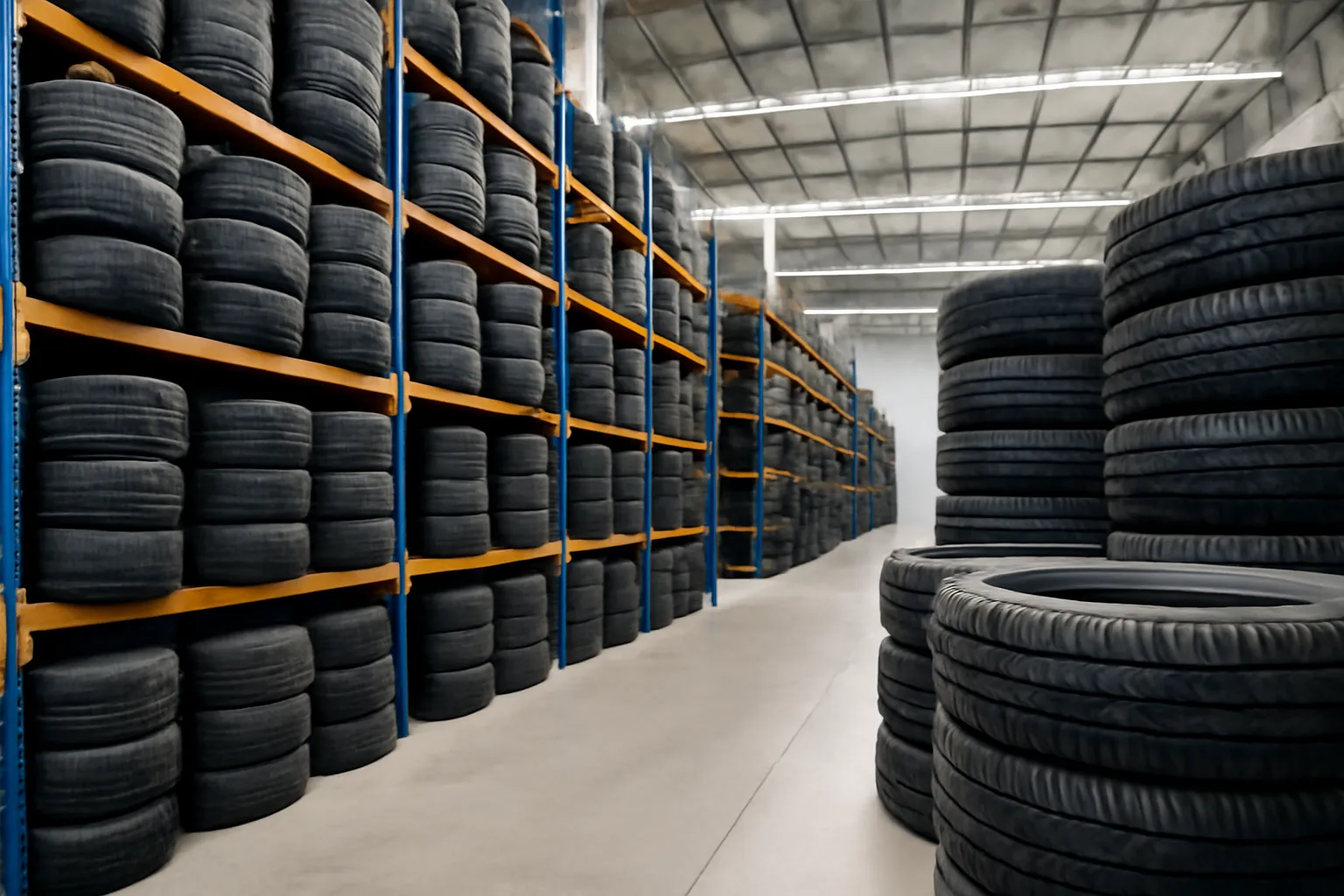
Optimizing Warehouse Space for Bulk Tyre Storage
Efficient use of warehouse space is crucial for storing bulk tyres. Businesses should implement strategies to maximize storage capacity and ensure easy access to tyres.
- Maximized Capacity: Efficient use of available space.
- Easy Access: Ensures quick retrieval of tyres.
- Storage Solutions: Implements effective storage strategies.
Maximizing Profitability Through Bulk Tyre Purchasing
Increasing Profit Margins on Tyre Sales
Bulk tyre procurement allows businesses to increase profit margins by reducing the cost per tyre. This enables businesses to offer competitive pricing while maintaining healthy margins.
- Reduced Costs: Lower purchase prices increase margins.
- Competitive Pricing: Ability to offer attractive prices.
- Healthy Margins: Maintains profitability on sales.
Offering Competitive Pricing to Customers
By purchasing tyres in bulk, businesses can offer competitive pricing to their customers. This enhances customer satisfaction and loyalty, leading to increased sales and market share.
- Attractive Prices: Competitive pricing attracts customers.
- Customer Loyalty: Satisfied customers return for repeat purchases.
- Market Share Growth: Increases business presence in the market.
Reducing Operational Costs
Bulk tyre procurement streamlines operations, reducing administrative and logistical costs. This efficiency translates into overall cost savings for the business.
- Streamlined Operations: Reduces administrative workload.
- Logistical Efficiency: Simplifies supply chain processes.
- Cost Savings: Lowers overall operational expenses.
Sustainable Practices in Bulk Tyre Procurement
Eco-Friendly Tyre Options
Sustainability is becoming increasingly important in bulk tyre procurement. Businesses should consider eco-friendly tyre options that reduce environmental impact and align with corporate social responsibility goals.
- Environmental Impact: Eco-friendly tyres reduce carbon footprint.
- Corporate Responsibility: Aligns with sustainability goals.
- Green Options: Offers environmentally conscious choices.
Recycling and Disposal Programs
Implementing recycling and disposal programs is essential for sustainable tyre procurement. These programs ensure that used tyres are disposed of responsibly, minimizing environmental harm.
- Responsible Disposal: Ensures tyres are recycled properly.
- Environmental Protection: Reduces waste and pollution.
- Sustainability Initiatives: Supports green business practices.
Reducing Carbon Footprint in Tyre Transportation
Reducing the carbon footprint of tyre transportation is another aspect of sustainable procurement. Businesses can achieve this by optimizing logistics and choosing suppliers with eco-friendly practices.
- Logistics Optimization: Efficient transportation reduces emissions.
- Eco-Friendly Suppliers: Partners with environmentally conscious suppliers.
- Sustainable Transport: Minimizes environmental impact.
Leveraging Technology in Bulk Tyre Procurement
Online Ordering Systems for Bulk Purchases
Technology plays a crucial role in modern bulk tyre procurement. Online ordering systems streamline the purchasing process, making it easier for businesses to place and manage orders.
- Streamlined Process: Simplifies ordering and management.
- Ease of Use: User-friendly systems enhance efficiency.
- Order Management: Facilitates tracking and adjustments.
Real-Time Inventory Tracking
Real-time inventory tracking is essential for effective bulk tyre management. This technology provides businesses with up-to-date information on stock levels, enabling better decision-making.
- Up-to-Date Information: Real-time data on inventory levels.
- Informed Decisions: Accurate stock insights guide purchasing.
- Efficiency Improvements: Enhances inventory management.
Data Analytics for Procurement Optimization
Data analytics can optimize bulk tyre procurement by providing insights into purchasing patterns and trends. This information helps businesses make strategic decisions and improve procurement efficiency.
- Purchasing Insights: Analyzes trends and patterns.
- Strategic Decisions: Data-driven procurement strategies.
- Efficiency Gains: Optimizes purchasing processes.
Bulk Tyre Procurement for Different Vehicle Types
Passenger Vehicle Tyres
Bulk tyre procurement is beneficial for passenger vehicle tyres, providing cost savings and ensuring a steady supply for dealerships and fitters.
- Cost Savings: Bulk purchases reduce tyre costs.
- Steady Supply: Ensures availability for passenger vehicles.
- Customer Satisfaction: Meets demand for passenger tyres.
Commercial and Fleet Tyres
For commercial and fleet vehicles, bulk tyre procurement ensures that businesses have the necessary tyres to keep their operations running smoothly.
- Operational Continuity: Ensures tyre availability for fleets.
- Cost Efficiency: Reduces costs for commercial tyres.
- Fleet Management: Supports efficient fleet operations.
Off-Road and Specialty Tyres
Bulk procurement is also advantageous for off-road and specialty tyres, providing businesses with the necessary stock to meet unique customer needs.
- Specialty Needs: Meets demand for unique tyre types.
- Stock Availability: Ensures supply of specialty tyres.
- Customer Satisfaction: Addresses specific customer requirements.
Overcoming Challenges in Bulk Tyre Procurement
Managing Cash Flow and Storage Constraints
Managing cash flow and storage constraints is a common challenge in bulk tyre procurement. Businesses must balance the benefits of bulk purchasing with the need for efficient cash flow and storage solutions.
- Cash Flow Balance: Ensures financial stability.
- Storage Solutions: Efficient use of warehouse space.
- Procurement Strategy: Balances purchasing and storage needs.
Adapting to Market Fluctuations
Market fluctuations can impact tyre demand and pricing. Businesses must remain flexible and adapt their procurement strategies to changing market conditions.
- Market Adaptability: Adjusts strategies based on market changes.
- Pricing Flexibility: Responds to price fluctuations.
- Demand Variability: Prepares for changes in demand.
Ensuring Consistent Quality Control
Maintaining consistent quality control is essential in bulk tyre procurement. Businesses should implement rigorous quality checks to ensure that all tyres meet required standards.
- Quality Assurance: Ensures tyres meet quality standards.
- Rigorous Checks: Implements thorough quality control processes.
- Supplier Standards: Partners with reliable suppliers.
FAQs About Bulk Tyre Procurement
What is the minimum order quantity for bulk tyre procurement?
The minimum order quantity for bulk tyre procurement varies by supplier. Some suppliers may require a minimum of 100 tyres, while others may have different requirements. It’s essential to check with individual suppliers for their specific terms.
How can bulk tyre procurement improve my business’s efficiency?
Bulk tyre procurement improves efficiency by streamlining the purchasing process and reducing administrative tasks. It also ensures a consistent supply of tyres, minimizing stockouts and enhancing customer satisfaction.
Are there any risks associated with bulk tyre procurement?
While bulk tyre procurement offers many benefits, there are risks such as overstocking and cash flow constraints. Businesses must carefully plan their purchases and manage inventory to mitigate these risks.
Can bulk tyre procurement help me offer better prices to my customers?
Yes, bulk tyre procurement can help businesses offer better prices to customers by reducing the cost per tyre. This allows businesses to pass on savings to customers, enhancing competitiveness.
How often should I place bulk tyre orders?
The frequency of bulk tyre orders depends on factors such as demand, storage capacity, and cash flow. Businesses should analyze these factors to determine the optimal ordering schedule.
What factors should be considered when choosing a bulk tyre supplier?
When choosing a bulk tyre supplier, businesses should consider factors such as supplier reliability, product quality, and customer service. Evaluating these aspects ensures a successful procurement process and a reliable supply of tyres.
How can bulk tyre procurement reduce costs for businesses?
Bulk tyre procurement reduces costs by securing lower prices per unit through volume-based discounts. It also streamlines inventory management and supply chain processes, leading to operational efficiencies and cost savings.
What are the advantages of bulk tyre procurement?
Bulk tyre procurement offers several advantages, including cost savings, improved inventory management, and enhanced supply chain efficiency. By purchasing tyres in large quantities, businesses can secure better pricing and ensure a consistent supply, leading to increased profitability and customer satisfaction.
Statistics on Bulk Tyre Procurement
- Global Tyre Market Size: The global tyre market was valued at $167.6 billion in 2022, highlighting the significant demand for tyres worldwide.
- Annual Tyre Production: Over 2.2 billion tyres are produced annually, indicating the scale of the tyre industry.
- Tyre Recycling Rate: In the EU, the tyre recycling rate is 76%, reflecting the industry’s commitment to sustainability.
By understanding and implementing effective bulk tyre procurement strategies, GCC businesses can achieve significant cost savings, improve operational efficiency, and enhance customer satisfaction. This guide provides the insights needed to navigate the complexities of bulk tyre purchasing and maximize its benefits.