
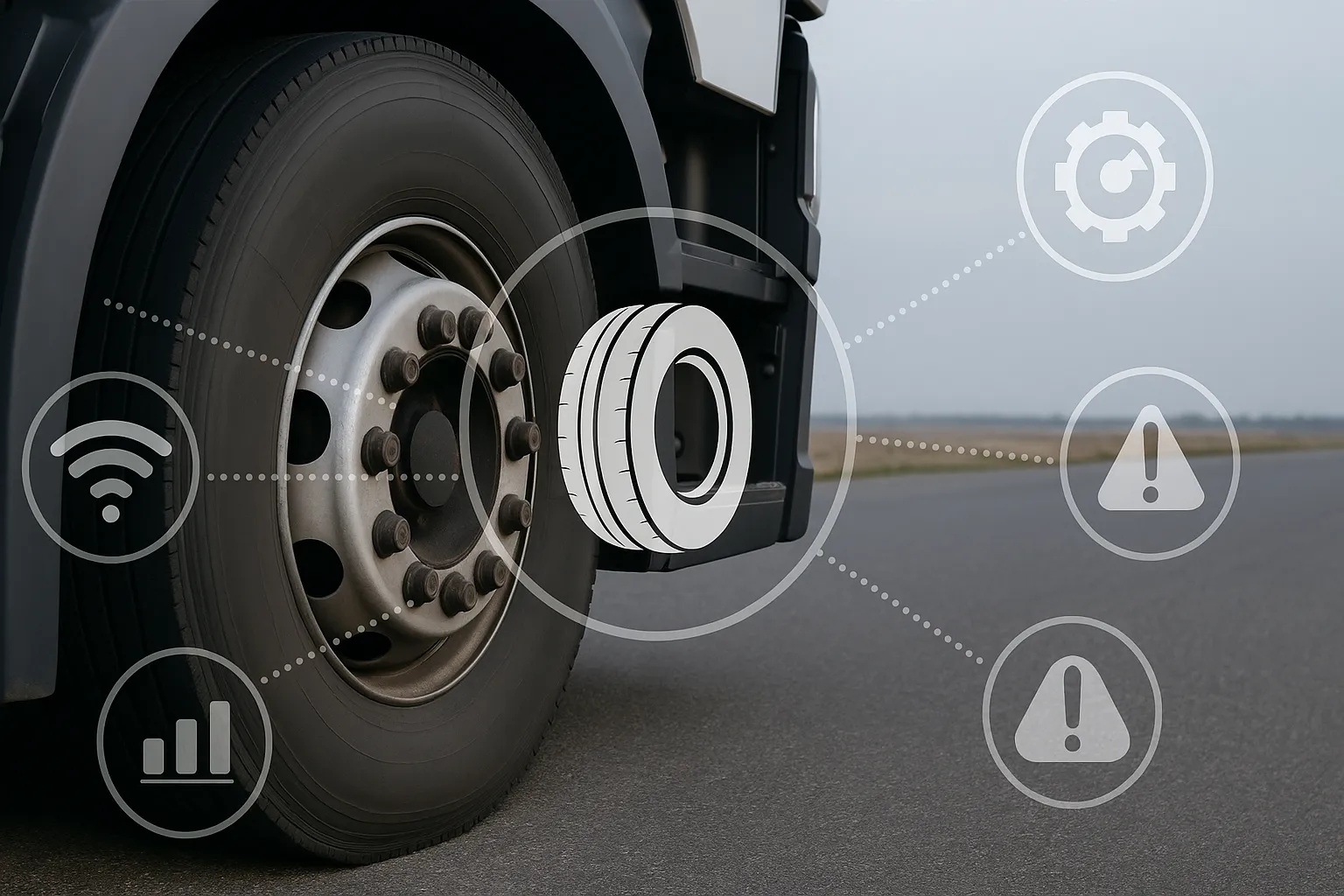
In the fast-paced world of logistics, especially on the UAE-Ethiopia trucking routes, maintaining the health of your fleet’s tyres is crucial. Telematics and predictive maintenance are transforming how fleet managers approach tyre management, offering innovative solutions to extend tyre life and improve overall fleet efficiency.
What is Telematics and Predictive Maintenance for Tyres?
Telematics refers to the integration of telecommunications and informatics, enabling the collection and analysis of data from vehicles. Predictive maintenance uses this data to anticipate and prevent tyre issues before they occur.
The Role of IoT in Tyre Management
The Internet of Things (IoT) plays a pivotal role in tyre management by connecting sensors and devices to monitor tyre conditions in real-time. This connectivity allows for continuous data collection, providing insights into tyre pressure, temperature, and wear.
How Telematics Enhances Tyre Performance Monitoring
Telematics systems enhance tyre performance monitoring by providing real-time data on tyre conditions. This data helps fleet managers make informed decisions, reducing the risk of tyre failures and improving safety on the road.
- Real-time data collection on tyre conditions
- Improved decision-making for tyre maintenance
- Enhanced safety and reduced risk of tyre failures
Benefits of Implementing Predictive Tyre Maintenance
Predictive tyre maintenance offers numerous benefits, from reducing unexpected breakdowns to improving fuel efficiency and extending tyre life.
Reducing Unexpected Breakdowns and Repairs
By predicting potential tyre issues, predictive maintenance reduces the likelihood of unexpected breakdowns. This proactive approach minimizes downtime and repair costs, ensuring that trucks remain on schedule.
Improving Fuel Efficiency and Vehicle Safety
Properly maintained tyres contribute to better fuel efficiency and vehicle safety. Predictive maintenance ensures that tyres are always in optimal condition, reducing fuel consumption and enhancing road safety.
Extending Tyre Life and Optimizing Replacement Schedules
Predictive maintenance extends tyre life by identifying wear patterns and optimizing replacement schedules. This approach maximizes the lifespan of each tyre, reducing overall fleet maintenance costs.
- Minimized downtime and repair costs
- Enhanced fuel efficiency and safety
- Optimized tyre replacement schedules
Key Components of a Predictive Tyre Maintenance System
A comprehensive predictive tyre maintenance system comprises advanced sensors, AI-powered analytics, and real-time monitoring capabilities.
Advanced Sensors and Data Collection Devices
Advanced sensors are crucial for collecting accurate data on tyre conditions. These devices monitor pressure, temperature, and tread depth, providing essential information for predictive maintenance.
AI-Powered Analytics for Tyre Health Prediction
AI-powered analytics process the data collected by sensors to predict tyre health. These insights enable fleet managers to address potential issues before they escalate, ensuring optimal tyre performance.
Real-Time Monitoring and Alert Systems
Real-time monitoring and alert systems notify fleet managers of any anomalies in tyre conditions. This immediate feedback allows for quick interventions, preventing costly tyre failures.
- Accurate data collection on tyre conditions
- Predictive insights for proactive maintenance
- Immediate alerts for quick interventions
Integrating Telematics with Fleet Management Solutions
Integrating telematics with existing fleet management solutions provides comprehensive insights and enhances decision-making capabilities.
Seamless Data Integration for Comprehensive Insights
Seamless data integration ensures that all relevant information is available in one place. This comprehensive view allows fleet managers to make informed decisions about tyre maintenance and overall fleet operations.
Customized Reporting and Dashboard Visualization
Customized reporting and dashboard visualization provide fleet managers with easy-to-understand insights. These tools help track key performance indicators and assess the effectiveness of predictive maintenance strategies.
- Comprehensive data integration for informed decisions
- Customized reports for easy insights
- Dashboard visualization for tracking performance
Challenges in Implementing Telematics & Predictive Maintenance
Implementing telematics and predictive maintenance comes with challenges, including data privacy concerns, integration issues, and staff training.
Overcoming Data Privacy and Security Concerns
Data privacy and security are major concerns when implementing telematics systems. Ensuring that data is protected and used responsibly is crucial for gaining trust and compliance.
Addressing Integration Issues with Existing Systems
Integrating new telematics systems with existing fleet management solutions can be challenging. Ensuring compatibility and seamless operation is essential for successful implementation.
Training Staff to Utilize Predictive Maintenance Tools
Training staff to effectively use predictive maintenance tools is vital for maximizing their benefits. Proper training ensures that all team members can leverage the technology to improve tyre management.
- Ensuring data privacy and security
- Overcoming integration challenges
- Providing comprehensive staff training
Future Trends in Telematics & Predictive Maintenance for Tyres
The Rise of 5G and Enhanced Connectivity
The rise of 5G technology promises enhanced connectivity and faster data transmission, improving the effectiveness of telematics systems. This advancement will enable more accurate and timely predictive maintenance.
Artificial Intelligence and Machine Learning Advancements
Advancements in artificial intelligence and machine learning will further enhance predictive maintenance capabilities. These technologies will provide deeper insights into tyre health and enable more precise maintenance strategies.
- Enhanced connectivity with 5G technology
- Improved predictive capabilities with AI and machine learning
- Deeper insights into tyre health
Implementing a Telematics & Predictive Maintenance Program
Assessing Your Fleet’s Needs and Goals
Before implementing a telematics and predictive maintenance program, it’s essential to assess your fleet’s specific needs and goals. This assessment will guide the selection of appropriate technologies and strategies.
Choosing the Right Technology Partner
Selecting the right technology partner is crucial for successful implementation. A reliable partner will provide the necessary tools and support to ensure the program’s success.
Steps for Successful Implementation and Adoption
Successful implementation requires careful planning and execution. Key steps include setting clear objectives, training staff, and continuously monitoring and adjusting the program as needed.
- Assessing fleet needs and goals
- Selecting a reliable technology partner
- Planning and executing successful implementation
Measuring the Success of Your Predictive Tyre Maintenance Program
Key Performance Indicators (KPIs) to Track
Tracking key performance indicators (KPIs) is essential for measuring the success of your predictive tyre maintenance program. Important KPIs include tyre lifespan, maintenance costs, and downtime reduction.
Continuous Improvement Strategies
Continuous improvement strategies ensure that your predictive maintenance program remains effective. Regularly reviewing and adjusting the program based on performance data will lead to ongoing improvements.
- Tracking KPIs for program success
- Implementing continuous improvement strategies
- Regularly reviewing and adjusting the program
By embracing telematics and predictive maintenance, fleet managers can revolutionize tyre management, ensuring longer tyre life, reduced costs, and enhanced fleet performance. As technology continues to advance, the potential for further improvements in tyre management is immense, promising a more efficient and sustainable future for the trucking industry.
FAQs
How Does Predictive Maintenance Improve Tyre Life?
Predictive maintenance improves tyre life by identifying potential issues early and optimizing maintenance schedules. This proactive approach reduces wear and tear, extending the lifespan of each tyre.
What Are the Cost Savings Associated with Predictive Tyre Maintenance?
Predictive tyre maintenance offers significant cost savings by reducing unexpected repairs, minimizing downtime, and optimizing tyre replacement schedules. These savings contribute to a more efficient and cost-effective fleet operation.
Can Telematics Help in Reducing Carbon Emissions?
Telematics can help reduce carbon emissions by improving fuel efficiency and optimizing route planning. By ensuring that tyres are in optimal condition, telematics systems contribute to lower fuel consumption and reduced environmental impact.
How Does Predictive Maintenance Compare to Traditional Tyre Management?
Predictive maintenance offers a more proactive and data-driven approach compared to traditional tyre management. By leveraging real-time data and analytics, predictive maintenance reduces the risk of tyre failures and extends tyre life.
What Role Does Driver Behavior Play in Tyre Life Management?
Driver behavior significantly impacts tyre life. Aggressive driving, such as hard braking and rapid acceleration, can accelerate tyre wear. Telematics systems can monitor driver behavior and provide feedback to promote safer and more efficient driving practices.