

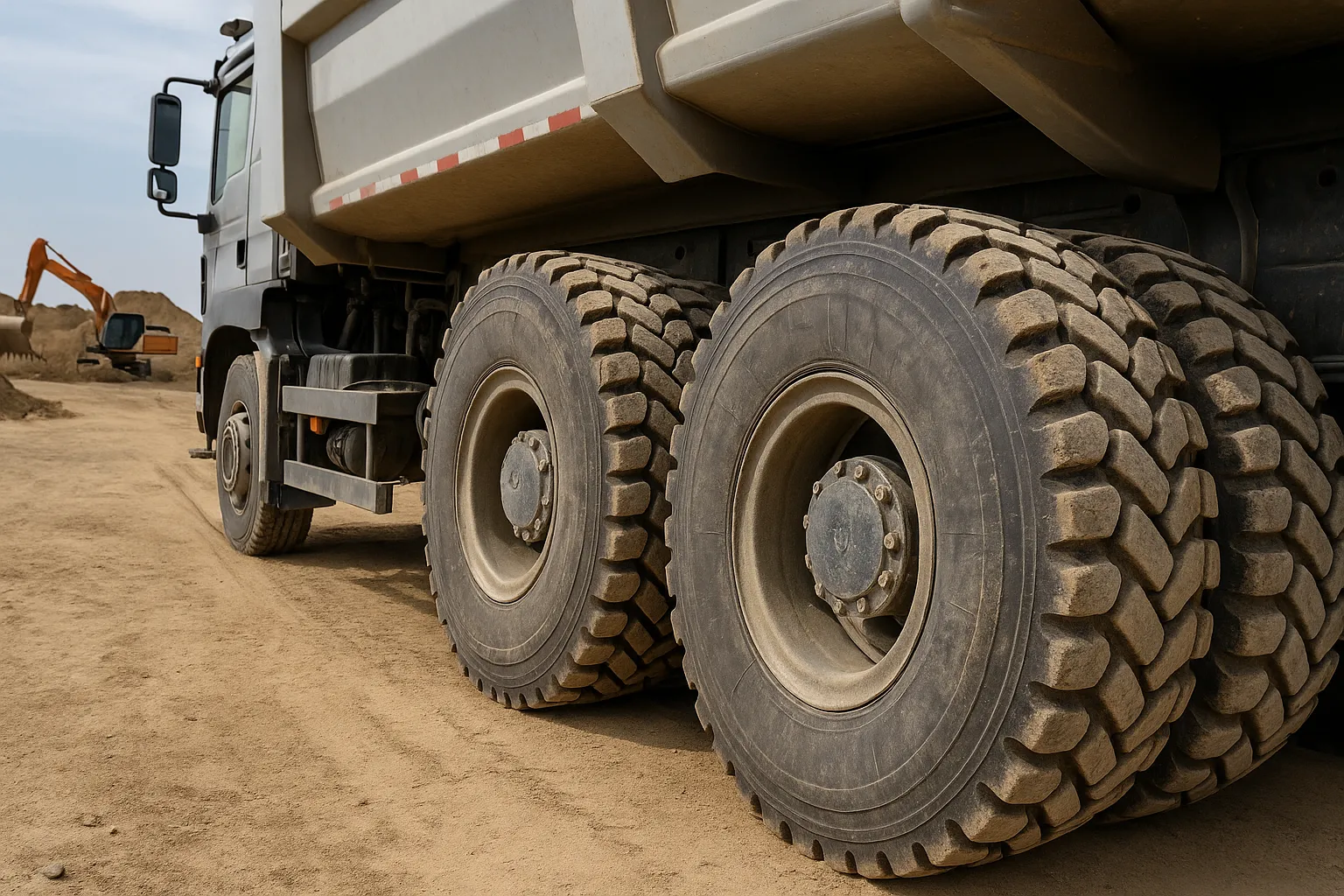
Tyres in GCC: Certification, Regulations, and Standards
The Gulf Cooperation Council (GCC) countries have established stringent regulations and standards for tyres to ensure safety, performance, and sustainability in the region’s unique climate and road conditions. This comprehensive guide explores the certification requirements, performance indicators, and innovative technologies shaping the tyre industry in the GCC.
What are the GCC Certification Requirements for Tyres?
The GCC has implemented specific certification requirements for various types of tyres to ensure they meet the region’s safety and performance standards.
GSO Technical Regulations for Passenger Car Tyres (C1)
Passenger car tyres in the GCC must comply with the Gulf Standardization Organization (GSO) technical regulations. These regulations cover aspects such as tread pattern design, load capacity, and speed ratings suitable for the region’s driving conditions.
AM Autoparts, a leading tyre distributor in the GCC, ensures all their passenger car tyres meet these stringent requirements.
- Key requirements for C1 tyres:
- Minimum tread depth of 1.6mm
- Heat resistance up to 50°C
- Wet grip performance rating of at least “C”
- Rolling resistance coefficient not exceeding 10.5 kg/t
Certification Process for Truck and Bus Tyres (C2 and C3)
Truck and bus tyres (C2 and C3 categories) undergo a rigorous certification process to ensure they can withstand the heavy loads and long distances typical in GCC commercial transportation.
The certification process involves:
- Submission of technical documentation
- Laboratory testing for performance and durability
- On-road testing in GCC conditions
- Final approval and issuance of GSO certification
Motorcycle and Moped Tyre Certification in GCC
Motorcycle and moped tyres have specific certification requirements tailored to the unique needs of two-wheeled vehicles in the Gulf region. These requirements focus on stability, grip, and heat resistance.
| Tyre Type | Minimum Tread Depth | Heat Resistance | Wet Grip Rating |
| Passenger Car (C1) | 1.6mm | Up to 50°C | “C” or better |
| Truck/Bus (C2/C3) | 1.8mm | Up to 55°C | “B” or better |
| Motorcycle | 1.5mm | Up to 45°C | “D” or better |
How do GCC Tyre Regulations Compare to Global Standards?
GCC tyre regulations are designed to meet the specific needs of the region while aligning with international standards to ensure global compatibility.
ECE vs GCC Tyre Regulations
While GCC regulations share many similarities with European ECE standards, they have additional requirements to address the unique climate and road conditions in the Gulf region.
Key differences include:
- Higher heat resistance requirements in GCC standards
- More stringent sand and dust protection measures
- Additional testing for prolonged high-speed performance
ISO Standards Adopted by GCC for Tyre Testing
The GCC has adopted several ISO standards for tyre testing to ensure consistency and reliability in performance evaluation. These standards cover various aspects of tyre performance and safety.
Some key ISO standards used in GCC tyre testing include:
- ISO 10191: Passenger car tyres – Verifying tyre capabilities
- ISO 28580: Rolling resistance measurement methods
- ISO 23671: Wet grip testing methods
Harmonization of GCC Tyre Standards with International Norms
The GCC is actively working towards harmonizing its tyre standards with international norms to facilitate global trade and ensure access to the latest tyre technologies.
Efforts in this direction include:
- Regular consultations with international tyre manufacturers
- Participation in global tyre standardization forums
- Continuous updating of GCC standards to reflect technological advancements
What are the Key Performance Indicators for Tyres in GCC?
Tyres in the GCC are evaluated based on several key performance indicators to ensure they meet the region’s demanding requirements.
Treadwear and Durability Testing
Treadwear and durability are crucial factors in the GCC, where high temperatures and abrasive road surfaces can accelerate tyre wear. Testing procedures include:
- Accelerated wear testing on specialized tracks
- Heat aging simulations
- Impact resistance evaluations
AM Autoparts emphasizes the importance of these tests in selecting tyres for their inventory, ensuring customers receive products that can withstand GCC conditions.
Wet Grip Performance Evaluation
Despite the predominantly dry climate, wet grip performance remains a critical safety factor, especially during occasional rain or in coastal areas.
Wet grip testing involves:
- Braking distance measurements on wet surfaces
- Hydroplaning resistance evaluations
- Cornering stability assessments in wet conditions
Rolling Resistance and Fuel Efficiency Ratings
With a growing focus on sustainability and fuel efficiency, rolling resistance has become an important performance indicator for tyres in the GCC.
- Rolling resistance categories:
- A (most efficient) to G (least efficient)
- GCC regulations require a minimum “C” rating for passenger car tyres
How does the Gulf Cooperation Council Regulate Tyre Safety?
The GCC has established a comprehensive framework to regulate tyre safety across member countries.
GCC Standardization Organization (GSO) Role in Tyre Regulation
The GSO plays a central role in developing and implementing tyre regulations across the GCC. Its responsibilities include:
- Setting technical standards for tyres
- Coordinating with national standards bodies
- Issuing certifications for compliant products
Tyre Safety Inspection and Enforcement in GCC Countries
Each GCC country has its own mechanisms for tyre safety inspection and enforcement, working within the framework set by the GSO.
Common enforcement measures include:
- Regular roadside inspections
- Mandatory annual vehicle safety checks
- Penalties for non-compliant tyres
Consumer Awareness Programs for Tyre Safety in the Gulf Region
The GCC countries have launched various consumer awareness programs to educate drivers about tyre safety and maintenance.
Key initiatives include:
- Social media campaigns on tyre safety
- Collaboration with schools for youth education programs
- Free tyre safety checks during national safety weeks
What are the Sustainability Initiatives for Tyres in GCC?
The GCC is increasingly focusing on sustainability in the tyre industry, promoting eco-friendly practices and technologies.
Eco-friendly Tyre Manufacturing in the Gulf
Several tyre manufacturers in the GCC are adopting eco-friendly production methods to reduce their environmental impact.
Sustainable practices include:
- Use of renewable energy in manufacturing plants
- Water recycling and conservation measures
- Reduction of volatile organic compound (VOC) emissions
Recycling Programs for Used Tyres in GCC Countries
GCC countries have implemented various recycling programs to address the issue of used tyre disposal.
Recycling initiatives include:
- Tyre-derived fuel production for cement kilns
- Rubber crumb production for sports surfaces and playgrounds
- Asphalt rubber for road construction
Green Tyre Technology Adoption in the Region
The GCC is seeing increased adoption of green tyre technologies that offer improved fuel efficiency and reduced environmental impact.
Popular green tyre technologies in the GCC include:
- Silica-based compounds for lower rolling resistance
- Bio-based materials replacing petroleum-derived ingredients
- Noise-reducing tyre designs for urban environments
How do Weather Conditions in GCC Affect Tyre Performance?
The unique weather conditions in the GCC pose specific challenges for tyre performance and longevity.
High Temperature Resistance Requirements for GCC Tyres
Tyres in the GCC must withstand extreme heat, which can cause rapid degradation of rubber compounds and increased risk of blowouts.
Key high-temperature performance features:
- Heat-resistant rubber compounds
- Reinforced internal structures
- Optimized tread patterns for heat dissipation
Sand and Desert Terrain Considerations for Tyre Design
The prevalence of sandy and desert terrains in the GCC requires specialized tyre designs to ensure optimal performance and safety.
Desert-specific tyre features include:
- Reinforced sidewalls for impact resistance
- Self-cleaning tread patterns to prevent sand accumulation
- Cut-and-chip resistant compounds
Humidity Impact on Tyre Longevity in Coastal GCC Areas
Coastal areas in the GCC experience high humidity, which can affect tyre longevity and performance.
Considerations for humid conditions:
- Corrosion-resistant bead wires
- Moisture-resistant rubber compounds
- Enhanced ozone resistance
What are the Latest Innovations in Tyre Technology for GCC Markets?
The GCC tyre market is seeing rapid adoption of innovative technologies to meet the region’s unique requirements.
Run-Flat Tyres Adoption in Gulf Countries
Run-flat tyres are gaining popularity in the GCC, offering enhanced safety and convenience in the event of a puncture.
Benefits of run-flat tyres in GCC conditions:
- Ability to continue driving for up to 80km after a puncture
- Reduced risk of stranding in remote desert areas
- Improved stability during sudden tyre pressure loss
Smart Tyre Technology Integration for GCC Vehicles
Smart tyre technologies are being integrated into vehicles in the GCC to enhance safety and performance monitoring.
Smart tyre features include:
- Real-time tyre pressure monitoring
- Tread wear indicators
- Temperature sensors for early detection of overheating
Noise Reduction Innovations for Urban GCC Environments
As GCC cities grow, there’s an increasing demand for quieter tyres to reduce urban noise pollution.
Noise reduction technologies include:
- Sound-absorbing foam inserts
- Optimized tread patterns for noise cancellation
- Variable pitch sequencing in tread design
How are Tyres in GCC Marked and Labeled?
Proper marking and labeling of tyres in the GCC is crucial for ensuring compliance and informing consumers.
GCC Tyre Nomenclature and Designation System
The GCC follows a specific nomenclature system for tyre designation, providing essential information about the tyre’s characteristics.
Example tyre designation: P215/65R15 95H
- P: Passenger vehicle tyre
- 215: Tyre width in millimeters
- 65: Aspect ratio (height to width percentage)
- R: Radial construction
- 15: Rim diameter in inches
- 95: Load index
- H: Speed rating
Load Index and Speed Rating Requirements for GCC Tyres
GCC regulations specify minimum load index and speed rating requirements based on vehicle type and intended use.
| Vehicle Type | Minimum Load Index | Minimum Speed Rating |
| Passenger Cars | 75 | T (190 km/h) |
| SUVs | 100 | H (210 km/h) |
| Light Trucks | 110 | R (170 km/h) |
Tyre Sidewall Markings Specific to Gulf Standards
Tyres approved for use in the GCC must carry specific markings on the sidewall to indicate compliance with Gulf standards.
Required GCC-specific markings include:
- GSO certification mark
- GCC country of origin code
- Manufacturing date code
- Tyre category (C1, C2, or C3)
What are the Economic Impacts of Tyre Regulations in GCC?
Tyre regulations in the GCC have significant economic implications for the automotive and transportation sectors.
Tyre Import and Export Trends in the Gulf Region
The implementation of unified tyre standards has influenced import and export patterns in the GCC.
Key trends:
- Increased imports of high-quality tyres meeting GCC standards
- Growth in exports of locally manufactured tyres to other regions
- Shift towards premium tyre brands with advanced technologies
Local Tyre Manufacturing Growth in GCC Countries
GCC countries are seeing growth in local tyre manufacturing as companies seek to meet regional demand and comply with standards.
Benefits of local manufacturing:
- Job creation in the automotive sector
- Reduced dependence on imports
- Customization of products for local conditions
Economic Benefits of Standardized Tyre Regulations across GCC
The standardization of tyre regulations across the GCC has brought several economic benefits to the region.
Positive economic impacts include:
- Reduced costs for manufacturers through unified compliance processes
- Increased consumer confidence leading to higher sales
- Improved road safety resulting in lower accident-related economic losses
How do GCC Tyre Regulations Address Off-Road and Specialty Vehicles?
GCC tyre regulations extend beyond standard passenger vehicles to cover off-road and specialty vehicles common in the region.
ATV and UTV Tyre Standards in Gulf Countries
All-Terrain Vehicles (ATVs) and Utility Task Vehicles (UTVs) are popular in the GCC for both recreational and work purposes, requiring specific tyre standards.
ATV and UTV tyre requirements include:
- Enhanced puncture resistance for desert use
- Specialized tread patterns for sand traction
- Reinforced construction for heavy-duty applications
Heavy-Duty and Industrial Tyre Regulations
The GCC has established regulations for heavy-duty and industrial tyres to ensure safety and performance in demanding work environments.
Key aspects of heavy-duty tyre regulations:
- Higher load-carrying capacity requirements
- Improved heat resistance for continuous operation
- Specialized compounds for resistance to cuts and chips
Temporary Use Spare Tyre Requirements in GCC
GCC regulations also address temporary use spare tyres, ensuring they meet safety standards for emergency use.
Temporary spare tyre regulations include:
- Maximum speed limitations (typically 80 km/h)
- Restricted distance of use (usually not exceeding 80 km)
- Clear labeling of usage restrictions on the tyre sidewall
FAQs
What is the GSO certification for tyres?
The GSO certification for tyres is a mandatory approval issued by the Gulf Standardization Organization, ensuring that tyres meet the specific safety and performance standards required for use in GCC countries. This certification covers aspects such as heat resistance, durability, and wet grip performance, which are crucial for the unique climate and road conditions in the Gulf region. Tyres without GSO certification are not permitted for sale or use in GCC member states.
How often should tyres be replaced in GCC countries?
Tyres in GCC countries should typically be replaced every 3-5 years, depending on usage and wear patterns. The extreme heat and harsh road conditions in the Gulf can accelerate tyre degradation, making more frequent replacements necessary compared to cooler climates. Regular inspections are crucial, and tyres should be replaced immediately if they show signs of significant wear, cracking, or damage, regardless of age.
Are winter tyres required in any GCC country?
Winter tyres are not required in any GCC country due to the consistently hot climate throughout the year. Instead, GCC countries focus on tyres designed for high-temperature resistance and performance in dry conditions. Some areas with occasional rainfall may benefit from tyres with good wet grip performance, but specialized winter tyres are unnecessary and may even be detrimental in the Gulf’s hot climate.
What is the importance of proper tyre inflation in GCC climates?
Proper tyre inflation is crucial in GCC climates to prevent blowouts, improve fuel efficiency, and ensure optimal tyre performance. The extreme heat in the Gulf region can cause tyre pressure to increase significantly, making regular pressure checks essential. Correctly inflated tyres also help in maintaining vehicle stability, reducing wear, and improving handling on the region’s diverse road surfaces, from smooth highways to rough desert terrain.
How do GCC tyre regulations impact vehicle imports?
GCC tyre regulations significantly impact vehicle imports by requiring all imported vehicles to be equipped with tyres that meet GSO standards. This requirement ensures that all vehicles on GCC roads have tyres suitable for the region’s climate and driving conditions. Importers must ensure compliance with these regulations, which may involve replacing original equipment tyres with GSO-certified ones before vehicles can be sold or registered in GCC countries. This process adds an additional layer of safety for consumers but may also affect import costs and logistics for vehicle distributors.