

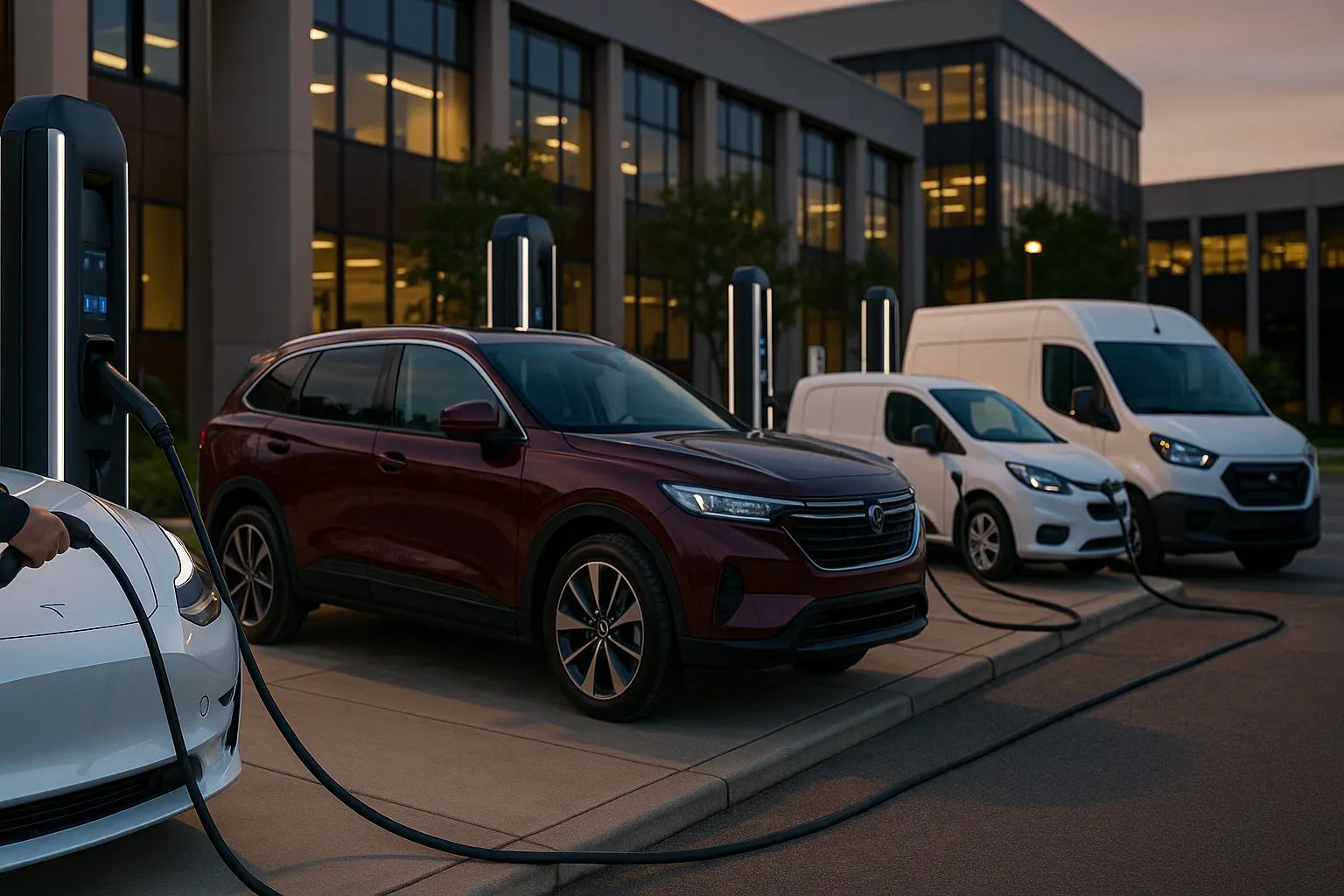
What is the current state of Electric Vehicle Adoption?
The electric vehicle (EV) market has been experiencing significant growth in recent years, with adoption rates accelerating across the globe. As consumers become more environmentally conscious and governments implement stricter emissions regulations, the shift towards electric mobility is gaining momentum.
EV sales trends in the US and globally
Electric vehicle sales have been on an upward trajectory, with notable increases in both the United States and worldwide markets. In the US, EV sales have more than doubled in the past year, while global sales have seen a similar surge. This growth is driven by a combination of factors, including improved technology, increased model availability, and supportive government policies.
Market share of electric vehicles vs. traditional combustion engines
While traditional internal combustion engine (ICE) vehicles still dominate the automotive market, electric vehicles are steadily gaining ground. The market share of EVs has been increasing year-over-year, with some countries seeing EVs account for over 10% of new car sales. This trend is expected to continue as more consumers make the switch to electric.
Key players driving EV adoption
Several automakers are at the forefront of the electric vehicle revolution, investing heavily in EV technology and expanding their electric model lineups. Tesla has been a pioneer in the industry, but traditional automakers like Volkswagen, General Motors, and Ford are rapidly catching up with their own EV offerings.
- Top EV manufacturers:
- Tesla
- Volkswagen Group
- BYD
- General Motors
- Ford
How are Electric Vehicle technologies evolving?
The rapid advancement of EV technologies is a crucial factor in driving adoption rates. Improvements in battery technology, charging infrastructure, and vehicle design are making electric vehicles more appealing to a broader range of consumers.
Advancements in battery technology and range
Battery technology is evolving at a remarkable pace, with researchers and manufacturers focusing on increasing energy density, reducing costs, and improving longevity. These advancements are resulting in EVs with longer ranges, faster charging times, and lower overall costs.
Charging infrastructure development
The expansion of charging networks is critical for widespread EV adoption. Governments and private companies are investing in the development of charging infrastructure, including fast-charging stations along highways and in urban areas. This growth in charging options is helping to alleviate range anxiety and make EVs more practical for everyday use.
Innovations in EV design and performance
Electric vehicles are no longer limited to small, compact cars. Automakers are now offering a wide range of EV models, including SUVs, trucks, and high-performance vehicles. These innovations in design and performance are attracting a more diverse group of consumers to the EV market.
- Key EV technology advancements:
- Solid-state batteries
- Wireless charging
- Vehicle-to-grid (V2G) capabilities
- Advanced driver assistance systems (ADAS)
What factors are influencing Electric Vehicle Adoption rates?
Several factors are contributing to the increasing adoption of electric vehicles, ranging from government policies to consumer preferences and economic considerations.
Government incentives and regulations
Many governments around the world are implementing policies to encourage EV adoption. These include financial incentives such as tax credits and rebates, as well as regulations that mandate the phase-out of ICE vehicles. These measures are playing a significant role in accelerating the transition to electric mobility.
Environmental concerns and climate change
Growing awareness of climate change and its impacts has led many consumers to seek more environmentally friendly transportation options. Electric vehicles, with their zero tailpipe emissions, are seen as a key solution to reducing the carbon footprint of the transportation sector.
Total cost of ownership comparisons
While the upfront cost of electric vehicles is often higher than comparable ICE vehicles, the total cost of ownership over the vehicle’s lifetime can be lower. Factors such as lower fuel costs, reduced maintenance requirements, and government incentives contribute to making EVs more economically attractive in the long run.
| Factor | ICE Vehicle | Electric Vehicle |
| Upfront Cost | Lower | Higher |
| Fuel Costs | Higher | Lower |
| Maintenance | More frequent | Less frequent |
| Resale Value | Decreasing | Potentially higher |
| Environmental Impact | Higher emissions | Zero tailpipe emissions |
Who are the Electric Vehicle Adopters?
Understanding the demographics and motivations of EV buyers is crucial for predicting future adoption trends and tailoring marketing strategies.
Demographics of EV buyers
Early adopters of electric vehicles tended to be affluent, tech-savvy individuals. However, as the EV market matures and more affordable options become available, the demographic profile of EV buyers is broadening to include a wider range of income levels and age groups.
Shifting consumer attitudes towards EVs
Consumer perceptions of electric vehicles are evolving as more people gain firsthand experience with EVs. Concerns about range and performance are being replaced by appreciation for the smooth, quiet driving experience and lower operating costs.
EV adoption in fleet and commercial sectors
The adoption of electric vehicles is not limited to individual consumers. Fleet operators and businesses are increasingly recognizing the benefits of electrifying their vehicle fleets, including lower operating costs and improved corporate sustainability profiles.
- Key EV adopter segments:
- Environmentally conscious consumers
- Tech enthusiasts
- Urban commuters
- Fleet operators
- Ride-sharing companies
What challenges remain for widespread Electric Vehicle Adoption?
Despite the progress made in EV technology and adoption, several challenges still need to be addressed to achieve widespread acceptance.
Range anxiety and charging concerns
While EV ranges have improved significantly, some consumers still worry about running out of power during long trips. Addressing these concerns through continued improvements in battery technology and expansion of charging infrastructure is crucial for broader adoption.
Production scaling and supply chain issues
As demand for electric vehicles grows, manufacturers face challenges in scaling up production and securing a stable supply of critical components, particularly batteries. Resolving these supply chain issues is essential for meeting the increasing demand for EVs.
Grid infrastructure and electricity demand
The widespread adoption of electric vehicles will place additional demands on the electrical grid. Upgrading grid infrastructure and implementing smart charging solutions will be necessary to manage this increased electricity demand effectively.
- Challenges for EV adoption:
- Limited model availability in some vehicle segments
- Higher upfront costs compared to ICE vehicles
- Lack of charging infrastructure in some areas
- Consumer education and awareness
What role do automakers play in accelerating Electric Vehicle Adoption?
Automakers are at the forefront of the electric vehicle revolution, driving innovation and shaping the future of transportation.
Investment in EV research and development
Major automotive companies are investing billions of dollars in EV research and development. This investment is crucial for advancing battery technology, improving vehicle performance, and reducing production costs.
Expanding EV model offerings
To appeal to a broader range of consumers, automakers are rapidly expanding their EV model lineups. From compact cars to luxury SUVs and performance vehicles, the increasing variety of electric options is helping to drive adoption across different market segments.
Partnerships with charging network providers
Many automakers are forming partnerships with charging network providers or investing in their own charging infrastructure. These collaborations are essential for creating a seamless charging experience for EV owners and addressing range anxiety concerns.
| Automaker | EV Investment | Number of EV Models (2023) | Planned EV Models (2025) |
| Volkswagen | $86 billion | 8 | 50+ |
| General Motors | $35 billion | 3 | 30 |
| Ford | $22 billion | 4 | 16 |
| Tesla | $6.5 billion | 4 | 6+ |
How is the automotive industry adapting to the Electric Vehicle transition?
The shift towards electric vehicles is causing significant changes throughout the automotive industry, affecting everything from manufacturing processes to sales strategies.
Dealership changes and sales strategies
Traditional car dealerships are adapting to the unique aspects of selling electric vehicles. This includes training sales staff on EV technology, installing charging stations at dealerships, and developing new sales approaches that highlight the benefits of electric vehicles.
Workforce retraining and new skill requirements
The transition to EVs is creating a need for new skills in the automotive workforce. From engineers specializing in battery technology to technicians trained in EV maintenance, the industry is investing in retraining programs and partnerships with educational institutions to meet these new skill requirements.
Impact on traditional auto parts suppliers
The shift to electric vehicles is having a significant impact on traditional auto parts suppliers. While some components will become obsolete, new opportunities are emerging in areas such as battery production, electric motors, and power electronics. AM Autoparts, for example, is adapting its product line to include EV-specific components and is investing in training its staff to service electric vehicles.
- Key changes in the automotive industry:
- Retooling of manufacturing facilities for EV production
- Development of new supply chains for EV components
- Increased focus on software and connectivity in vehicles
- Emergence of new players in the automotive market
What are the economic impacts of increasing Electric Vehicle Adoption?
The widespread adoption of electric vehicles is expected to have far-reaching economic impacts, affecting various sectors of the economy.
Job creation in the EV sector
The growth of the EV industry is creating new job opportunities in areas such as battery production, charging infrastructure installation, and software development for electric vehicles. While some jobs in traditional automotive manufacturing may be lost, the overall impact on employment is expected to be positive.
Effects on oil demand and energy markets
As more consumers switch to electric vehicles, demand for oil is likely to decrease, potentially impacting oil-producing countries and companies. Conversely, demand for electricity will increase, creating new opportunities in the renewable energy sector.
Government revenue implications
The shift to electric vehicles will have implications for government revenues. While tax income from fuel sales may decrease, new revenue streams may emerge from electricity sales and EV-related services. Governments will need to adapt their tax policies to this changing landscape.
- Economic impacts of EV adoption:
- Reduced dependence on oil imports for many countries
- Growth in the renewable energy sector
- Potential for reduced transportation costs for consumers and businesses
- Shifts in global trade patterns for automotive components
How are different regions approaching Electric Vehicle Adoption?
Electric vehicle adoption strategies vary significantly across different regions, reflecting local priorities, resources, and market conditions.
EV policies and incentives by country
Many countries have implemented policies and incentives to encourage EV adoption. These range from financial incentives like tax credits and rebates to non-financial measures such as preferential parking and access to restricted traffic zones.
Urban vs. rural adoption patterns
EV adoption tends to be higher in urban areas, where shorter travel distances and better charging infrastructure make electric vehicles more practical. Rural areas often face challenges related to longer travel distances and less developed charging networks.
International cooperation on EV standards
As the EV market becomes increasingly global, there is a growing need for international cooperation on standards for charging infrastructure, battery technology, and vehicle safety. Organizations like the International Electrotechnical Commission (IEC) are working to develop global standards for electric vehicles.
| Country | EV Market Share (2022) | Key Incentives |
| Norway | 86% | Tax exemptions, free parking |
| China | 26% | Subsidies, license plate privileges |
| Germany | 18% | Purchase incentives, tax benefits |
| USA | 6% | Federal tax credit, state incentives |
What does the future of Electric Vehicle Adoption look like?
The future of electric vehicle adoption looks promising, with continued growth expected in the coming years.
Projected EV market share by 2030
Many analysts predict that electric vehicles could account for 30-50% of new car sales globally by 2030. This rapid growth will be driven by improving technology, decreasing costs, and supportive government policies.
Emerging technologies and trends
The EV industry continues to evolve, with emerging technologies such as solid-state batteries, autonomous driving capabilities, and vehicle-to-grid systems poised to further accelerate adoption and transform the automotive landscape.
Potential disruptors to EV adoption
While the overall trend towards EV adoption is strong, potential disruptors could impact the rate of growth. These include breakthroughs in alternative fuel technologies, changes in government policies, or unforeseen economic challenges.
- Future trends in EV adoption:
- Increased integration of renewable energy with EV charging
- Development of EV-specific road infrastructure
- Growth of electric vehicle sharing and subscription services
- Expansion of electric vehicles into new segments (e.g., long-haul trucking)
FAQs
How long does it take to charge an electric vehicle?
The charging time for an electric vehicle varies depending on the battery size, charging method, and charging station power output. For most EVs, a full charge using a home Level 2 charger takes about 6-8 hours. Fast charging stations can provide an 80% charge in as little as 30 minutes for some models. The exact charging time can vary significantly between different EV models and charging technologies.
Are electric vehicles really better for the environment?
Electric vehicles are generally considered better for the environment than traditional gasoline-powered cars, particularly in terms of reducing greenhouse gas emissions. While EVs produce zero tailpipe emissions, their overall environmental impact depends on the source of electricity used for charging. In regions with a high percentage of renewable energy, EVs offer significant environmental benefits. Even in areas relying on fossil fuels for electricity generation, EVs typically have a lower carbon footprint over their lifetime compared to conventional vehicles.
What is the average range of an electric vehicle?
The average range of electric vehicles has been steadily increasing in recent years. As of 2023, many new EVs offer ranges between 200 and 300 miles on a single charge. Some high-end models can achieve ranges of over 400 miles. However, the actual range can vary depending on factors such as driving conditions, weather, and use of climate control systems. It’s important to note that EV ranges continue to improve as battery technology advances, with many manufacturers working towards even longer ranges in future models.