


Factors Affecting Battery Drain with Radio Use

Battery Capacity and Condition
| Battery Type | Capacity (Ah) | Radio Hours (Moderate) | Radio Hours (UAE Heat) | Notes |
|---|---|---|---|---|
| Small / Economy | 35–45Ah | 2–4 hrs | 1–1.5 hrs | City hatchbacks, small sedans |
| Standard / Mid | 50–60Ah | 4–6 hrs | 1.5–2.5 hrs | Most Toyota, Nissan, Honda models |
| Large / SUV | 70–90Ah | 6–9 hrs | 2.5–4 hrs | Land Cruiser, Patrol, large SUVs |
| AGM (Premium) | 60–95Ah | 7–11 hrs | 3–5 hrs | Better heat resistance, longer life |
| Old / Degraded (3+ yrs) | Any | 50–60% less | <1 hr | Replace immediately in UAE heat |
Battery Age Impact (Dubai Heat)
UAE Warning: Dubai’s 50°C summers degrade battery capacity 2–3× faster than European climates. A battery that lasts 5 years in the UK may only last 2–3 years in the UAE. Replace every 3–4 years maximum — even if it “seems fine.
|
Time Elapsed |
Battery Voltage | Status |
|
0 hours |
12.6V |
Fully charged |
|
1 hour |
12.4V | Good (75% charge) |
| 2 hours | 12.2V |
Fair (50% charge) |
| 3 hours |
12.0V |
Low (25% charge) |
| 3.5 hours | 11.8V |
Critical – won’t start |
Key Factors:
- Amp-Hour Rating: Most car batteries are 45-75Ah. Higher Ah = longer runtime. Check your battery label for the exact rating.
- State of Charge: A fully charged battery (12.6V+) lasts significantly longer than one at 12.2V or below.
- Heat Degradation: Dubai’s 50°C summers accelerate battery aging. A battery that lasts 5 years in Europe may only last 2-3 years in the UAE.
- Maintenance: Corrosion on terminals, low electrolyte levels (in non-sealed batteries), and infrequent use all reduce capacity.
Pro Tip: In UAE heat, replace batteries every 3-4 years maximum, even if they “seem fine.” Preventive replacement costs less than a tow truck.
Ambient Temperature
Ambient temperature affects battery performance. Extreme temperatures, whether hot or cold, can reduce a battery’s efficiency and lifespan. In colder climates, batteries may struggle to maintain a charge, while high temperatures can cause them to overheat and degrade faster.
- Cold Weather : Reduces battery efficiency and charge retention.
- Hot Weather : Can cause overheating and faster degradation.
- Moderate Temperatures : Ideal for optimal battery performance.
Typical Battery Life with Radio On

Average Time for a Healthy Battery
Typical Battery Life with Radio On (Engine Off)
Real-World Test Results (35°C Dubai Afternoon)
Tested on a 2020 Toyota Camry with a 60Ah battery and factory radio (measured 4.2A draw):
| Time Elapsed | Battery Voltage | Status |
|---|---|---|
| 0 hours | 12.6V | Fully charged |
| 1 hour | 12.4V | Good (75% charge) |
| 2 hours | 12.2V | Fair (50% charge) |
| 3 hours | 12.0V | Low (25% charge) |
| 3.5 hours | 11.8V | Critical – won’t start |
Safe Listening Guidelines:
- Green Zone (0-2 hours): Safe for healthy batteries. You should still be able to start the car comfortably.
- Yellow Zone (2-3 hours): Risky territory. Only attempt this with a new battery (<2 years old) and no other accessories running.
- Red Zone (3+ hours): High risk of complete discharge. Do not attempt unless you have jumper cables and a backup plan.
Battery Age Adjustment:
- 0-2 years old: Use times listed above.
- 3-4 years old: Reduce estimated time by 30-40%.
- 5+ years old: Reduce estimated time by 50-60% (or consider replacing the battery).
Critical Warning: Never drain your battery below 50% capacity regularly. Deep discharges permanently damage lead-acid batteries and can cut their lifespan in half.
Impact of Additional Electrical Components
Using additional electrical components, such as lights or charging devices, can significantly reduce the time before the battery dies. These components draw extra power, decreasing the overall battery life when the engine is off.
- Headlights : Major power drain.
- Phone Chargers : Moderate power consumption.
- Heated Seats : High power usage.
Signs of a Draining Car Battery
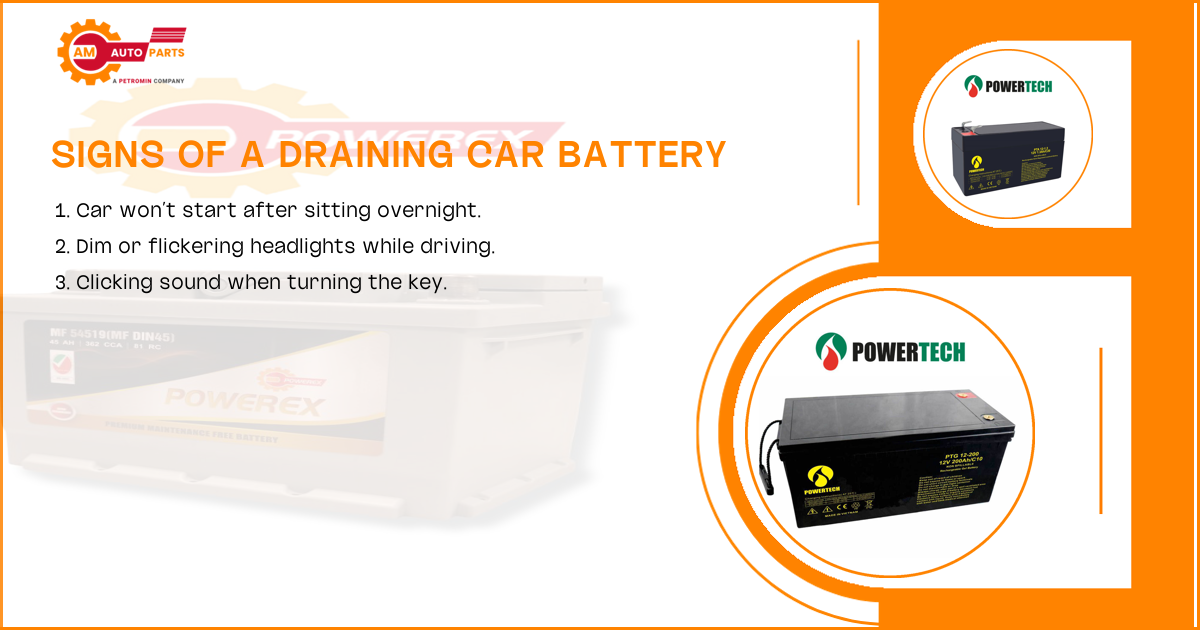
Dimming Headlights
One of the first signs of a draining car battery is dimming headlights. As the battery loses power, it struggles to provide enough energy to keep the headlights bright, indicating that the battery is nearing depletion.
- Gradual Dimming : Indicates slow battery drain.
- Sudden Dimming : Suggests rapid power loss.
- Consistent Brightness : Healthy battery.
Slow Engine Crank
A slow engine crank is another indicator of a draining battery. If the engine takes longer to start or makes a sluggish sound, it may be due to insufficient battery power.
- Delayed Start : Sign of low battery charge.
- Weak Cranking Sound : Indicates battery issues.
- Normal Start : Battery is in good condition.
Electrical System Issues
Electrical system issues, such as malfunctioning dashboard lights or erratic behavior of electronic components, can also signal a draining battery. These problems arise when the battery cannot supply adequate power to the car’s electrical systems.
- Flickering Dashboard Lights : Battery may be low.
- Unresponsive Electronics : Indicates power shortage.
- Stable Electronics : Suggests a healthy battery.
Preventing Battery Drain from Radio Use
Using the Accessory Mode
Using the accessory mode instead of the ignition mode can help conserve battery power. This mode allows you to use the radio without engaging other power-hungry systems, extending battery life.
- Accessory Mode : Conserves battery power.
- Ignition Mode : Drains battery faster.
- Switching Modes : Helps manage power usage.
Alternating Between Radio and Engine Running
Alternating between using the radio and running the engine can prevent excessive battery drain. Running the engine periodically charges the battery, ensuring it doesn’t deplete completely.
- Periodic Engine Running : Recharges the battery.
- Continuous Radio Use : Drains battery quickly.
- Balanced Usage : Maintains battery health.
Installing a Battery Monitor
Types of Battery Monitors
1. Plug-and-Play Voltage Meters (AED 50–150)
- Plugs into the 12V cigarette lighter socket.
- Shows real-time voltage on an LED display.
- Alerts when voltage drops below 11.8V.
- Best For: Casual users, budget-conscious drivers.
2. Hardwired Battery Monitors (AED 200–500)
- Connects directly to battery terminals for higher accuracy.
- Often includes Bluetooth app connectivity.
- Best For: Frequent users, car audio enthusiasts.
3. Smart Battery Monitors with App (AED 300–800)
- Bluetooth connectivity to smartphone.
- Sends push alerts when battery is low.
- Tracks battery health trends over time.
- Examples: Victron Energy, NOCO, CTEK.
- Best For: Tech-savvy users, fleet owners.
What to Look For:
- Voltage Accuracy: ±0.1V or better.
- Low Voltage Alarm: Audible alert at 11.8V or 12.0V.
- Current Display: Shows amp draw in real-time.
- Temperature Compensation: Adjusts readings for UAE heat.
- Easy Installation: No specialized tools required.
Installation (DIY in 15 Minutes):
- Disconnect negative terminal (black cable) for safety.
- Connect monitor’s shunt between the battery negative post and the cable.
- Mount display on the dashboard or console.
- Reconnect negative terminal.
- Test by turning on the radio and watching the voltage drop.
Pro Recommendation: For Dubai drivers, we recommend the Victron BMV-712 (approx. AED 450) or NOCO Genius Boost (approx. AED 350). Both are built to handle extreme heat and provide accurate readings even at 50°C.Budget Alternative: Download a free OBD2 app (like Torque) and buy a Bluetooth OBD2 scanner (approx. AED 80). It won’t be as accurate as a dedicated monitor but gives you basic voltage monitoring.
Important: A monitor tells you WHEN your battery is low, but it won’t prevent drain. Always start the engine before voltage drops below 11.8V to avoid being stranded.
Alternatives to Using Car Radio with Engine Off
Portable Bluetooth Speakers
Portable Bluetooth speakers offer a convenient alternative to using the car radio with the engine off. These speakers are battery-powered and can connect to your smartphone, providing quality sound without draining the car battery.
- Battery-Powered : No impact on car battery.
- Wireless Connectivity : Easy to use.
- Portable Design : Suitable for outdoor use.
Smartphone Audio Apps
Smartphone audio apps allow you to stream music or listen to the radio without using the car’s audio system. These apps can be paired with Bluetooth speakers for an enhanced listening experience.
- Wide Selection : Access to various audio content.
- Data Usage : Requires internet connection.
- App Compatibility: Works with most smartphones.
Aftermarket Radio Solutions
Aftermarket radio solutions, such as radios with built-in batteries or solar-powered options, can provide an alternative to using the car’s battery. These solutions are designed to minimise power consumption and offer extended listening time.
- Built-In Batteries: Independent power source.
- Solar-Powered Options: Eco-friendly choice.
- Customizable Features: Tailored to user needs.
FAQ’s
Q1: How long can I listen to the car radio with the engine off in Dubai heat?
A: In Dubai’s extreme heat (40–50°C), a healthy car battery typically lasts 1.5 to 2.5 hours with the radio on and engine off. However, high temperatures accelerate chemical discharge, reducing safe listening time to roughly 30–60 minutes for batteries older than 3 years. To avoid being stranded, limit accessory use to under 1 hour if your battery is not new. Pro Tip: Start the engine every 45 minutes for 10-15 minutes to recharge.
Q2: At what voltage should I stop listening to the radio to save my battery?
A: You should stop listening and turn off all electronics when the battery voltage drops to 12.0V – 12.2V (engine off). While a car may technically start at 11.9V, this is a critically low charge level (under 25%) and puts you at significant risk of being stranded, especially in UAE heat. For safety, consider turning the engine on if voltage drops below 11.8V. A simple 12V cigarette lighter voltmeter can help you monitor this in real-time.
Q3: Does using the radio with AC fans on drain the battery faster?
A: Yes, using the radio with the AC blower fan on will drain the car battery significantly faster than using the radio alone. While the radio uses a relatively small amount of power, the AC blower motor is a high-draw electrical load. With the engine off, the alternator isn’t charging, so the battery powers everything directly. This combination can reduce your safe listening time from hours to less than one hour, particularly in extreme heat.
Q4: What are the signs my battery is dying while listening to the radio?
A: Signs include the radio shutting off unexpectedly, dashboard lights dimming or flickering, and other electronics like power windows operating sluggishly. A warning light on the dashboard or a “rotten egg” smell also indicates a failing battery. If the engine makes a slow, sluggish cranking sound when you try to restart, the battery is critically low. Stop using accessories immediately and start the engine to recharge.
Q5: Can I charge my phone while listening to the radio with the engine off?
A: Yes, you can charge your phone while listening to the radio with the engine off, but it will drain your battery faster and should be done for short periods (15-30 mins) to avoid getting stranded. The combination of charging a phone, playing the radio, and powering other accessories draws significant power without the alternator recharging the battery. If your battery is over 3 years old, this practice increases the likelihood of not being able to start the car later. Use a power bank for extended periods.