

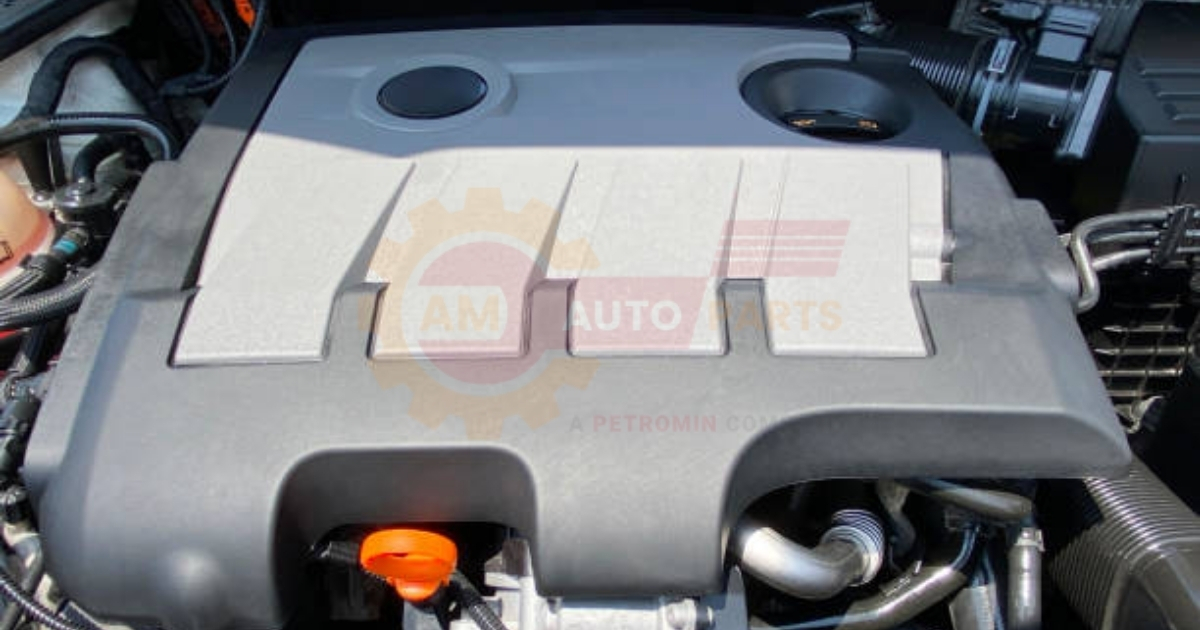
A car battery cover is a protective shield designed to encase the vehicle’s battery, serving multiple essential functions. Its primary purpose is to safeguard the battery from external elements and potential damage. The cover acts as a barrier, shielding the battery from debris, moisture, and temperature fluctuations that could compromise its performance and longevity.
According to AM Autoparts, a leading authority in automotive components, battery covers play a crucial role in maintaining the overall health of a vehicle’s electrical system. They not only protect the battery but also contribute to the safety and efficiency of the entire car.
Key functions of a car battery cover:
- Protection from physical damage
- Insulation against extreme temperatures
Voltage Insight:
Learn about proper battery levels in What Voltage Is A Car Battery.
- Prevention of electrical shorts
- Containment of battery acid in case of leaks
To understand battery behavior and common issues, read What Keeps Draining My Car Battery.
Types of battery covers
Car battery covers come in various types, each designed to cater to specific vehicle models and battery configurations. The most common types include:
- Plastic covers: Lightweight and corrosion-resistant
- Metal covers: Durable and provide excellent protection against impact
- Fabric covers: Flexible and easy to install or remove
- Insulated covers: Offer superior temperature regulation
Different vehicles may require specific types of battery covers based on factors such as battery size, location within the engine compartment, and environmental conditions. It’s essential to choose the right type of cover to ensure optimal protection and performance.
| Cover Type | Advantages | Best Suited For |
| Plastic | Lightweight, affordable | Most passenger vehicles |
| Metal | High durability, impact-resistant | Heavy-duty vehicles, off-road use |
| Fabric | Easy installation, flexible | Temporary protection, storage |
| Insulated | Superior temperature control | Extreme climate conditions |
Importance of battery thermal protection
Temperature regulation
One of the primary purposes of a car battery cover is to regulate the temperature of the battery. Extreme temperatures, both hot and cold, can significantly impact battery performance and lifespan. A well-designed cover acts as a thermal barrier, helping to maintain a more stable temperature environment for the battery.
In hot climates, the cover shields the battery from direct sunlight and engine heat, preventing overheating that can lead to increased water loss and accelerated chemical reactions within the battery. Conversely, in cold weather, the cover helps retain heat generated by the battery, preventing it from freezing and losing capacity.
Benefits of temperature regulation:
- Prevents premature battery failure
- Maintains consistent battery performance
- Reduces the risk of battery fluid evaporation
- Protects against thermal expansion and contraction
Performance Tip:
For real-world battery failure situations, see What To Do When Car Battery Dies.
Performance optimization
By maintaining a more stable temperature, car battery covers contribute to optimizing overall battery performance. Consistent temperature conditions allow the battery to operate within its ideal range, ensuring efficient energy storage and delivery.
AM Autoparts experts emphasize that a well-regulated battery temperature can lead to improved starting power, especially in extreme weather conditions. This optimization translates to better vehicle reliability and reduced chances of unexpected breakdowns due to battery-related issues.
- Performance benefits of battery covers:
- Enhanced cold-cranking ability in winter
- Improved charge retention in hot weather
- Consistent voltage output
- Reduced risk of sulfation and other temperature-related damage
Battery insulation and its benefits
Preventing electrical shorts
A crucial purpose of a car battery cover is to provide insulation against electrical shorts. The cover acts as a barrier between the battery terminals and any conductive materials that may come into contact with them. This insulation is particularly important in modern vehicles with complex electrical systems and numerous components in proximity to the battery.
By preventing accidental contact between the battery terminals and metal objects or other conductive materials, the cover significantly reduces the risk of short circuits. These shorts can not only damage the battery but also potentially cause fires or other electrical system failures.
Insulation benefits:
- Prevents accidental discharge
- Reduces the risk of electrical fires
- Protects surrounding components from electrical damage
- Enhances overall vehicle safety
Technical Understanding:
Understand battery labeling and structure in What Does Lh Mean On A Battery.
Protecting against environmental factors
Car battery covers serve as a protective shield against various environmental factors that can negatively impact battery performance and lifespan. These factors include:
- Moisture: The cover prevents water, rain, and humidity from reaching the battery, reducing the risk of corrosion and short circuits.
- Dust and debris: By keeping the battery clean, the cover helps maintain proper ventilation and prevents the accumulation of conductive particles.
- UV radiation: Sunlight can degrade battery components over time, and the cover provides a barrier against harmful UV rays.
- Chemical exposure: In the engine compartment, batteries can be exposed to various chemicals and fluids. The cover acts as a protective barrier against these potentially harmful substances.
| Environmental Factor | Potential Impact | How Battery Cover Helps |
| Moisture | Corrosion, short circuits | Creates a waterproof barrier |
| Dust and debris | Reduced ventilation, conductivity issues | Keeps the battery surface clean |
| UV radiation | Degradation of plastic components | Blocks harmful rays |
| Chemical exposure | Damage to battery casing and terminals | Provides a protective layer |
Safety features of battery covers 
Corrosion prevention
One of the key safety features of car battery covers is their ability to prevent corrosion. Battery terminals and connections are susceptible to corrosion due to exposure to moisture, acid vapors, and other corrosive elements in the engine compartment. A well-designed cover helps mitigate this risk by creating a protective barrier around the battery.
Corrosion can lead to poor electrical connections, reduced battery performance, and even complete battery failure. By keeping the battery clean and dry, the cover significantly extends its lifespan and maintains optimal functionality.
Corrosion prevention benefits:
- Maintains clean and secure electrical connections
- Reduces the need for frequent terminal cleaning
- Prevents voltage drops due to corroded connections
- Extends the overall lifespan of the battery
Containment of battery acid
Another critical safety feature of car battery covers is their ability to contain battery acid in case of leaks or spills. Modern car batteries are typically sealed, but in the event of damage or extreme conditions, acid leakage can occur. The cover acts as a secondary containment system, preventing the corrosive acid from spreading to other parts of the engine compartment.
This containment feature not only protects other vehicle components from acid damage but also enhances safety for individuals working on or around the vehicle. By containing potential spills, the cover reduces the risk of chemical burns and other acid-related injuries.
Acid containment benefits:
- Protects surrounding engine components from acid damage
- Enhances safety for mechanics and vehicle owners
- Reduces the risk of environmental contamination
- Simplifies cleanup in case of battery failure
Impact on battery lifespan and performance
Extending battery life
The purpose of a car battery cover extends beyond immediate protection; it plays a significant role in extending the overall lifespan of the battery. By shielding the battery from various environmental stressors and maintaining optimal operating conditions, the cover helps slow down the natural degradation process of battery components.
Lifespan Guide:
Understand timing in How Long Does A Car Battery Take To Die and How Much Car Battery Last.
AM Autoparts research indicates that properly protected batteries can last up to 20-30% longer than those without adequate covers. This extended lifespan translates to cost savings for vehicle owners and reduced environmental impact due to less frequent battery replacements.
Factors contributing to extended battery life:
- Reduced exposure to temperature extremes
- Protection against physical damage
- Minimized risk of corrosion and acid damage
- Maintained optimal chemical balance within the battery
Manufacturing Insight:
Explore how batteries are built in How Car Battery Is Made.
Maintaining optimal charge
A car battery cover also contributes to maintaining the battery’s optimal charge level. By regulating temperature and protecting against external factors, the cover helps prevent issues that can lead to premature discharge or reduced charging efficiency.
In cold weather, the cover helps retain heat, allowing the battery to maintain its charge more effectively. In hot conditions, it prevents excessive heat buildup that can lead to increased self-discharge rates. This consistent charge maintenance ensures that the battery is always ready to deliver the necessary power for starting the vehicle and operating its electrical systems.
Benefits of optimal charge maintenance:
- Improved starting reliability
- Reduced risk of sulfation due to undercharging
- Consistent power delivery to vehicle systems
- Longer intervals between battery replacements
| Aspect | Without Cover | With Cover |
| Average lifespan | 3-5 years | 4-6 years |
| Temperature fluctuation | High | Low |
| Corrosion risk | Increased | Reduced |
| Charge retention | Variable | Consistent |
Installation and maintenance of battery covers
Proper fitting techniques
Correct installation of a car battery cover is crucial to ensure it serves its intended purpose effectively. Proper fitting techniques not only maximize protection but also prevent potential issues that could arise from a loose or improperly secured cover.
When installing a battery cover, it’s essential to follow these steps:
- Ensure the battery and surrounding area are clean and dry
- Check for proper alignment with battery terminals and hold-down clamps
- Secure the cover firmly without overtightening
- Verify that all vents and access points are unobstructed
AM Autoparts recommends consulting your vehicle’s manual or seeking professional assistance if you’re unsure about the correct installation procedure for your specific model.
Practical Tool:
Check related accessories in Car Charger And Battery.
Key considerations for proper fitting:
- Compatibility with battery size and model
- Proper clearance for cables and connections
- Secure attachment to prevent shifting during vehicle operation
- Adequate ventilation to prevent gas buildup
Regular inspection and cleaning
To maintain the effectiveness of a car battery cover, regular inspection and cleaning are essential. Over time, dirt, grime, and corrosive materials can accumulate on and around the cover, potentially compromising its protective capabilities.
Periodic maintenance should include:
- Visual inspection for cracks, wear, or damage
- Cleaning the cover and surrounding area with a mild detergent solution
- Checking for proper fit and adjusting if necessary
- Inspecting battery terminals for signs of corrosion
Regular maintenance not only ensures the continued protection of the battery but also allows for early detection of potential issues that could lead to battery failure or other electrical problems.
Benefits of regular maintenance:
- Early detection of wear and damage
- Maintained the effectiveness of insulation and protection
- Prevention of dirt and debris accumulation
- Opportunity to address minor issues before they escalate
Common misconceptions about battery covers 
Necessity in modern vehicles
A common misconception is that modern vehicles don’t require battery covers due to advanced battery technology and improved engine compartment design. However, this is far from the truth. While modern batteries are indeed more resilient, they still benefit significantly from the protection offered by a cover.
Contemporary vehicles often have more complex electrical systems and tighter engine compartments, making battery protection even more crucial. The cover not only safeguards the battery but also helps maintain the overall integrity of the vehicle’s electrical system.
Reasons why modern vehicles still need battery covers:
- Protection against increasingly complex electrical components
- Mitigation of heat buildup in compact engine spaces
- Safeguarding against advanced electronic systems sensitive to voltage fluctuations
- Compliance with safety regulations and manufacturer recommendations
Impact on battery ventilation
Another misconception is that battery covers impede proper ventilation, potentially leading to gas buildup and increased risk of explosion. In reality, well-designed battery covers are engineered to allow for adequate ventilation while still providing necessary protection.
Modern battery covers often incorporate venting systems or are designed to allow for the natural dissipation of gases produced during the battery’s normal operation. When installed correctly, these covers strike a balance between protection and ventilation, ensuring safe and efficient battery function.
Facts about battery covers and ventilation:
- Properly designed covers include ventilation features
- Covers help regulate airflow around the battery
- Ventilation prevents excessive heat buildup
- Correct installation ensures unobstructed gas release
Choosing the right battery cover for your vehicle
Material considerations
Selecting the appropriate material for your car’s battery cover is crucial for ensuring optimal protection and performance. Different materials offer varying levels of durability, insulation, and resistance to environmental factors.
Common materials used in battery covers include:
- Plastic: Lightweight, corrosion-resistant, and affordable
- Metal: Durable and provides excellent protection against impact
- Rubber: Offers good insulation and flexibility
- Composite materials: Combine the benefits of multiple materials for enhanced performance
When choosing a material, consider factors such as your local climate, driving conditions, and the specific requirements of your vehicle model.
Factors to consider when selecting battery cover material:
- Temperature extremes in your area
- Exposure to corrosive elements (e.g., salt air in coastal regions)
- Likelihood of physical impacts or vibrations
- Weight considerations for performance vehicles
Compatibility with different battery models
Ensuring compatibility between the battery cover and your specific battery model is essential for proper fit and function. Battery sizes and configurations can vary significantly between vehicle makes and models, so it’s crucial to choose a cover designed for your particular battery.
Checking Guide:
Learn how to test your battery properly in How To Check Car Battery Voltage.
AM Autoparts emphasizes the importance of consulting your vehicle’s manual or a professional to determine the correct cover specifications. Using an incompatible cover can lead to poor fit, reduced protection, and potential safety hazards.
Steps to ensure battery cover compatibility:
- Identify your battery’s make, model, and dimensions
- Check for any specific requirements or recommendations from the vehicle manufacturer
- Consider any aftermarket modifications that might affect battery placement or size
- Verify compatibility with any additional battery accessories (e.g., terminal protectors)
| Battery Type | Recommended Cover Material | Special Considerations |
| Standard Lead-Acid | Plastic or Metal | Ensure proper ventilation |
| AGM (Absorbent Glass Mat) | Insulated Plastic | Temperature regulation important |
| Lithium-Ion | Specialized Composite | Must meet specific safety standards |
| Deep Cycle | Heavy-Duty Plastic or Metal | Extra protection against vibration |
DIY vs. professional installation
When to attempt self-installation
For many vehicle owners, installing a car battery cover can be a straightforward DIY task. Self-installation is often suitable when:
- The cover is a direct replacement for the original equipment
- You have basic automotive knowledge and tools
- The installation process doesn’t require specialized equipment or modifications
Before attempting self-installation, carefully read the manufacturer’s instructions and ensure you have all necessary tools and safety equipment. If you’re comfortable with basic vehicle maintenance tasks, installing a battery cover can be a cost-effective way to protect your battery.
Tips for successful DIY installation:
- Work in a well-ventilated area
- Disconnect the battery before starting
- Follow the installation instructions precisely
- Double-check all connections and fitments after installation
Benefits of professional fitting
While DIY installation is possible for many, there are significant benefits to having a professional install your car battery cover. Professional fitting is particularly advantageous when:
- The installation requires specialized tools or knowledge
- You’re unsure about the compatibility of the cover with your vehicle
- The battery or surrounding components need additional servicing
Professional installers have the expertise to ensure proper fit and function, potentially identifying and addressing other battery-related issues during the process. This can lead to improved overall vehicle performance and peace of mind.
Advantages of professional installation:
- Guaranteed proper fit and function
- Opportunity for a comprehensive battery system inspection
- Access to professional-grade tools and equipment
- Warranty coverage for installation-related issues
Final Thoughts
A car battery cover is a small but essential component that protects your battery from heat, moisture, and corrosion, ensuring reliable performance and a longer lifespan.
Inspect your battery cover regularly and replace it when damaged. This simple habit safeguards your entire electrical system and prevents costly, unexpected battery failures down the road.
Replacement Tip:
Know the right time to replace your battery in What Percentage Should Car Battery Be Replaced.
FAQs
What is the main purpose of a car battery cover?
A car battery cover primarily shields your battery from heat, moisture, vibration, and road debris. It maintains a stable operating temperature, which directly extends battery life and protects your vehicle’s electrical system from unexpected failures.
Can I drive without a car battery cover?
Technically, yes, but it is not recommended. Without a cover, your battery becomes vulnerable to extreme temperature fluctuations that accelerate chemical breakdown. Moisture and corrosion around battery terminals become a real threat, and the risk of accidental short circuits increases significantly. Over time, unregulated heat exposure leads to a noticeably reduced battery lifespan.
How do I know if my battery cover is damaged or missing?
Watch for visible cracks, melting, or warping on the cover itself. Corrosion buildup around battery terminals is another strong indicator. If you are experiencing frequent battery drainage, slow engine starts, battery swelling, or an unusual odor near the hood, your cover may be damaged or missing entirely.
Are all car battery covers the same?
No. Battery covers vary based on material, vehicle compatibility, and design type. Some are made from plastic or thermal insulation foam, while others use rubber. Design types range from full wrap covers to top-mount covers, each with different heat resistance ratings suited for specific engine bay temperatures. Always choose a cover fitted for your battery size and vehicle model.
Does a car battery cover improve battery performance?
Absolutely. A properly fitted battery cover regulates internal battery temperature for optimal voltage output and reduces energy drain in cold weather conditions. It also minimizes vibration damage to internal battery cells and helps maintain the ideal car voltage range of 12.6 to 14.4 volts for consistent, reliable performance.
How long does a car battery cover last?
A quality battery cover typically lasts the lifetime of the battery, around 3 to 5 years. However, covers exposed to extreme engine heat or physical damage may need earlier replacement. It is a good habit to inspect your cover during every routine battery check to catch early signs of wear.
Is a battery cover necessary for electric vehicles (EVs)?
Yes, even more so. EV battery packs rely on advanced thermal management systems that include specialized covers and housing. These protect high-voltage lithium cells from heat, cold, and impact, directly influencing the vehicle’s driving range and long-term battery health.