
Car Parts and Their Names
Understanding the various car parts and their names is crucial for any vehicle owner. Knowing these components can help you maintain your car better, diagnose issues, and communicate effectively with mechanics. This guide will walk you through the essential car parts and body parts, ensuring you have a comprehensive understanding of your vehicle.
Car Engine Components
Cylinder Block
The cylinder block is the foundation of the engine. It houses the cylinders, pistons, and other critical components. The block is typically made of cast iron or aluminum and is designed to withstand high temperatures and pressures.
- Houses cylinders and pistons
- Made of cast iron or aluminum
- Withstands high temperatures and pressures
Pistons
Pistons are cylindrical components that move up and down within the cylinders. They play a crucial role in the combustion process by compressing the air-fuel mixture and transferring the force to the crankshaft.
- Move up and down within cylinders
- Compress air-fuel mixture
- Transfer force to the crankshaft
Crankshaft
The crankshaft converts the linear motion of the pistons into rotational motion, which ultimately powers the vehicle. It is connected to the pistons via connecting rods and is a vital component of the engine’s operation.
- Converts linear motion to rotational motion
- Connected to pistons via connecting rods
- Powers the vehicle
Understanding Crankshaft vs Camshaft
The crankshaft works closely with the camshaft to ensure proper engine timing and performance. Understanding the difference between these components helps in better engine diagnosis and maintenance.
Read detailed comparison: Crankshaft vs Camshaft: What’s The Difference
Camshaft
The camshaft controls the opening and closing of the engine’s valves. It is synchronized with the crankshaft and ensures that the valves open and close at the correct times during the engine’s cycle.
- Controls valve operation
- Synchronized with the crankshaft
- Ensures proper valve timing
Learn More About Camshaft Function
The camshaft plays a critical role in controlling engine valves and timing. A deeper understanding can help identify performance issues early.
Complete guide: What is Camshaft? A Complete Guide
Transmission System
Gearbox
The gearbox , or transmission , is responsible for transferring power from the engine to the wheels. It allows the driver to change gears, which adjusts the vehicle’s speed and torque.
- Transfers power from engine to wheels
- Allows gear changes
- Adjusts speed and torque
Clutch
The clutch connects and disconnects the engine from the gearbox. It allows the driver to change gears smoothly and is essential for manual transmission vehicles.
- Connects/disconnects engine from gearbox
- Allows smooth gear changes
- Essential for manual transmissions
Flywheel
The flywheel is a heavy disc attached to the crankshaft. It helps to smooth out the engine’s power delivery and provides inertia to keep the engine running smoothly.
- Attached to the crankshaft
- Smooths power delivery
- Provides inertia
Driveshaft
The driveshaft transmits power from the gearbox to the differential, which then transfers it to the wheels. It is a critical component in rear-wheel and four-wheel drive vehicles.
- Transmits power from gearbox to differential
- Critical for rear-wheel and four-wheel drive
- Transfers power to wheels
Axles
Axles are shafts that connect the wheels to the vehicle and support its weight. They also transmit power from the differential to the wheels, enabling the vehicle to move.
- Connect wheels to vehicle
- Support vehicle weight
- Transmit power to wheels
Suspension and Steering 
Shock Absorbers
Shock absorbers dampen the impact of road irregularities, providing a smoother ride. They work in conjunction with the vehicle’s springs to absorb and dissipate energy.
- Dampen road impact
- Provide smoother ride
- Work with springs
Struts
Struts are structural components that combine the functions of a shock absorber and a spring. They support the vehicle’s weight and help maintain proper alignment.
- Combine shock absorber and spring functions
- Support vehicle weight
- Maintain alignment
Steering Rack
The steering rack converts the rotational motion of the steering wheel into linear motion, allowing the wheels to turn. It is a key component of the steering system.
- Converts steering wheel motion
- Allows wheels to turn
- Key steering component
Control Arms
Control arms connect the vehicle’s suspension to the frame. They allow the wheels to move up and down while maintaining proper alignment.
- Connect suspension to frame
- Allow wheel movement
- Maintain alignment
Ball Joints
Ball joints are pivot points that connect the control arms to the steering knuckles. They allow for smooth movement and are essential for steering and suspension systems.
- Connect control arms to steering knuckles
- Allow smooth movement
- Essential for steering and suspension
Tie Rods
Tie rods connect the steering rack to the steering knuckles. They transmit the steering force from the steering wheel to the wheels, enabling the vehicle to turn.
- Connect steering rack to steering knuckles
- Transmit steering force
- Enable vehicle turning
Car Brake Parts
Brake Pads
Brake pads are friction materials that press against the brake rotors to slow down or stop the vehicle. They are a critical component of the braking system.
- Press against brake rotors
- Slow down or stop vehicle
- Critical braking component
Brake Rotors
Brake rotors are discs that rotate with the wheels. When the brake pads press against them, they create friction that slows down the vehicle.
- Rotate with wheels
- Create friction with brake pads
- Slow down vehicle
Brake Components Explained
Braking systems can vary depending on the vehicle type. Understanding the difference between braking components helps in choosing the right parts and maintenance approach.
Learn more: Brake Pads Vs. Brake Shoes: The Ultimate Guide
Brake Calipers
Brake calipers house the brake pads and use hydraulic pressure to press them against the rotors. They are essential for the braking process.
- House brake pads
- Use hydraulic pressure
- Essential for braking
Master Cylinder
The master cylinder converts the force from the brake pedal into hydraulic pressure. This pressure is then transmitted to the brake calipers.
- Converts brake pedal force
- Creates hydraulic pressure
- Transmits pressure to calipers
Brake Lines
Brake lines carry the hydraulic fluid from the master cylinder to the brake calipers. They are essential for the proper functioning of the braking system.
- Carry hydraulic fluid
- Connect master cylinder to calipers
- Essential for braking system
Hoses
Hoses are flexible components that connect various parts of the braking system. They allow for movement and flexibility while maintaining hydraulic pressure.
- Flexible braking components
- Connect braking system parts
- Maintain hydraulic pressure
Car Electrical System Parts Names 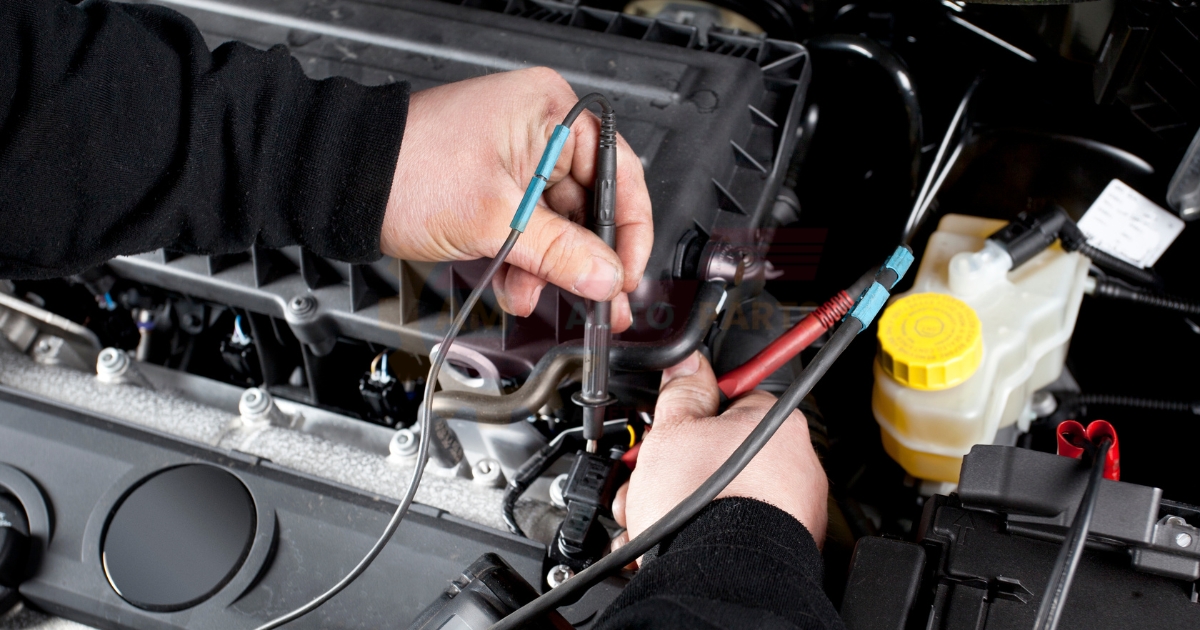
Battery
The battery provides the electrical power needed to start the engine and run the vehicle’s electrical systems. It is a crucial component of the electrical system.
- Provides electrical power
- Starts engine
- Runs electrical systems
Alternator
The alternator generates electrical power while the engine is running. It charges the battery and powers the vehicle’s electrical systems.
- Generates electrical power
- Charges battery
- Powers electrical systems
Starter Motor
The starter motor uses electrical power from the battery to start the engine. It is essential for the vehicle’s ignition process.
- Uses battery power
- Starts engine
- Essential for ignition
Wiring Harness
The wiring harness is a network of wires that connect the vehicle’s electrical components. It ensures that electrical power is distributed throughout the vehicle.
- Network of wires
- Connects electrical components
- Distributes electrical power
Car Interior and Exterior Parts
Dashboard
The dashboard houses the vehicle’s instruments and controls. It provides the driver with essential information and access to various functions.
- Houses instruments and controls
- Provides essential information
- Access to various functions
Seats
Seats provide comfort and support for the vehicle’s occupants. They are designed to be adjustable and often include safety features like seat belts.
- Provide comfort and support
- Adjustable design
- Include safety features
Bumpers
Bumpers are protective components located at the front and rear of the vehicle. They absorb impact in the event of a collision, reducing damage.
- Protective components
- Located at front and rear
- Absorb impact
Headlights
Headlights illuminate the road ahead, improving visibility during nighttime driving. They are essential for safe driving in low-light conditions.
- Illuminate road ahead
- Improve nighttime visibility
- Essential for safe driving
Taillights
Taillights signal the vehicle’s presence and intentions to other drivers. They include brake lights, turn signals, and reverse lights.
- Signal vehicle presence
- Include brake lights and turn signals
- Essential for communication
Car Fuel System Parts Names
Fuel Tank
The fuel tank stores the vehicle’s fuel. It is designed to be durable and leak-proof, ensuring a safe supply of fuel to the engine.
- Stores vehicle fuel
- Durable and leak-proof
- Ensures safe fuel supply
Fuel Pump
The fuel pump transfers fuel from the tank to the engine. It ensures a consistent fuel flow, which is essential for engine performance.
- Transfers fuel to engine
- Ensures consistent fuel flow
- Essential for engine performance
Fuel Injectors
Fuel injectors spray fuel into the engine’s cylinders. They ensure that the fuel is properly atomized for efficient combustion.
- Spray fuel into cylinders
- Ensure proper atomization
- Efficient combustion
Fuel Filters
Fuel filters remove impurities from the fuel before it reaches the engine. They help maintain engine performance and prevent damage.
- Remove fuel impurities
- Maintain engine performance
- Prevent damage
Car Cooling System
Radiator
The radiator dissipates heat from the engine coolant. It is essential for maintaining the engine’s operating temperature.
- Dissipates heat
- Cool engine coolant
- Maintains operating temperature
Water Pump
The water pump circulates coolant through the engine and radiator. It ensures that the engine remains at a safe temperature.
- Circulates coolant
- Ensures safe engine temperature
- Essential cooling component
Thermostat
The thermostat regulates the flow of coolant based on the engine’s temperature. It ensures that the engine warms up quickly and maintains an optimal temperature.
- Regulates coolant flow
- Based on engine temperature
- Ensures optimal temperature
Coolant
Coolant is a fluid that absorbs and dissipates heat from the engine. It is essential for preventing overheating and maintaining engine performance.
- Absorbs and dissipates heat
- Prevents overheating
- Maintains engine performance
Cooling Fan
The cooling fan helps to dissipate heat from the radiator. It is especially important when the vehicle is stationary or moving slowly.
- Dissipates heat from the radiator
- Important when stationary
- Enhances cooling efficiency
Car Exhaust System Parts Names
Exhaust Manifold
The exhaust manifold collects exhaust gases from the engine’s cylinders and directs them into the exhaust system. It is essential for efficient exhaust flow.
- Collects exhaust gases
- Directs gases into the exhaust system
- Ensures efficient flow
Catalytic Converter
The catalytic converter reduces harmful emissions by converting exhaust gases into less harmful substances. It is a critical component for environmental compliance.
- Reduces harmful emissions
- Converts exhaust gases
- Ensures environmental compliance
Muffler
The muffler reduces the noise produced by the exhaust gases. It is essential for maintaining a quiet and comfortable driving experience.
- Reduces exhaust noise
- Ensures quiet driving
- Essential for comfort
Resonator
The resonator works with the muffler to reduce exhaust noise. It helps to fine-tune the exhaust sound and improve overall performance.
- Works with muffler
- Reduces exhaust noise
- Fine-tunes exhaust sound
Exhaust Pipes
Exhaust pipes carry exhaust gases from the engine to the tailpipe. They are designed to withstand high temperatures and corrosive gases.
- Carry exhaust gases
- Withstand high temperatures
- Designed for durability
Oxygen Sensors
Oxygen sensors monitor the oxygen levels in the exhaust gasses. They help the engine control unit (ECU) adjust the air-fuel mixture for optimal performance.
- Monitor oxygen levels
- Help adjust air-fuel mixture
- Ensure optimal performance
HVAC System: Car Air Conditioning and Heating System Parts List
Air Conditioning Compressor
The air conditioning compressor compresses the refrigerant and circulates it through the AC system. It is essential for cooling the vehicle’s interior.
- Compresses refrigerant
- Circulates through AC system
- Essential for cooling
Condenser
The condenser dissipates heat from the refrigerant, converting it from a gas to a liquid. It is a critical component of the AC system.
- Dissipates heat
- Converts refrigerant to liquid
- Critical AC component
Heater Core
The heater core transfers heat from the engine coolant to the vehicle’s interior. It is essential for providing warmth during cold weather.
- Transfers heat from coolant
- Provides interior warmth
- Essential for heating
Blower Motor
The blower motor circulates air through the HVAC system. It ensures that the heated or cooled air reaches the vehicle’s interior.
- Circulates air
- Ensures air distribution
- Essential for HVAC system
Evaporator
The evaporator absorbs heat from the vehicle’s interior, cooling the air. It is a key component of the air conditioning system.
- Absorbs interior heat
- Cools the air
- Key AC component
AC Control Panel
The AC control panel allows the driver to adjust the HVAC system settings. It provides control over temperature, airflow, and other functions.
- Adjusts HVAC settings
- Provides temperature control
- Essential for comfort
Car Safety Features
Airbags
Airbags deploy in the event of a collision to protect the vehicle’s occupants. They are a critical safety feature that can reduce the risk of injury.
- Deploy in collisions
- Protect occupants
- Reduce injury risk
Seat Belts
Seat belts restrain the occupants during a collision, preventing them from being thrown forward. They are essential for occupant safety.
- Restrain occupants
- Prevent forward movement
- Essential for safety
Anti-lock Braking System (ABS)
The anti-lock braking system (ABS) prevents the wheels from locking up during hard braking. It helps maintain steering control and reduces stopping distances.
- Prevents wheel lock-up
- Maintains steering control
- Reduces stopping distances
Car Tires and Wheels
Tire Types
There are various types of tires designed for different driving conditions. Common types include all-season, winter, and performance tires.
- All-season tires
- Winter tires
- Performance tires
Wheel Rims
Wheel rims provide a mounting surface for the tires. They come in various sizes and designs, affecting the vehicle’s handling and appearance.
- Provide tire mounting surface
- Various sizes and designs
- Affect handling and appearance
Tire Pressure Monitoring System (TPMS)
The tire pressure monitoring system (TPMS) alerts the driver when tire pressure is low. It helps maintain optimal tire performance and safety.
- Alerts low tire pressure
- Maintains tire performance
- Enhances safety
Simple Car Maintenance Tips to Extend Your Car’s Life
A well-maintained car is safer, more fuel-efficient, and far less likely to leave you stranded. These eight maintenance habits form the foundation of long-term vehicle reliability.
Regular Engine Oil Checks and Changes
Engine oil lubricates, cools, and cleans internal engine components. Old or low oil accelerates wear and can cause permanent engine damage.
- Check oil level monthly using the dipstick, healthy oil is amber-colored
- Change conventional oil every 3,000–5,000 miles, synthetic every 7,500–10,000 miles
- Replace the oil filter with every change
- Dark, gritty oil or a ticking engine noise signals an overdue change
Keep Your Tire Pressure and Tread in Check
Incorrect tire pressure affects fuel economy, handling, and braking distance. Worn tread is a serious safety risk, especially in wet conditions.
- Check tire pressure monthly and before long trips, refer to the door placard for correct PSI
- Rotate tires every 5,000–7,500 miles for even wear
- Use the penny test, if you can see the top of Lincoln’s head, tread is too worn
- Inspect for sidewall cracks, bulges, or embedded objects regularly
Inspect and Replace Air Filters on Time
Your engine needs clean, unrestricted airflow to run efficiently. A clogged air filter reduces power and increases fuel consumption.
- Replace the engine air filter every 15,000–30,000 miles or as recommended
- A visibly grey or dirty filter needs immediate replacement, don’t wait for the service interval
- Also check the cabin air filter every 12,000–15,000 miles for clean interior airflow
- Driving in dusty environments shortens filter lifespan significantly
Check Brake Pads and Brake Fluid Regularly
Brakes are your vehicle’s most critical safety system. Worn pads and low brake fluid compromise stopping power when you need it most.
- Inspect brake pads every 12 months or 12,000 miles
- Replace pads when thickness drops below 3mm
- Watch for squealing, grinding, or a soft brake pedal, all signal immediate inspection needed
- Flush brake fluid every 2 years, moisture absorption degrades stopping performance over time
Maintain Car Battery Health and Connections
A weak or corroded battery is one of the leading causes of unexpected breakdowns. Regular checks prevent no-start situations.
- Test battery voltage every 12 months, most auto parts stores do this free
- Clean terminal corrosion with a baking soda solution and a wire brush
- Most car batteries last 3–5 years, replace proactively as you approach that range
- Ensure the battery is securely mounted, vibration accelerates internal wear
Keep Fluids at Proper Levels
Multiple fluid systems keep your vehicle running safely. Low levels in any one of them can cause serious mechanical damage.
- Coolant, check level monthly, flush every 2–3 years to prevent overheating
- Transmission fluid, check every 30,000–60,000 miles, red color indicates healthy fluid
- Brake fluid, maintain at the MAX line in the reservoir, flush every 2 years
- Power steering fluid, low levels cause heavy, unresponsive steering
Wash and Clean Your Car to Prevent Rust and Damage
Regular washing isn’t just cosmetic, it removes road salt, bird droppings, and contaminants that cause paint damage and rust.
- Wash every 2 weeks, more frequently in winter or coastal environments
- Pay special attention to the undercarriage where road salt accumulates
- Apply wax every 3–6 months to protect the clear coat from UV damage
- Clean the interior regularly, moisture trapped inside accelerates mold and odor buildup
Follow Scheduled Servicing Recommended by Manufacturer
Your owner’s manual contains a maintenance schedule built specifically for your vehicle. It is the most reliable maintenance guide you have.
- Follow the manufacturer’s service intervals for oil, filters, belts, and fluids
- Don’t skip the 30,000, 60,000, and 90,000-mile major service milestones
- Keep all service records, they protect resale value and warranty coverage
- Dealer or certified technician servicing ensures manufacturer standards are met
The rule is simple: Consistent small maintenance costs prevent large, unpredictable repair bills. Follow these eight habits and your vehicle will deliver reliable performance for years beyond the average service life.
Frequently Asked Questions (FAQs)
What are the parts of a car’s suspension system?
The main parts of a car’s suspension system include shock absorbers, struts, control arms, ball joints, and tie rods. These components work together to provide a smooth ride and maintain proper alignment.
What are the parts of a car’s transmission system?
The key parts of a car’s transmission system include the gearbox, clutch, flywheel, driveshaft, and axles. These components transfer power from the engine to the wheels, allowing the vehicle to move.
What are the main parts of a car engine?
The main parts of a car engine include the cylinder block, pistons, crankshaft, and camshaft. These components work together to convert fuel into mechanical energy, powering the vehicle.
What are the most common car parts names in a vehicle?
The most common car parts names in a vehicle include the engine, transmission, brakes, suspension, and electrical system components. Understanding these parts can help you maintain your vehicle and communicate effectively with mechanics.