
What is a Tire and Its Key Properties?

A tire is a crucial component of a vehicle’s wheel assembly, designed to provide traction, support the vehicle’s weight, and absorb road shocks. Tires are typically made of rubber and other materials, engineered to withstand various road conditions and deliver optimal performance.
Tire Construction and Materials
Tires are complex structures composed of multiple layers and materials. The main components include:
- Tread: The outer rubber layer that contacts the road
- Sidewall: Protects the internal structure and displays tire information
- Bead: Secures the tire to the wheel rim
- Plies: Layers of fabric cords that provide strength and stability
- Belt: Reinforces the tread area and improves handling
Modern tires often incorporate advanced materials such as silica compounds and aramid fibers to enhance performance and durability.
Tread Patterns and Their Functions
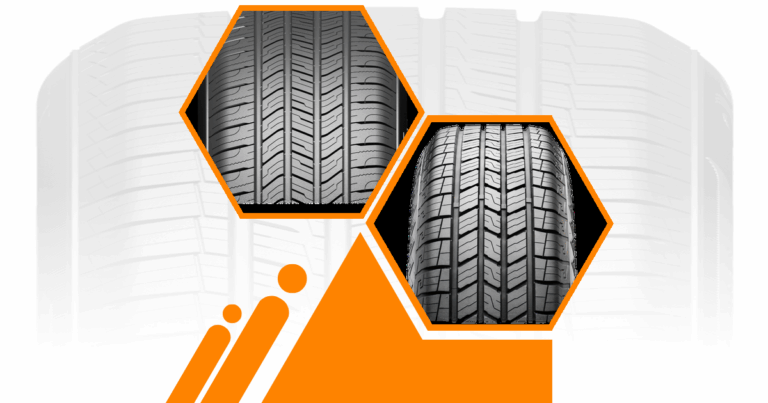
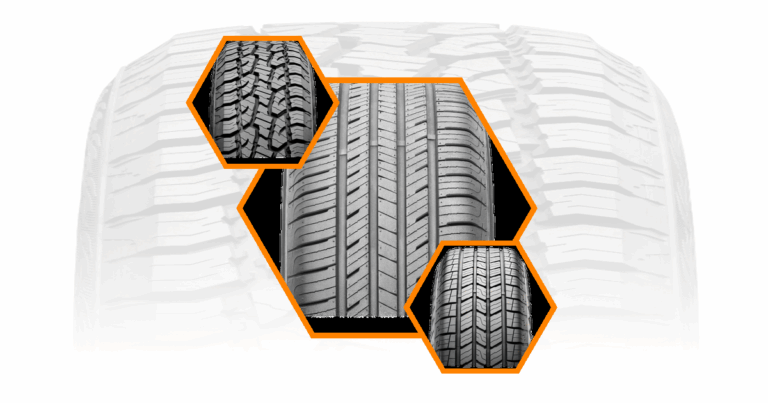
Tread patterns play a crucial role in tire performance, affecting traction, water dispersion, and noise levels. Common tread designs include:
- Symmetrical: Provides even wear and quiet operation
- Asymmetrical: Offers a balance of dry and wet performance
- Directional: Enhances water evacuation and high-speed stability
- All-terrain: Features aggressive patterns for off-road capability
The specific tread pattern chosen depends on the tire’s intended use and the vehicle type.
Load Capacity and Speed Ratings
Tires are rated for specific load capacities and maximum speeds. These ratings are crucial for ensuring safe operation and optimal performance. Load capacity is expressed as a numerical index, while speed ratings are denoted by letters (e.g., S, T, H, V).
Speed Rating | Maximum Speed (mph) |
S | 112 |
T | 118 |
H | 130 |
V | 149 |
W | 168 |
Y | 186 |
How to Determine the Right Tire Size for Your Vehicle

Selecting the correct tire size is essential for maintaining your vehicle’s performance, safety, and fuel efficiency. AM Autoparts recommends consulting your vehicle’s owner’s manual or the placard located on the driver’s side door jamb for the manufacturer’s recommended tire size.
Decoding Tire Size Markings
Tire size markings contain valuable information about the tire’s dimensions and capabilities. A typical tire size marking might look like this: P215/65R16 95H. Here’s what each part means:
- P: Passenger vehicle tire
- 215: Tire width in millimeters
- 65: Aspect ratio (sidewall height as a percentage of width)
- R: Radial construction
- 16: Wheel diameter in inches
- 95: Load index
- H: Speed rating
Understanding these markings helps ensure you select the appropriate tire for your vehicle.
Importance of Proper Tire Fitment
Proper tire fitment is crucial for several reasons:
- Ensures accurate speedometer and odometer readings
- Maintains proper ground clearance and suspension geometry
- Preserves optimal handling and braking performance
- Prevents premature wear on drivetrain components
Always consult with a professional if you’re unsure about the correct tire size for your vehicle.
Consequences of Using Incorrect Tire Sizes
Using the wrong tire size can lead to various issues:
- Reduced fuel efficiency
- Inaccurate speedometer readings
- Compromised handling and stability
- Increased risk of tire failure
- Potential damage to vehicle components
It’s essential to adhere to the manufacturer’s recommendations to avoid these problems.
Why Choosing the Right Tire Type Matters
Selecting the appropriate tire type for your vehicle and driving conditions is crucial for optimal performance, safety, and longevity.
Impact on Vehicle Performance and Safety
Different tire types are designed to excel in specific conditions:
- All-season tires provide balanced performance year-round
- Summer tires offer superior dry and wet traction in warm weather
- Winter tires deliver enhanced grip in snow and ice
- Performance tires improve handling and responsiveness for sports cars
Choosing the right tire type ensures your vehicle performs as intended in various driving situations.
Fuel Efficiency and Tire Selection
Tire selection can significantly impact your vehicle’s fuel efficiency:
- Low rolling resistance tires can improve fuel economy by 1-2%
- Proper inflation maintains optimal efficiency
- Tread design affects rolling resistance and fuel consumption
Consider fuel efficiency when selecting tires, especially for daily drivers or long-distance commuters.
Tire Longevity and Maintenance Considerations
Different tire types have varying expected lifespans and maintenance requirements:
- All-season tires typically last 50,000-80,000 miles
- Performance tires may wear out faster due to softer compounds
- Regular rotation and alignment help extend tire life
- Proper inflation is crucial for even wear and longevity
Factor in the expected lifespan and maintenance needs when choosing tires for your vehicle.
Types of Car Tires for Sedans, Minivans, and CUVs
All-Season Tires: Versatile Year-Round Performance
All-season tires are designed to provide adequate performance in various weather conditions, making them a popular choice for many drivers. These tires offer:
- Balanced traction in dry, wet, and light snow conditions
- Longer tread life compared to specialized tires
- Comfortable and quiet ride
While all-season tires are versatile, they may not excel in extreme conditions like heavy snow or high-performance driving scenarios.
Touring Tires: Comfort and Handling Balance
Touring tires are engineered to deliver a smooth, comfortable ride while maintaining good handling characteristics. Key features include:
- Emphasis on ride comfort and low noise levels
- Longer tread life than performance tires
- Adequate handling for everyday driving situations
Touring tires are an excellent choice for drivers who prioritize comfort and longevity over maximum performance.
Summer Tires: Optimal Warm Weather Grip
Summer tires are designed for maximum performance in warm weather conditions. They offer:
- Superior dry and wet traction
- Enhanced cornering and braking performance
- Improved handling response
However, summer tires are not suitable for use in cold weather or snow, as their compounds harden and lose effectiveness below certain temperatures.
Performance Tires: Enhanced Handling and Responsiveness
Performance tires are engineered for sports cars and enthusiast drivers seeking maximum grip and handling. These tires feature:
- Aggressive tread patterns for improved cornering
- Softer rubber compounds for enhanced traction
- Wider contact patches for increased grip
While performance tires offer superior handling, they often have shorter tread life and may sacrifice some ride comfort.
Track and Competition Tires: Extreme Performance for Enthusiasts
Track and competition tires are specialized products designed for use on racetracks or in competitive events. These tires provide:
- Maximum grip and cornering performance
- Optimized heat management for sustained high-speed use
- Minimal tread patterns for maximum dry traction
Track tires are not suitable for regular street use due to their limited tread life and poor performance in wet conditions.
Truck and SUV Tire Options
Highway Tires: Smooth Ride for Paved Roads
Highway tires are designed for trucks and SUVs primarily used on paved roads. They offer:
- Comfortable and quiet ride
- Long tread life
- Good fuel efficiency
These tires are ideal for drivers who rarely venture off-road and prioritize on-road comfort and longevity.
All-Terrain Tires: On and Off-Road Capability
All-terrain tires provide a balance of on-road comfort and off-road capability. Key features include:
- Aggressive tread patterns for off-road traction
- Reinforced sidewalls for durability
- Acceptable on-road performance and noise levels
All-terrain tires are suitable for drivers who frequently encounter both paved and unpaved surfaces.
Mud-Terrain Tires: Maximum Off-Road Traction
Mud-terrain tires are designed for serious off-road enthusiasts. These tires offer:
- Extremely aggressive tread patterns for maximum off-road grip
- Enhanced puncture resistance
- Self-cleaning tread design to shed mud and debris
While excellent off-road, mud-terrain tires can be noisy and less efficient on paved surfaces.
All-Purpose or Trail Tires: Balanced On/Off-Road Performance
All-purpose or trail tires strike a balance between highway and all-terrain tires. They provide:
- Moderate off-road capability
- Improved on-road comfort compared to aggressive off-road tires
- Longer tread life than dedicated off-road tires
These tires are ideal for drivers who need occasional off-road performance without sacrificing daily driving comfort.
Rib Tires: Improved Fuel Economy for Commercial Use
Rib tires are designed for commercial trucks and vans, focusing on fuel efficiency and long-distance durability. Features include:
- Low rolling resistance for improved fuel economy
- Reinforced construction for heavy loads
- Even wear characteristics for extended tread life
Rib tires are primarily used on the steering axles of commercial vehicles.
Sport Truck Tires: Performance-Oriented for Powerful Pickups
Sport truck tires cater to high-performance pickup trucks and SUVs. These tires offer:
- Enhanced dry and wet traction
- Improved handling and responsiveness
- Aggressive styling to complement sport trucks
Sport truck tires prioritize performance over off-road capability or maximum tread life.
What are the different types of specialty tires?
Spare Tires: Temporary Solutions for Emergencies
Spare tires are designed for temporary use in emergencies. They come in two main types:
- Compact temporary spares (donut spares)
- Full-size spares
Spare tires have limited speed and distance ratings and should be replaced with a regular tire as soon as possible.
Winter Tires: Superior Traction in Snow and Ice
Winter tires are specifically engineered for cold weather and snowy conditions. Key features include:
- Specialized rubber compounds that remain flexible in cold temperatures
- Aggressive tread patterns with numerous sipes for snow traction
- Excellent ice performance compared to all-season tires
Winter tires should be used in sets of four for optimal performance and safety.
Trailer Tires: Designed for Towing Applications
Trailer tires are built to withstand the unique stresses of towing. They offer:
- Reinforced sidewalls to handle heavy loads
- Heat-resistant compounds for extended highway use
- Specialized tread patterns for stability
Always use tires specifically designed for trailer applications when equipping or replacing trailer tires.
ATV/UTV Tires: Rugged Options for Off-Road Vehicles
ATV and UTV tires are designed for all-terrain vehicles and utility task vehicles. These tires feature:
- Aggressive tread patterns for various off-road conditions
- Reinforced construction for durability
- Specialized compounds for specific terrains (e.g., sand, mud, rock)
Choose ATV/UTV tires based on the primary terrain and intended use of your vehicle.
Lawn & Garden Tires: Specialized for Outdoor Equipment
Lawn and garden tires are designed for use on tractors, mowers, and other outdoor equipment. They provide:
- Tread patterns that minimize turf damage
- Durability for various outdoor conditions
- Load-carrying capacity for equipment and attachments
Select lawn and garden tires based on the specific equipment and intended use.
How do I choose the best tires for my electric vehicle?
Low Rolling Resistance for Extended Range
Electric vehicles (EVs) benefit from low rolling resistance tires to maximize range. These tires feature:
- Specialized tread compounds that reduce energy loss
- Optimized tread patterns for efficiency
- Lightweight construction to reduce overall vehicle weight
Low rolling resistance tires can help extend an EV’s range by 3-7% compared to standard tires.
Noise Reduction Technologies for Quieter EVs
EVs are inherently quieter than internal combustion engine vehicles, making tire noise more noticeable. EV-specific tires often incorporate:
- Sound-absorbing foam inserts
- Optimized tread patterns to minimize road noise
- Specialized rubber compounds for quieter operation
These features help maintain the quiet and comfortable ride expected from electric vehicles.
Load Capacity for Heavier EV Weights
Electric vehicles are typically heavier than their gasoline-powered counterparts due to battery weight. EV tires must:
- Have higher load ratings to support the additional weight
- Maintain performance and efficiency despite increased loads
- Offer durability to withstand the instant torque of electric motors
Always choose tires that meet or exceed the load requirements specified by the EV manufacturer.
What factors affect tire life and performance?
Driving Habits and Road Conditions
Your driving style and the roads you frequently travel can significantly impact tire life and performance:
- Aggressive acceleration and braking increase wear
- Frequent cornering at high speeds can cause uneven wear
- Rough roads and potholes can damage tires and reduce lifespan
Adopting smooth driving habits and being mindful of road conditions can help extend tire life.
Proper Inflation and Rotation Practices
Maintaining correct tire pressure and regular rotation are crucial for optimal tire performance and longevity:
- Under-inflation leads to increased wear and reduced fuel efficiency
- Over-inflation can result in a harsh ride and uneven wear
- Regular rotation ensures even wear across all tires
Check tire pressure monthly and rotate tires according to the vehicle manufacturer’s recommendations.
Climate and Temperature Considerations
Environmental factors play a significant role in tire performance and lifespan:
- Extreme heat can accelerate tire wear and increase the risk of blowouts
- Cold temperatures can cause tire pressure to drop and reduce traction
- UV radiation can degrade rubber compounds over time
Consider using season-specific tires if you live in an area with extreme temperature variations.
How often should I replace my tires?
Tread Wear Indicators and Measurements
Tires should be replaced when the tread depth reaches 2/32 of an inch. To check tread depth:
- Look for built-in tread wear indicators (bars that run across the tread)
- Use a tread depth gauge for accurate measurements
- Perform the “penny test” by inserting a penny into the tread groove
Regular tread depth checks help ensure your tires maintain adequate traction and performance.
Age-Related Degradation of Tire Materials
Even if tread depth is sufficient, tires can degrade over time due to environmental factors. Consider replacing tires that are:
- More than 6 years old, regardless of tread depth
- Showing signs of cracking, bulging, or other visible damage
- Performing poorly in terms of traction or ride quality
Age-related degradation can compromise tire safety and performance, even if the tread appears adequate.
Manufacturer Recommendations and Warranties
Tire manufacturers often provide specific recommendations for tire replacement:
- Some suggest replacement after 6-10 years, regardless of tread wear
- Warranties may cover defects for a certain period or mileage
- Performance guarantees may offer prorated replacement for premature wear
Consult your tire’s warranty information and follow manufacturer guidelines for optimal safety and performance.
What is the importance of proper tire pressure?
Effects on Fuel Economy and Emissions
Maintaining proper tire pressure is crucial for maximizing fuel efficiency and reducing emissions:
- Under-inflated tires increase rolling resistance, reducing fuel economy by up to 3%
- Correct tire pressure can reduce CO2 emissions by reducing fuel consumption
- Over-inflated tires can lead to decreased traction and increased wear, potentially offsetting fuel economy gains
Regular tire pressure checks and adjustments can lead to significant fuel savings over time.
Impact on Handling and Braking Performance
Tire pressure directly affects a vehicle’s handling and braking capabilities:
- Under-inflated tires can lead to poor handling and increased stopping distances
- Over-inflated tires may result in a harsh ride and reduced traction
- Proper inflation ensures optimal contact patch for maximum grip and control
Maintaining the recommended tire pressure is essential for safe vehicle operation.
Tire Pressure Monitoring Systems (TPMS) Explained
Modern vehicles are equipped with Tire Pressure Monitoring Systems (TPMS) to alert drivers of low tire pressure:
- Direct TPMS uses sensors in each wheel to measure pressure
- Indirect TPMS uses wheel speed sensors to detect pressure changes
- TPMS warnings should not replace regular manual pressure checks
While TPMS provides valuable alerts, it’s still important to visually inspect tires and check pressure regularly.
FAQs
How do I know when it’s time to replace my tires?
Knowing when to replace your tires is crucial for maintaining vehicle safety and performance. Look for signs of wear such as tread depth below 2/32 of an inch, visible damage to the sidewalls, or uneven wear patterns. Additionally, consider replacing tires that are more than six years old, even if they appear to have adequate tread, as rubber compounds degrade over time. Regular inspections and following manufacturer recommendations can help you determine the right time for replacement.
Can I mix different types of tires on my vehicle?
Mixing different types of tires on a vehicle is generally not recommended. Using tires with different tread patterns, sizes, or performance characteristics can lead to handling issues, uneven wear, and potentially dangerous driving conditions. It’s best to use matching tires on all four wheels, especially for all-wheel drive vehicles. If you must use different tires temporarily, consult your vehicle’s owner’s manual or a tire professional for guidance on proper placement and any necessary adjustments to your driving habits.
How does tire rotation contribute to tire longevity?
Tire rotation is a crucial maintenance practice that significantly extends tire life. By regularly changing the position of tires on your vehicle, you promote even wear across all four tires. This is particularly important because front and rear tires often wear at different rates due to weight distribution and driving dynamics. Proper rotation patterns depend on your vehicle type and tire configuration. Generally, tires should be rotated every 5,000 to 8,000 miles or as recommended by your vehicle manufacturer. Consistent rotation not only extends tire life but also maintains balanced handling and traction performance.