
Understanding the Key Differences
In the world of commercial vehicles, especially in the GCC region, choosing the right battery is crucial for optimal performance and longevity. Two popular types of batteries are AGM (Absorbent Glass Mat) and Flooded batteries. Understanding their differences can help you make an informed decision.
What Are AGM Batteries?
AGM batteries are a type of lead-acid battery where the electrolyte is absorbed into a fiberglass mat. This design makes them spill-proof and maintenance-free, which is ideal for commercial vehicles that require reliability and minimal upkeep.
How AGM Batteries Work
AGM batteries use a fiberglass mat to hold the electrolyte in place, which allows for efficient energy transfer. This design reduces internal resistance and enhances the battery’s ability to deliver high currents on demand.
- Spill-proof design: The absorbed electrolyte prevents leaks.
- Low internal resistance: Facilitates quick energy delivery.
- Maintenance-free: No need for regular water top-ups.
Advantages of AGM Batteries
AGM batteries offer several benefits, making them a popular choice for commercial vehicles. They are known for their durability and ability to withstand harsh conditions, which is essential in the GCC’s extreme climate.
- High durability: Resistant to vibration and shock.
- Long lifespan: Typically lasts longer than flooded batteries.
- Fast charging: Can be recharged quickly, reducing downtime.
Disadvantages of AGM Batteries
Despite their advantages, AGM batteries have some drawbacks. They are generally more expensive upfront, which can be a consideration for budget-conscious buyers.
- Higher initial cost: More expensive than flooded batteries.
- Sensitive to overcharging: Requires careful charging management.
- Limited deep cycling: Not ideal for applications requiring frequent deep discharges.
Exploring Flooded Batteries
Flooded batteries, also known as wet cell batteries, are the traditional type of lead-acid battery. They have been used for decades in various applications, including commercial vehicles.
Flooded Battery Technology Explained
Flooded batteries contain a liquid electrolyte that freely moves around the battery’s cells. This design requires regular maintenance to ensure optimal performance and longevity.
- Liquid electrolyte: Requires regular topping up with distilled water.
- Ventilation needed: Emits gases during charging, needing proper ventilation.
- Proven technology: Long history of reliable performance.
Benefits of Flooded Batteries
Flooded batteries are known for their cost-effectiveness and ability to handle deep discharges, making them suitable for certain applications.
- Cost-effective: Generally cheaper than AGM batteries.
- Deep discharge capability: Can handle frequent deep cycling.
- Robust design: Proven reliability over many years.
Drawbacks of Flooded Batteries
While cost-effective, flooded batteries require more maintenance and are less durable in harsh conditions compared to AGM batteries.
- High maintenance: Requires regular water top-ups and cleaning.
- Vulnerable to vibration: Less resistant to physical shocks.
- Shorter lifespan: Typically does not last as long as AGM batteries.
AGM vs. Flooded Batteries Performance Comparison
When comparing AGM and flooded batteries, several performance factors come into play, including charging efficiency, discharge rates, and lifespan.
Charging Efficiency
AGM batteries are known for their fast charging capabilities, which can be a significant advantage for commercial vehicles that need to minimize downtime.
- AGM batteries: Charge faster due to low internal resistance.
- Flooded batteries: Slower charging, requiring more downtime.
Discharge Rates
The discharge rate is crucial for applications requiring high power output. AGM batteries generally perform better in this regard.
- AGM batteries: Provide high discharge rates, ideal for high-power applications.
- Flooded batteries: Slower discharge rates, suitable for steady power needs.
Lifespan and Durability
AGM batteries typically offer a longer lifespan and better durability, especially in harsh environments like the GCC.
- AGM batteries: Longer lifespan, resistant to vibration and temperature extremes.
- Flooded batteries: Shorter lifespan, more susceptible to environmental factors.
Applications for AGM and Flooded Batteries
Both AGM and flooded batteries have specific applications where they excel, depending on the requirements of the vehicle or system.
Automotive Use
In the automotive sector, AGM batteries are often preferred for their maintenance-free nature and durability, while flooded batteries are chosen for their cost-effectiveness.
- AGM batteries: Ideal for high-performance vehicles and those with high electrical demands.
- Flooded batteries: Suitable for standard vehicles with lower power needs.
Marine and RV Applications
For marine and RV applications, the choice between AGM and flooded batteries depends on the need for maintenance and the environment.
- AGM batteries: Preferred for their spill-proof design and low maintenance.
- Flooded batteries: Chosen for their deep cycling capabilities and lower cost.
Solar Energy Storage
In solar energy systems, the choice of battery can impact efficiency and cost. AGM batteries are often used for their reliability and low maintenance.
- AGM batteries: Reliable for off-grid solar systems, requiring minimal maintenance.
- Flooded batteries: Cost-effective for large-scale installations with regular maintenance.
Maintenance Requirements AGM vs. Flooded Batteries
Maintenance is a critical factor when choosing between AGM and flooded batteries, as it affects the overall cost and convenience.
AGM Battery Maintenance
AGM batteries require minimal maintenance, making them ideal for applications where regular upkeep is challenging.
- No water top-ups: Maintenance-free design.
- Regular charging checks: Avoid overcharging to extend lifespan.
Flooded Battery Upkeep
Flooded batteries require more frequent maintenance, which can be a drawback for some users.
- Regular water top-ups: Essential to maintain electrolyte levels.
- Cleaning terminals: Prevents corrosion and ensures good connections.
Cost Considerations AGM vs. Flooded Batteries
Cost is a significant factor when choosing between AGM and flooded batteries, both in terms of initial investment and long-term value.
Initial Investment
AGM batteries generally have a higher upfront cost compared to flooded batteries, which can be a consideration for budget-conscious buyers.
- AGM batteries: Higher initial cost due to advanced technology.
- Flooded batteries: More affordable upfront, suitable for budget applications.
Long-term Value
While AGM batteries are more expensive initially, they often provide better long-term value due to their durability and low maintenance.
- AGM batteries: Longer lifespan and lower maintenance costs.
- Flooded batteries: Higher maintenance and shorter lifespan can increase long-term costs.
Environmental Impact of AGM and Flooded Batteries
The environmental impact of batteries is an important consideration, especially in terms of recycling and carbon footprint.
Recycling Options
Both AGM and flooded batteries can be recycled, but the process and efficiency may vary.
- AGM batteries: Easier to recycle due to sealed design.
- Flooded batteries: Require more complex recycling processes.
Carbon Footprint
The carbon footprint of a battery depends on its production, use, and disposal. AGM batteries often have a lower overall impact due to their longer lifespan.
- AGM batteries: Lower carbon footprint due to durability and efficiency.
- Flooded batteries: Higher impact due to frequent replacements and maintenance.
Choosing Between AGM and Flooded Batteries
When choosing between AGM and flooded batteries, consider factors such as cost, maintenance, and application requirements. Each type has its strengths and weaknesses, making it essential to evaluate your specific needs.
Factors to Consider
Consider the following factors when choosing between AGM and flooded batteries:
- Budget: Initial cost vs. long-term value.
- Maintenance: Availability of resources for upkeep.
- Application: Specific power and performance needs.
AM Autoparts Battery Selection Guide
AM Autoparts offers a comprehensive battery selection guide to help you choose the right battery for your vehicle. Their expertise and range of products ensure you find the best fit for your needs, whether you opt for AGM or flooded batteries.
FAQs
Are AGM batteries sealed or flooded?
AGM batteries are sealed, making them spill-proof and maintenance-free. This design is a significant advantage over flooded batteries, which require regular maintenance and are not sealed. The sealed nature of AGM batteries also makes them safer and more reliable in various applications.
What is the main disadvantage of an AGM battery?
The main disadvantage of an AGM battery is its higher initial cost compared to flooded batteries. While they offer numerous benefits, the upfront investment can be a barrier for some buyers. Additionally, AGM batteries are sensitive to overcharging, which can reduce their lifespan if not managed properly.
Is a lithium battery a flooded battery?
A lithium battery is not a flooded battery. Lithium batteries use a different technology that does not involve liquid electrolytes. They are known for their high energy density and long lifespan, making them distinct from traditional flooded lead-acid batteries.
What is an AGM flooded battery?
An AGM flooded battery is a misnomer, as AGM and flooded refer to two different types of battery technologies. AGM batteries are sealed and use an absorbent glass mat, while flooded batteries have a liquid electrolyte and require regular maintenance.
How do I know if my battery is AGM or flooded?
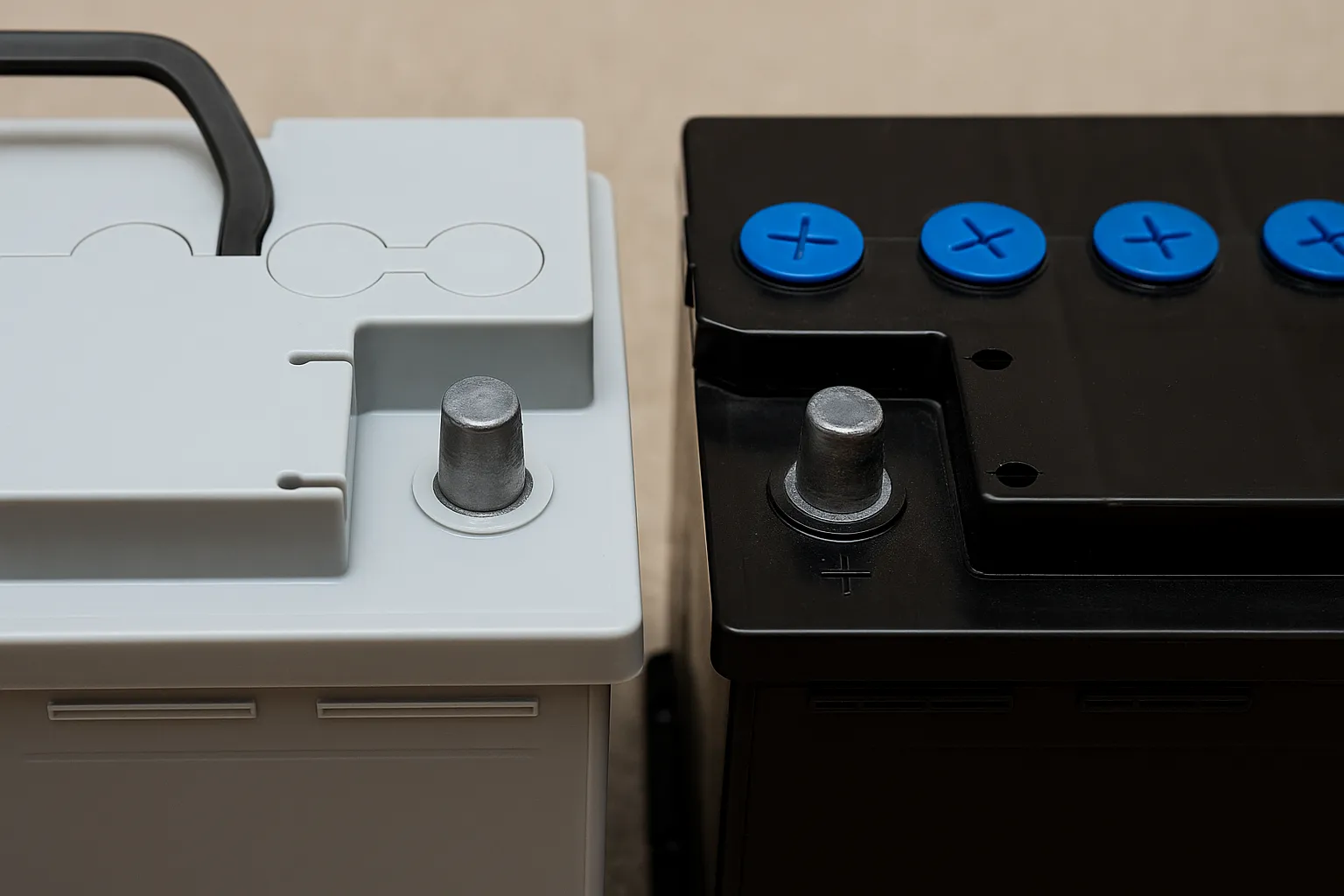
To determine if your battery is AGM or flooded, check the label or consult the manufacturer’s specifications. AGM batteries are typically labeled as such and have a sealed design, while flooded batteries have removable caps for electrolyte maintenance. If in doubt, refer to the vehicle’s manual or contact the manufacturer.
Do AGM batteries last longer than flooded?
AGM batteries generally last longer than flooded batteries due to their sealed design and resistance to environmental factors. They are less prone to damage from vibration and temperature extremes, which contributes to their extended lifespan. However, proper charging and maintenance are essential to maximize their longevity.
Can you use a flooded battery with AGM?
Using a flooded battery with AGM in the same system is not recommended due to differences in charging requirements and performance characteristics. AGM and flooded batteries have different voltage and charging profiles, which can lead to imbalances and reduced efficiency. It’s best to use the same type of battery within a system.
Do AGM batteries charge faster than flooded?
AGM batteries typically charge faster than flooded batteries due to their low internal resistance. This characteristic allows them to accept higher charging currents, reducing the time needed to reach full charge. Faster charging is a significant advantage for applications where downtime needs to be minimized.
Which is better, AGM or flooded battery?
The choice between AGM and flooded batteries depends on the specific application and requirements. AGM batteries are better for applications requiring low maintenance and high durability, while flooded batteries are more cost-effective and suitable for deep cycling. Consider factors like cost, maintenance, and performance when making a decision.