
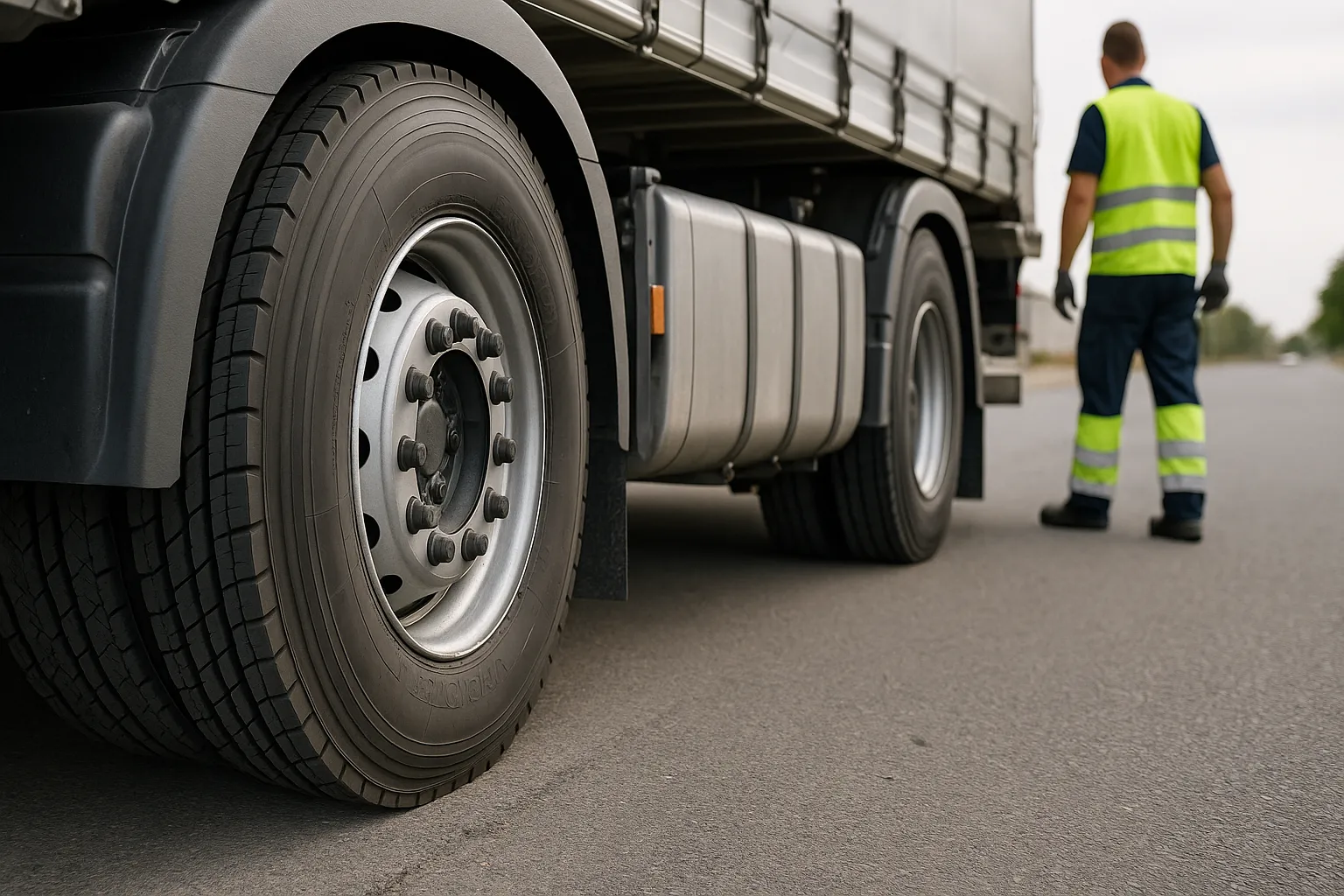
In the dynamic regions of the Middle East, Africa, and South Asia, commercial vehicle tyres play a pivotal role in ensuring the smooth operation of transportation and logistics. As the demand for efficient and reliable transportation grows, understanding the nuances of commercial vehicle tyres becomes essential. This article delves into the key features, innovations, and best practices surrounding commercial vehicle tyres, providing valuable insights for fleet managers and vehicle operators.
What are the key features of commercial vehicle tyres?
Durability and long-lasting performance
Commercial vehicle tyres are engineered for durability, designed to withstand the rigors of long-distance travel and heavy loads. The robust construction of these tyres ensures they can endure the harsh conditions often encountered in the Middle East, Africa, and South Asia. High-quality materials and advanced manufacturing techniques contribute to their extended lifespan, reducing the frequency of replacements and minimizing downtime.
- Reinforced sidewalls for added strength
- High-quality rubber compounds for wear resistance
- Optimized tread patterns for even wear
Fuel efficiency and low rolling resistance
Fuel efficiency is a critical consideration for commercial vehicles, and tyres play a significant role in this aspect. Tyres with low rolling resistance reduce the energy required to move the vehicle, leading to significant fuel savings. This feature is particularly beneficial in regions where fuel costs are high, and efficiency is paramount.
- Specially designed tread patterns to minimize energy loss
- Lightweight construction to reduce rolling resistance
- Enhanced aerodynamics for improved fuel economy
Enhanced traction and handling in various conditions
Commercial vehicle tyres must provide reliable traction and handling across diverse road conditions. Whether navigating urban streets or rugged terrains, these tyres are designed to offer superior grip and stability. This ensures safety and performance, even in challenging environments.
- Deep tread grooves for improved traction
- Advanced rubber compounds for better grip
- Optimized tread designs for various weather conditions
How to choose the right commercial vehicle tyre for your needs?
Understanding tyre size and load ratings
Selecting the appropriate tyre size and load rating is crucial for optimal vehicle performance. Tyre size affects the vehicle’s handling, while load ratings determine the maximum weight the tyre can safely support. Understanding these specifications ensures that the tyres meet the demands of your specific application.
- Consult the vehicle’s manual for recommended tyre sizes
- Check load ratings to match vehicle requirements
- Consider the impact of tyre size on fuel efficiency and handling
Considering application-specific requirements
Different applications require different tyre features. For instance, tyres used in construction may need enhanced durability, while those for urban delivery might prioritize fuel efficiency. Identifying the specific needs of your operation helps in selecting the most suitable tyres.
- Evaluate the typical road conditions encountered
- Consider the average load carried by the vehicle
- Assess the importance of fuel efficiency versus durability
Evaluating tread patterns for optimal performance
Tread patterns significantly influence a tyre’s performance. The right tread design can enhance traction, reduce noise, and improve fuel efficiency. Evaluating the tread patterns based on your operational needs ensures that the tyres deliver the desired performance.
- Symmetrical tread patterns for balanced performance
- Asymmetrical designs for enhanced handling
- Directional patterns for improved water evacuation
What are the latest innovations in commercial vehicle tyre technology?
Smart tyre monitoring systems
Smart tyre monitoring systems are revolutionizing the way fleet managers maintain their vehicles. These systems provide real-time data on tyre pressure, temperature, and wear, allowing for proactive maintenance and reducing the risk of unexpected failures.
- Real-time alerts for pressure and temperature changes
- Data analytics for predictive maintenance
- Integration with fleet management software
Advanced compound materials for improved wear resistance
The development of advanced compound materials has led to tyres that offer superior wear resistance. These materials enhance the tyre’s durability, extending its lifespan and reducing the need for frequent replacements.
- Innovative rubber compounds for enhanced durability
- Improved resistance to cuts and abrasions
- Longer tread life for reduced operational costs
Eco-friendly and sustainable tyre designs
Sustainability is becoming a key focus in tyre manufacturing. Eco-friendly designs not only reduce environmental impact but also offer performance benefits. These tyres are made from sustainable materials and are designed to be more fuel-efficient.
- Use of recycled materials in tyre production
- Designs that reduce rolling resistance for better fuel economy
- Commitment to reducing carbon footprint in manufacturing processes
How do commercial vehicle tyres impact fuel efficiency?
Rolling resistance and its effect on fuel consumption
Rolling resistance is a major factor affecting fuel consumption. Tyres with lower rolling resistance require less energy to move, leading to significant fuel savings. This is particularly important for commercial vehicles, where fuel costs constitute a large portion of operational expenses.
- Lower rolling resistance for improved fuel efficiency
- Impact of tread design on energy consumption
- Benefits of lightweight tyre construction
Proper inflation and maintenance for optimal efficiency
Maintaining the correct tyre pressure is essential for maximizing fuel efficiency. Under-inflated tyres increase rolling resistance, leading to higher fuel consumption. Regular maintenance ensures that tyres remain in optimal condition, contributing to overall efficiency.
- Regular pressure checks to maintain optimal inflation
- Impact of under-inflation on fuel consumption
- Importance of routine maintenance for efficiency
Tyre design features that contribute to fuel savings
Certain design features in commercial vehicle tyres can enhance fuel savings. These include optimized tread patterns, lightweight construction, and advanced materials that reduce energy loss.
- Aerodynamic designs for reduced drag
- Use of advanced materials for lower rolling resistance
- Tread patterns that minimize energy loss
What are the best practices for commercial vehicle tyre maintenance?
Regular inspection and rotation schedules
Regular inspections and tyre rotations are crucial for maintaining tyre health. Inspections help identify potential issues early, while rotations ensure even wear, extending the tyre’s lifespan.
- Scheduled inspections for early issue detection
- Importance of regular tyre rotations
- Benefits of even wear for extended tyre life
Proper inflation and pressure monitoring
Maintaining the correct tyre pressure is vital for safety and performance. Regular pressure checks and monitoring systems help ensure that tyres are always properly inflated, reducing the risk of blowouts and improving fuel efficiency.
- Regular pressure checks for optimal performance
- Impact of proper inflation on safety and efficiency
- Benefits of pressure monitoring systems
Alignment and balancing for even wear
Proper alignment and balancing are essential for even tyre wear. Misalignment can lead to uneven wear, reducing the tyre’s lifespan and affecting vehicle handling. Regular alignment checks help maintain optimal performance.
- Importance of regular alignment checks
- Impact of misalignment on tyre wear
- Benefits of balanced tyres for smooth operation
How do different road conditions affect commercial vehicle tyre performance?
Urban vs. highway driving considerations
Urban and highway driving present different challenges for commercial vehicle tyres. Urban environments often involve frequent stops and starts, requiring tyres with good traction and durability. In contrast, highway driving demands tyres that offer stability and fuel efficiency.
- Frequent stops in urban areas require durable tyres
- Highway driving benefits from low rolling resistance
- Importance of selecting tyres based on driving conditions
Adapting to varying weather and temperature conditions
Weather and temperature variations can impact tyre performance. Tyres must be able to adapt to these changes to ensure safety and efficiency. In regions with extreme temperatures, selecting the right tyre compound is crucial.
- Impact of temperature on tyre performance
- Importance of weather-appropriate tyre compounds
- Benefits of all-weather tyres for versatility
Specialized tyres for off-road and construction applications
Off-road and construction applications require specialized tyres designed to handle rough terrains. These tyres offer enhanced durability and traction, ensuring reliable performance in challenging conditions.
- Reinforced construction for off-road durability
- Tread patterns designed for maximum traction
- Importance of selecting application-specific tyres
What are the safety considerations for commercial vehicle tyres?
Importance of proper tread depth
Proper tread depth is crucial for maintaining traction and safety. Worn-out treads can lead to reduced grip, increasing the risk of accidents, especially in wet conditions. Regular checks ensure that tread depth remains within safe limits.
- Impact of tread depth on traction and safety
- Legal requirements for minimum tread depth
- Importance of regular tread inspections
Impact of tyre condition on braking distance
The condition of commercial vehicle tyres directly affects braking distance. Worn or damaged tyres can significantly increase stopping distances, posing a safety risk. Ensuring tyres are in good condition is essential for safe operation.
- Relationship between tyre condition and braking distance
- Importance of regular tyre inspections for safety
- Benefits of maintaining tyres in optimal condition
Regulations and compliance for commercial vehicle tyres
Compliance with regulations is essential for commercial vehicle operations. Tyres must meet specific standards to ensure safety and performance. Understanding and adhering to these regulations is crucial for fleet managers.
- Overview of tyre regulations for commercial vehicles
- Importance of compliance for safety and legality
- Benefits of adhering to industry standards
How can fleet managers optimize commercial vehicle tyre performance?
Implementing tyre management programs
Tyre management programs are essential for optimizing performance and reducing costs. These programs involve regular inspections, maintenance, and data analysis to ensure tyres are in optimal condition.
- Benefits of structured tyre management programs
- Importance of regular inspections and maintenance
- Role of data analysis in optimizing tyre performance
Utilizing data analytics for predictive maintenance
Data analytics can significantly enhance tyre maintenance by predicting potential issues before they occur. This proactive approach reduces downtime and extends tyre lifespan, leading to cost savings.
- Role of data analytics in predictive maintenance
- Benefits of early issue detection for cost savings
- Importance of integrating analytics into maintenance programs
Training drivers on proper tyre care and usage
Driver training is crucial for maintaining tyre health. Educating drivers on proper tyre care and usage can prevent common issues and extend tyre lifespan, contributing to overall efficiency.
- Importance of driver education for tyre care
- Common tyre issues preventable through proper usage
- Benefits of training programs for fleet efficiency
What are the environmental impacts of commercial vehicle tyres?
Recycling and disposal considerations
Proper recycling and disposal of commercial vehicle tyres are essential for minimizing environmental impact. Recycling programs help reduce waste and promote sustainability in the industry.
- Importance of recycling for environmental sustainability
- Overview of tyre disposal regulations
- Benefits of participating in recycling programs
Eco-friendly tyre manufacturing processes
Eco-friendly manufacturing processes are becoming increasingly important in the tyre industry. These processes reduce environmental impact and promote sustainability, aligning with global efforts to reduce carbon footprints.
- Overview of eco-friendly manufacturing techniques
- Benefits of sustainable production for the environment
- Importance of reducing carbon footprint in tyre manufacturing
Reducing carbon footprint through efficient tyre design
Efficient tyre designs contribute to reducing the carbon footprint of commercial vehicles. By enhancing fuel efficiency and using sustainable materials, these designs support environmental goals.
- Role of efficient designs in reducing carbon emissions
- Importance of sustainable materials in tyre production
- Benefits of fuel-efficient tyres for the environment
How do commercial vehicle tyres contribute to overall vehicle performance?
Impact on handling and stability
Commercial vehicle tyres significantly impact handling and stability. Properly designed tyres ensure smooth operation and safety, even under challenging conditions.
- Importance of tyre design for vehicle handling
- Role of stability in safe vehicle operation
- Benefits of optimized tyres for performance
Role in load-bearing capacity
Tyres play a crucial role in a vehicle’s load-bearing capacity. Selecting the right tyres ensures that the vehicle can safely carry its intended load without compromising performance.
- Importance of load ratings for tyre selection
- Impact of tyre choice on load-bearing capacity
- Benefits of appropriate tyres for safe operation
Influence on driver comfort and fatigue reduction
Tyres also influence driver comfort and fatigue. Well-designed tyres reduce road noise and vibrations, contributing to a more comfortable driving experience and reducing driver fatigue.
- Role of tyres in enhancing driver comfort
- Impact of reduced vibrations on fatigue
- Benefits of comfortable tyres for long-distance travel
What are the latest trends in commercial vehicle tyre design?
Integration of IoT and connected tyre technologies
The integration of IoT and connected technologies is transforming commercial vehicle tyres. These innovations provide real-time data and insights, enhancing maintenance and performance.
- Overview of IoT applications in tyre technology
- Benefits of connected tyres for fleet management
- Importance of real-time data for maintenance
Development of run-flat and self-sealing tyres
Run-flat and self-sealing tyres are gaining popularity for their ability to maintain performance even after a puncture. These designs enhance safety and reduce downtime, offering significant benefits for commercial vehicles.
- Advantages of run-flat tyres for safety
- Benefits of self-sealing technology for reduced downtime
- Importance of innovative designs for reliability
Advancements in retread technologies
Retread technologies are advancing, offering cost-effective and sustainable solutions for commercial vehicle tyres. These technologies extend tyre life and reduce waste, aligning with environmental goals.
- Overview of retread technology advancements
- Benefits of retreading for cost savings
- Importance of sustainability in tyre management
How do commercial vehicle tyres affect total cost of ownership?
Initial investment vs. long-term savings
While the initial investment in high-quality tyres may be higher, the long-term savings in maintenance and fuel efficiency often outweigh the costs. Investing in quality tyres is a strategic decision for reducing total cost of ownership.
- Comparison of initial costs and long-term savings
- Importance of quality tyres for cost efficiency
- Benefits of strategic tyre investments
Impact on maintenance and downtime costs
Proper tyre management can significantly reduce maintenance and downtime costs. Regular inspections and maintenance ensure that tyres remain in optimal condition, minimizing unexpected failures and associated costs.
- Role of maintenance in reducing downtime
- Importance of regular inspections for cost savings
- Benefits of proactive tyre management
Fuel efficiency contributions to overall expenses
Fuel efficiency is a major factor in the total cost of ownership for commercial vehicles. Tyres that enhance fuel efficiency contribute to significant savings, reducing overall operational expenses.
- Impact of fuel-efficient tyres on operational costs
- Importance of rolling resistance in fuel savings
- Benefits of efficient tyres for cost management
In conclusion, commercial vehicle tyres are a critical component of transportation efficiency and safety. By understanding their features, innovations, and maintenance practices, fleet managers and operators can optimize performance and reduce costs, ensuring successful operations in the Middle East, Africa, and South Asia.
FAQs
What is the average lifespan of a commercial vehicle tyre?
The average lifespan of a commercial vehicle tyre varies based on usage and maintenance. Typically, these tyres last between 60,000 to 100,000 kilometers. Regular maintenance and proper usage can extend their lifespan significantly.
How often should commercial vehicle tyres be replaced?
Commercial vehicle tyres should be replaced when the tread depth reaches the minimum legal limit or when they show signs of significant wear. Regular inspections help determine the right time for replacement, ensuring safety and performance.
What are the most common causes of commercial vehicle tyre failure?
The most common causes of commercial vehicle tyre failure include under-inflation, overloading, and improper maintenance. Regular inspections and adherence to maintenance schedules can prevent these issues, ensuring tyre longevity and safety.