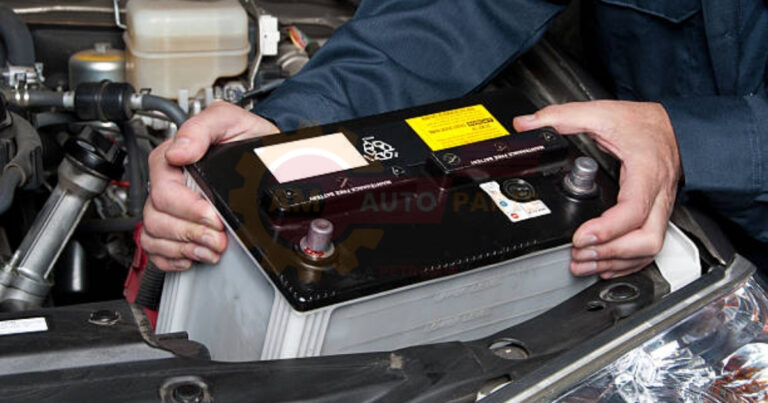

Car batteries are the heart of your vehicle’s electrical system, and understanding their lifespan after a jump start is crucial. This article will guide you through the factors affecting battery longevity, signs that indicate your car battery needs replacement, and tips to extend its lifespan.
Battery Life After Jump Starting

Factors Affecting Battery Longevity
The longevity of a car battery after a jump start can vary based on several factors. The age of the battery is a primary determinant; older batteries tend to have a shorter lifespan post-jump start. Additionally, the condition of the battery before the jump start plays a significant role. If the battery was already weak or damaged, its lifespan might be significantly reduced. Environmental factors such as extreme temperatures can also impact battery life, as they can accelerate the degradation process.
- Age of the Battery : Older batteries have reduced capacity.
- Battery Condition : Pre-existing damage can shorten lifespan.
- Environmental Factors : Extreme temperatures can accelerate wear.
Typical Duration of Jump-Started Batteries
Typically, a jump-started battery can last anywhere from a few days to several months. However, this largely depends on the factors mentioned above. If the battery is relatively new and in good condition, it might continue to function well for a longer period. Conversely, if the battery is old or was severely discharged, it might fail sooner.
- Newer Batteries : Can last several months post-jump start.
- Older Batteries : May only last a few days or weeks.
- Battery Health : Affects overall longevity.
Proper Jump Starting Techniques
Proper jump-starting techniques are essential to ensure the longevity of your car battery. Always use quality jumper cables and ensure the connections are secure. It’s crucial to follow the correct sequence when connecting and disconnecting the cables to prevent damage to the battery or electrical system.
- Use Quality Cables : Ensures better conductivity.
- Secure Connections : Prevents electrical issues.
- Correct Sequence : Avoids potential damage.
5 Key Signs Your Car Battery Needs Replacement
Car Struggling to Start
One of the most apparent signs that your car battery needs replacement is when the car struggles to start. This can manifest as a slow engine crank or multiple attempts to start the vehicle. If you notice this issue frequently, it’s a clear indication that your battery is losing its charge capacity.
- Slow Engine Crank : Indicates reduced battery power.
- Multiple Start Attempts : Sign of a failing battery.
- Frequent Occurrence : Suggests imminent battery failure.
Flickering or Dimming Lights
Flickering or dimming lights are another sign that your car battery might be on its last legs. This happens because the battery is unable to provide consistent power to the vehicle’s electrical components. If you notice your headlights or interior lights flickering, it’s time to check your battery.
- Inconsistent Lighting : Due to insufficient power.
- Headlights and Interior Lights : Commonly affected.
- Immediate Check Required : To prevent further issues.
Dashboard Warning Light Illumination
Modern vehicles are equipped with dashboard warning lights that indicate various issues, including battery problems. If the battery warning light illuminates, it means the battery is not charging correctly. This could be due to a failing alternator or a dying battery.
- Battery Warning Light : Indicates charging issues.
- Possible Alternator Problem : Needs investigation.
- Immediate Attention Needed : To avoid breakdowns.
Electrical Malfunctions
Electrical malfunctions, such as issues with the radio, power windows, or other electronic components, can be a sign of a failing battery. These malfunctions occur because the battery is unable to supply adequate power to all the vehicle’s systems.
- Radio and Power Windows : Commonly affected components.
- Inadequate Power Supply : Causes malfunctions.
- Check Battery Health : To resolve issues.
Visible Corrosion on Battery Terminals
Corrosion on battery terminals is a clear sign that your battery might need replacement. Corrosion can impede the flow of electricity, leading to starting issues and other electrical problems. Regularly inspecting and cleaning the terminals can help maintain battery health.
- Impedes Electricity Flow : Causes starting issues.
- Regular Inspection Needed : To prevent corrosion.
- Cleaning Terminals : Can extend battery life.
What Causes Car Battery Failure

Age and Wear
Car batteries naturally degrade over time due to age and wear. As the battery ages, its ability to hold a charge diminishes, leading to eventual failure. Regular testing and maintenance can help identify when a battery is nearing the end of its life.
- Natural Degradation : Occurs over time.
- Reduced Charge Capacity : With age.
- Regular Testing : Identifies potential issues.
Extreme Temperatures
Extreme temperatures, both hot and cold, can significantly impact battery performance. High temperatures can cause the battery fluid to evaporate, while cold temperatures can reduce the battery’s ability to deliver power.
- High Temperatures : Cause fluid evaporation.
- Cold Temperatures : Reduce power delivery.
- Temperature Management : Essential for battery health.
Frequent Short Trips
Frequent short trips can prevent the battery from fully charging, leading to a gradual loss of capacity. This is because the alternator doesn’t have enough time to recharge the battery during short drives.
- Incomplete Charging : Due to short trips.
- Gradual Capacity Loss : Over time.
- Longer Drives Recommended : To ensure full charge.
Parasitic Drains
Parasitic drains occur when electrical components continue to draw power from the battery even when the vehicle is off. This can lead to a dead battery if not addressed promptly.
- Continuous Power Draw : From electrical components.
- Leads to Dead Battery : If unchecked.
- Identify and Fix Drains : To prevent issues.
How to Test Your Car Battery at Home
Using a Multimeter
A multimeter is a handy tool for testing your car battery at home. By measuring the voltage, you can determine if the battery is in good condition. A fully charged battery should read around 12.6 volts or higher.
- Measures Voltage : To assess battery health.
- Fully Charged Battery : Should read 12.6 volts or more.
- Easy to Use : For home testing.
Load Testing
Load testing involves applying a load to the battery and measuring its performance. This test can help identify if the battery can hold a charge under stress. It’s a more comprehensive test compared to a simple voltage check.
- Applies Load : To test battery performance.
- Identifies Charge Holding Ability : Under stress.
- Comprehensive Test : For accurate results.
Visual Inspection
A visual inspection can reveal signs of battery damage or wear. Look for cracks, leaks, or bulging in the battery case, as these are indicators of a failing battery.
- Check for Damage : Such as cracks or leaks.
- Bulging Case : Indicates internal issues.
- Regular Inspection : Helps identify problems early.
Extending Your Car Battery’s Lifespan
Regular Maintenance Tips
Regular maintenance is key to extending your car battery’s lifespan. This includes cleaning the terminals, checking the fluid levels, and ensuring the battery is securely mounted.
- Clean Terminals : To prevent corrosion.
- Check Fluid Levels : Regularly.
- Secure Mounting : Prevents damage.
Proper Charging Practices
Proper charging practices can help maintain battery health. Avoid overcharging, and ensure the battery is charged fully before use. Using a smart charger can help manage the charging process effectively.
- Avoid Overcharging : To prevent damage.
- Ensure Full Charge : Before use.
- Use Smart Charger : For effective management.
Avoiding Deep Discharges
Avoiding deep discharges can significantly extend your battery’s lifespan. Deep discharges occur when the battery is drained completely, which can damage the internal components.
- Prevent Complete Drainage : To avoid damage.
- Monitor Battery Usage : Regularly.
- Recharge Promptly : After use.
FAQs
How long can you drive after jump starting a car?
After jump starting, you should drive for at least 15-30 minutes to allow the alternator to recharge the battery sufficiently. This helps ensure the battery has enough charge to start the car again. However, if the battery is old or damaged, it may not hold the charge effectively.
Can a car battery go dead from sitting?
Yes, car batteries can discharge over time when not in use. According to the U.S. Department of Energy, a car battery loses about 1% of its charge per day when not in use. This gradual discharge can lead to a dead battery if the car is left unused for an extended period.
How often should you replace your car battery?
On average, car batteries last 3-5 years, but this can vary depending on usage and environmental factors. The National Highway Traffic Safety Administration recommends checking your battery at least twice a year. Regular checks can help identify when a battery is nearing the end of its life.
What happens if you don’t replace your car battery?
Failing to replace an old battery can lead to unexpected breakdowns, damage to other electrical components, and potentially leaving you stranded. An old battery may not hold a charge effectively, leading to frequent starting issues and electrical malfunctions.
Can you recharge a completely dead car battery?
In some cases, a completely dead battery can be recharged, but it may have reduced capacity or a shorter lifespan. The Battery Council International states that deeply discharged batteries may only retain 60-70% of their original capacity even after recharging. It’s often more reliable to replace a battery that has been deeply discharged.