

In today’s fast-paced world, ensuring spare part authenticity is crucial, especially when buying in bulk. Counterfeit parts can lead to significant risks, including safety hazards and financial losses. This guide will help you understand how to identify genuine spare parts and the importance of using authentic components.
Spare Part Authenticity
Definition and Importance
Spare part authenticity refers to the genuineness of parts used in machinery, vehicles, or any equipment. Authentic parts are manufactured by the original equipment manufacturer (OEM) or authorized suppliers. Ensuring authenticity is vital because it guarantees the part’s quality, performance, and compatibility with the equipment.
Risks of Counterfeit Parts
Counterfeit parts pose numerous risks, including reduced performance and potential safety hazards. These parts are often made from substandard materials, leading to premature wear and tear. Using counterfeit parts can void warranties and result in costly repairs or replacements.
Benefits of Genuine Components
Genuine components offer several benefits, such as enhanced performance, reliability, and safety. They are designed to meet the manufacturer’s specifications, ensuring optimal functionality. Authentic parts also come with warranties, providing peace of mind and long-term cost savings.
- Enhanced performance and reliability
- Safety assurance
- Warranty protection
- Long-term cost savings
Identifying Genuine Spare Parts
Manufacturer Certifications
One of the most reliable ways to ensure spare part authenticity is by checking for manufacturer certifications. These certifications indicate that the part has been tested and approved by the OEM. Always look for certification labels or documents when purchasing spare parts.
Packaging and Labeling Indicators
Authentic spare parts often come with specific packaging and labeling indicators. These may include holograms, barcodes, or unique serial numbers. Pay attention to the quality of the packaging and any discrepancies in labeling, as these can be signs of counterfeit products.
Serial Number Verification
Verifying the serial number is another effective method to confirm authenticity. Manufacturers often provide online tools or customer service support to check the validity of a part’s serial number. This step ensures that the part is genuine and not a counterfeit.
- Manufacturer certifications
- Packaging with holograms or barcodes
- Serial number verification tools
The Impact of Authentic Parts on Performance
Longevity and Reliability
Authentic spare parts are designed to last longer and perform reliably. They are made from high-quality materials and undergo rigorous testing to ensure durability. This longevity reduces the frequency of replacements and maintenance, saving time and money.
Safety Considerations
Safety is a paramount concern when it comes to spare parts. Genuine parts are engineered to meet safety standards, reducing the risk of malfunctions or accidents. Using authentic components ensures that your equipment operates safely and efficiently.
Cost-Effectiveness in the Long Run
While genuine parts may have a higher upfront cost, they are more cost-effective in the long run. Their durability and reliability mean fewer replacements and repairs, leading to significant savings over time. Investing in authentic parts is a smart financial decision.
- Longer lifespan and reliability
- Enhanced safety standards
- Long-term cost savings
Sourcing Authentic Spare Parts
Authorized Dealers and Distributors
Purchasing from authorized dealers and distributors is one of the best ways to ensure spare part authenticity. These sellers have direct relationships with manufacturers and are more likely to provide genuine parts. Always verify the dealer’s credentials before making a purchase.
Online Marketplaces and Authenticity Checks
Online marketplaces can be convenient for buying spare parts, but they also pose risks of counterfeit products. Look for sellers with high ratings and positive reviews. Use authenticity checks, such as serial number verification, to confirm the genuineness of the parts.
Direct Purchases from Manufacturers
Buying directly from manufacturers is another reliable option for obtaining authentic spare parts. This method eliminates intermediaries and reduces the risk of counterfeit products. Manufacturers often offer warranties and support for direct purchases.
- Authorized dealers and distributors
- Online marketplace reviews and checks
- Direct manufacturer purchases
Technology in Spare Part Authentication
QR Codes and RFID Tags
Technology plays a significant role in ensuring spare part authenticity. QR codes and RFID tags are commonly used to track and verify parts. Scanning these codes provides information about the part’s origin, manufacturing date, and authenticity.
Blockchain for Supply Chain Transparency
Blockchain technology offers a transparent and secure way to track spare parts throughout the supply chain. It provides an immutable record of a part’s journey from manufacturer to end-user, ensuring authenticity and reducing the risk of counterfeiting.
AI-Powered Counterfeit Detection
Artificial intelligence (AI) is increasingly being used to detect counterfeit parts. AI algorithms can analyze patterns and identify discrepancies in parts, helping manufacturers and consumers ensure authenticity. This technology enhances the accuracy and efficiency of counterfeit detection.
- QR codes and RFID tags for tracking
- Blockchain for supply chain transparency
- AI-powered counterfeit detection
The Role of Spare Part Authenticity in Warranty Claims
Manufacturer Policies on Non-Genuine Parts
Manufacturers often have strict policies regarding the use of non-genuine parts. Using counterfeit or unauthorized parts can void warranties, leaving consumers responsible for repair costs. It’s crucial to understand these policies before purchasing spare parts.
Documentation Requirements for Warranty
When filing a warranty claim, documentation is essential. Keep records of purchase receipts, certifications, and serial numbers to support your claim. Proper documentation ensures a smooth warranty process and helps verify the authenticity of the parts used.
- Manufacturer warranty policies
- Importance of documentation
- Risks of using non-genuine parts
Industry Standards for Spare Part Quality
ISO Certifications
ISO certifications are a hallmark of quality and authenticity in spare parts. These certifications indicate that the parts meet international standards for quality and performance. Look for ISO-certified parts to ensure reliability and authenticity.
Quality Control Processes
Manufacturers implement rigorous quality control processes to ensure spare part authenticity. These processes involve testing and inspection at various stages of production. Quality control ensures that only genuine and high-quality parts reach the market.
Material Testing and Validation
Material testing and validation are crucial for ensuring the authenticity of spare parts. Manufacturers test materials for durability, strength, and compatibility with equipment. This testing guarantees that the parts meet the required standards and specifications.
- ISO certifications for quality assurance
- Rigorous quality control processes
- Material testing and validation
Legal Implications of Counterfeit Spare Parts
Consumer Protection Laws
Consumer protection laws are in place to safeguard buyers from counterfeit spare parts. These laws hold sellers accountable for providing genuine products and offer recourse for consumers who receive counterfeit parts. Understanding these laws can help protect your rights as a buyer.
Liability Issues for Sellers and Manufacturers
Sellers and manufacturers face significant liability issues when dealing with counterfeit parts. They can be held responsible for damages caused by counterfeit products, leading to legal and financial repercussions. Ensuring spare part authenticity is crucial to avoid these liabilities.
- Consumer protection laws
- Seller and manufacturer liabilities
- Legal consequences of counterfeit parts
Environmental Impact of Authentic vs. Counterfeit Parts
Sustainability in Manufacturing
Authentic spare parts are often produced with sustainability in mind. Manufacturers use eco-friendly materials and processes to minimize environmental impact. In contrast, counterfeit parts may be produced without regard for environmental standards, contributing to pollution and waste.
Recycling and Disposal Considerations
Genuine parts are designed for easy recycling and disposal, reducing their environmental footprint. Manufacturers often provide guidelines for proper disposal and recycling of parts. Counterfeit parts, on the other hand, may not be recyclable, leading to increased waste.
- Sustainable manufacturing practices
- Recycling and disposal guidelines
- Environmental impact of counterfeit parts
Future Trends in Spare Part Authentication
Advanced Tracking Technologies
The future of spare part authentication lies in advanced tracking technologies. Innovations such as IoT-enabled sensors and smart labels are being developed to enhance tracking and verification. These technologies provide real-time data on a part’s authenticity and condition.
Global Initiatives Against Counterfeiting
Global initiatives are underway to combat the trade of counterfeit spare parts. Organizations and governments are collaborating to develop standards and regulations to prevent counterfeiting. These efforts aim to protect consumers and ensure the availability of genuine parts.
- IoT-enabled tracking technologies
- Global anti-counterfeiting initiatives
- Future trends in spare part authentication
According to the World Customs Organization, the global trade in counterfeit parts is estimated to be worth $1.7 trillion annually. This staggering figure highlights the importance of ensuring spare part authenticity to protect consumers and industries worldwide.
FAQs
What are the Consequences of Using Counterfeit Spare Parts?
Using counterfeit spare parts can lead to severe consequences, including equipment failure and safety hazards. These parts often lack the quality and durability of genuine components, resulting in frequent breakdowns. Additionally, counterfeit parts can void warranties and lead to costly repairs.
How Can I Tell if a Spare Part is Genuine?
To determine if a spare part is genuine, check for manufacturer certifications, packaging indicators, and serial numbers. Verify these details with the manufacturer or authorized dealer. Additionally, purchase from reputable sources to reduce the risk of counterfeit parts.
Are Aftermarket Parts as Good as OEM?
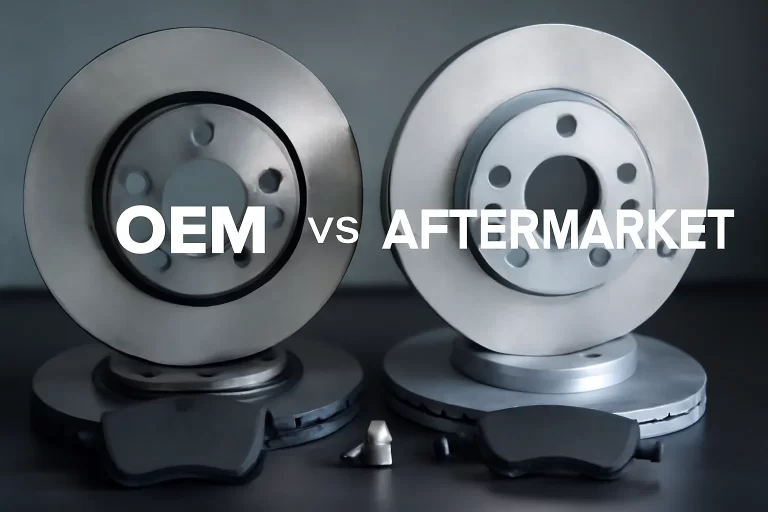
Aftermarket parts can be a viable alternative to OEM parts, but their quality varies. Some aftermarket parts are made to high standards and can perform as well as OEM parts. However, it’s essential to research and choose reputable aftermarket brands to ensure quality and compatibility.