
Types of RV Batteries
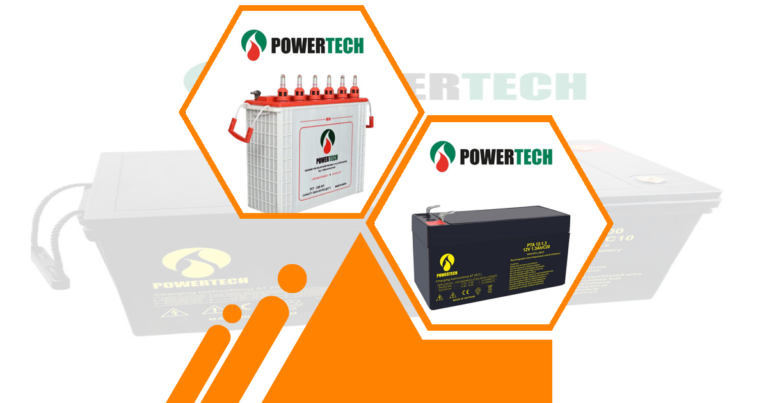
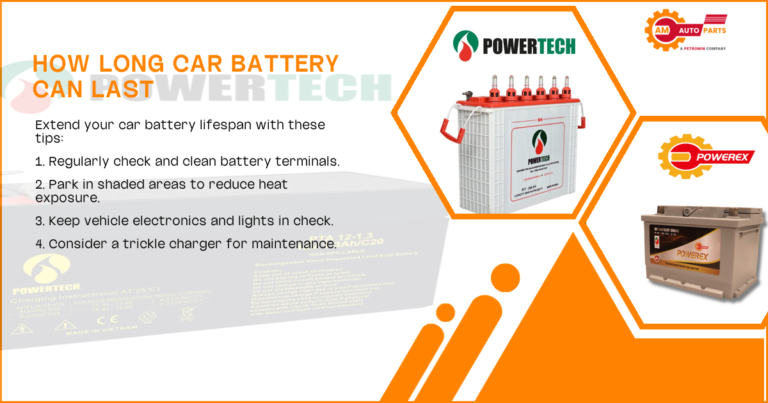
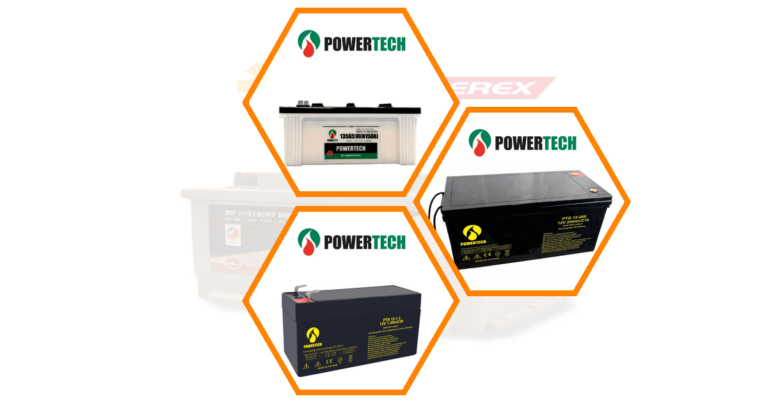
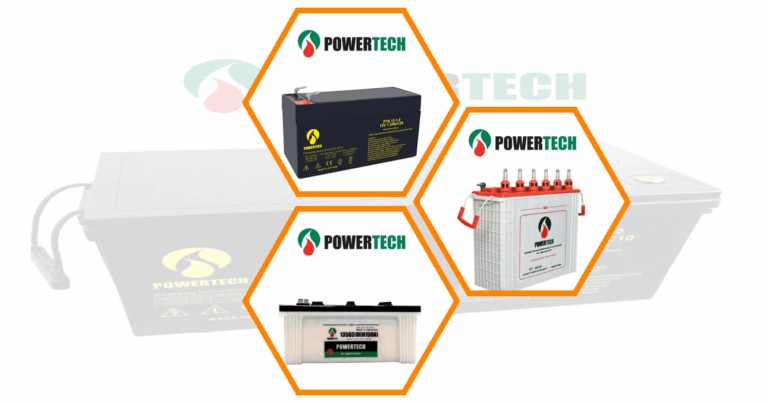
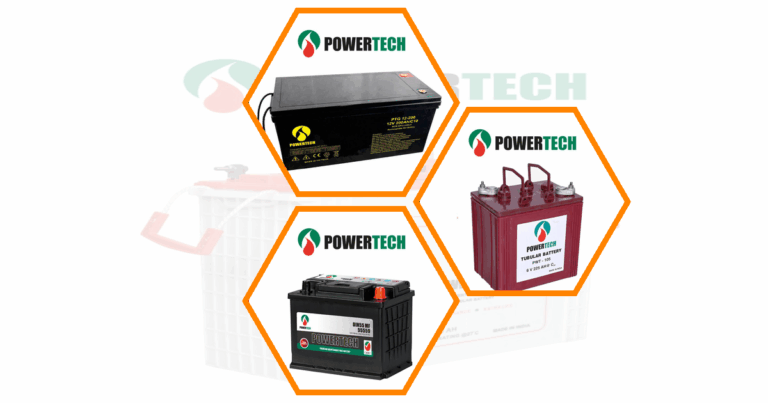
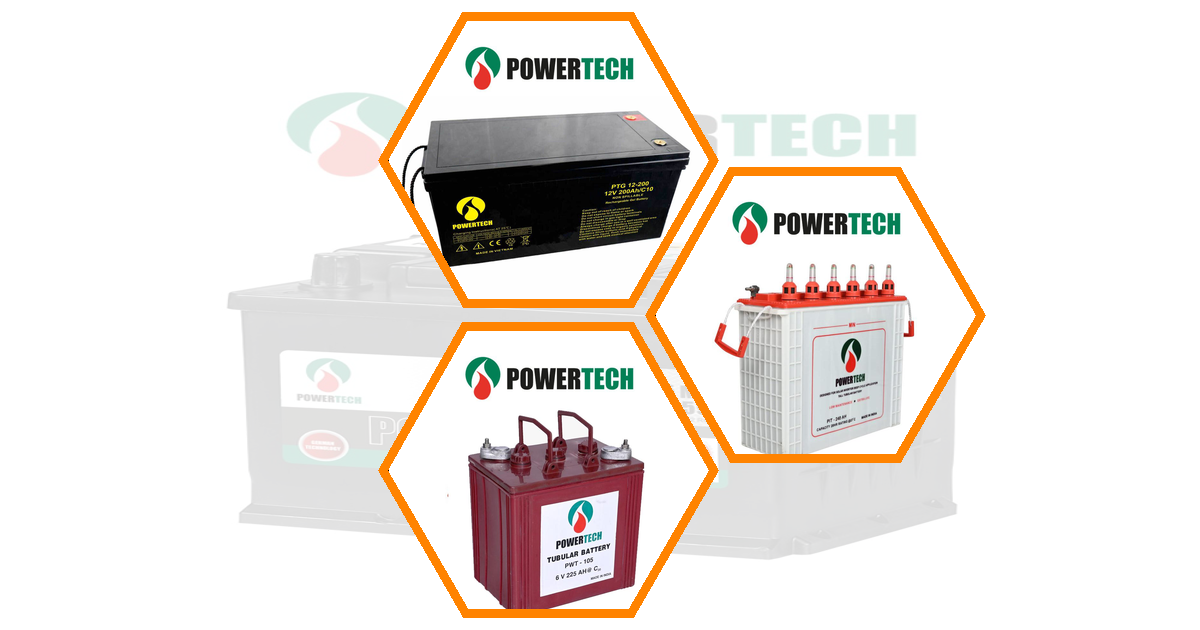
RV batteries are the heart of your recreational vehicle’s electrical system. They come in various types, including lead-acid, AGM (Absorbent Glass Mat), and lithium-ion. Each type has its own advantages and disadvantages, affecting performance, lifespan, and maintenance needs. Lead-acid batteries are the most common due to their affordability, while AGM batteries offer better performance and are maintenance-free. Lithium-ion batteries, though more expensive, provide longer life and faster charging.
- Lead-Acid Batteries : Affordable, require regular maintenance.
- AGM Batteries : Maintenance-free, better performance.
- Lithium-Ion Batteries : Long-lasting, fast charging, higher cost.
Importance of Proper Battery Connections
Proper battery connections are crucial for the efficient functioning of your RV’s electrical system. Secure connections ensure that power flows smoothly from the battery to the appliances, preventing voltage drops and potential damage. Loose connections can lead to power loss, increased resistance, and even dangerous situations like short circuits.
- Ensures Efficient Power Flow : Prevents voltage drops.
- Prevents Damage : Avoids short circuits and electrical issues.
- Enhances Safety : Reduces risk of fire and electrical hazards.
Common Causes of Loose Connections
Loose battery connections in RVs can be caused by several factors. Vibration from driving, improper installation, and corrosion are the most common culprits. Over time, these factors can loosen the connections, leading to intermittent power issues and potential safety hazards.
- Vibration : Movement during travel can loosen connections.
- Improper Installation : Incorrectly attached cables can become loose.
- Corrosion : Build-up on terminals can weaken connections.
Signs of Loose Battery Connections in RVs

Zero Power After Starting
One of the most obvious signs of a loose battery connection is experiencing zero power after attempting to start your RV. This occurs because the electrical circuit is incomplete, preventing the battery from delivering power to the starter motor. Checking and tightening the connections can often resolve this issue.
- Incomplete Circuit : Prevents power delivery.
- Immediate Check Required : Tighten connections to restore power.
- Common Symptom : Often the first sign of a problem.
Intermittent Electrical Issues
Intermittent electrical issues, such as flickering lights or appliances that work sporadically, can also indicate loose battery connections. These issues arise when the connection is not stable, causing fluctuations in power delivery.
- Flickering Lights : Unstable power flow.
- Sporadic Appliance Function : Inconsistent power delivery.
- Requires Inspection : Check connections for stability.
Visible Corrosion or Damage
Corrosion or visible damage on battery terminals is a clear sign of potential connection issues. Corrosion can increase resistance, leading to poor performance and eventual failure of the electrical system.
- Increased Resistance : Affects performance.
- Potential Failure : Can lead to system breakdown.
- Needs Cleaning : Regular maintenance required.
Dangers of Loose Battery Connections

Battery Case Melting
Loose connections can cause excessive heat build-up, leading to the melting of the battery case. This is a serious safety hazard that can result in battery failure and potential fire risks.
- Excessive Heat : Caused by poor connections.
- Safety Hazard : Risk of fire and battery failure.
- Immediate Action Needed : Tighten connections to prevent damage.
Risk of Fire and Electrical Damage
The risk of fire and electrical damage is significantly increased with loose battery connections. Sparks from poor connections can ignite flammable materials, while electrical surges can damage sensitive RV appliances.
- Increased Fire Risk : Sparks can ignite materials.
- Electrical Surges : Can damage appliances.
- Safety Precaution : Ensure secure connections.
Impact on RV Appliances and Systems
Loose connections can lead to inconsistent power supply, affecting the performance of RV appliances and systems. This can result in malfunctioning equipment and increased wear and tear.
- Inconsistent Power Supply : Affects appliance performance.
- Increased Wear and Tear : Shortens lifespan of equipment.
- Regular Checks Needed : Maintain connection integrity.
Proper Battery Cable Installation Techniques
Choosing the Right Cable Size
Selecting the appropriate cable size is essential for efficient power transmission. Cables that are too small can overheat, while oversized cables are unnecessarily costly. The right size ensures optimal performance and safety.
- Optimal Performance : Correct size prevents overheating.
- Cost-Effective : Avoids unnecessary expenses.
- Safety Assurance : Reduces risk of electrical issues.
Correct Terminal Lug Attachment
Proper attachment of terminal lugs is crucial for secure connections. Lugs should be crimped and soldered correctly to ensure a stable and reliable connection, minimizing the risk of loosening over time.
- Secure Connection : Crimped and soldered properly.
- Minimizes Loosening : Ensures long-term stability.
- Reliable Performance : Reduces risk of failure.
Use of Appropriate Fasteners and Washers
Using the right fasteners and washers is vital for maintaining secure battery connections. Nyloc nuts and lock washers are recommended to prevent loosening due to vibration and movement.
- Prevents Loosening : Nyloc nuts and lock washers.
- Ensures Stability : Maintains secure connections.
- Reduces Maintenance : Less frequent tightening needed.
Maintenance and Inspection of RV Battery Connections
Regular Check-Up Schedule
Establishing a regular check-up schedule for your RV battery connections is essential for preventing issues. Regular inspections help identify potential problems early, allowing for timely maintenance and repairs.
- Early Problem Detection : Regular inspections.
- Timely Maintenance : Prevents major issues.
- Consistent Performance : Ensures reliable power supply.
Cleaning Battery Terminals
Cleaning battery terminals is a simple yet effective way to maintain good connections. Removing corrosion and build-up ensures efficient power flow and reduces the risk of connection issues.
- Efficient Power Flow : Clean terminals.
- Reduces Corrosion : Prevents build-up.
- Simple Maintenance : Easy to perform regularly.
Tightening Loose Connections
Regularly tightening loose connections is crucial for maintaining a stable electrical system. Ensuring that all connections are secure prevents power loss and potential safety hazards.
- Stable Electrical System : Tight connections.
- Prevents Power Loss : Ensures efficient power delivery.
- Safety Assurance : Reduces risk of hazards.
Battery Connection Standards and Best Practices
ABYC Standards for Marine Applications
The American Boat and Yacht Council (ABYC) standards provide guidelines for safe battery connections in marine applications, which can also be applied to RVs. These standards ensure that connections are secure and reliable.
- Secure Connections : ABYC guidelines.
- Reliable Performance : Ensures safety and efficiency.
- Applicable to RVs : Adaptable standards.
RV Industry Recommendations
The RV industry provides specific recommendations for battery connections to ensure safety and performance. Following these guidelines helps maintain a reliable electrical system.
- Safety and Performance : Industry recommendations.
- Reliable Electrical System : Ensures consistent power.
- Guideline Compliance : Adheres to best practices.
Safety Guidelines for DIY Maintenance
For those who prefer DIY maintenance, following safety guidelines is crucial. Proper tools, protective gear, and adherence to recommended practices ensure safe and effective maintenance.
- Proper Tools : Essential for safe maintenance.
- Protective Gear : Ensures personal safety.
- Recommended Practices : Follow guidelines for best results.
Selecting the Right Battery Fasteners
Nyloc Nuts vs. Standard Nuts
Nyloc nuts are preferred over standard nuts for battery connections due to their ability to resist loosening from vibration. They provide a more secure connection, reducing the need for frequent tightening.
- Resists Loosening : Nyloc nuts are more secure.
- Less Maintenance : Reduces need for frequent checks.
- Preferred Choice : Better for RV applications.
Stainless Steel vs. Other Materials
Stainless steel fasteners are commonly used for battery connections due to their corrosion resistance. While not the best conductor, their durability and resistance to rust make them a popular choice.
- Corrosion Resistance : Stainless steel is durable.
- Long-Lasting : Reduces need for replacements.
- Popular Choice : Commonly used in RVs.
Lock Washers and Their Importance
Lock washers are essential for maintaining secure battery connections. They prevent nuts from loosening due to vibration, ensuring a stable and reliable connection.
- Prevents Loosening : Lock washers are effective.
- Ensures Stability : Maintains secure connections.
- Reliable Performance : Reduces risk of issues.
Preventing Battery Connection Issues
Proper Torque Specifications
Using the correct torque specifications when tightening battery connections is crucial for preventing issues. Over-tightening can damage components, while under-tightening can lead to loose connections.
- Prevents Damage : Correct torque avoids over-tightening.
- Ensures Security : Properly tightened connections.
- Reduces Issues : Minimizes risk of problems.
Using Anti-Corrosion Products
Applying anti-corrosion products to battery terminals can help prevent build-up and maintain good connections. These products create a protective barrier, reducing the risk of corrosion.
- Prevents Corrosion : Protective barrier.
- Maintains Connections : Ensures efficient power flow.
- Simple Application : Easy to use regularly.
Regular Battery Health Checks
Conducting regular battery health checks is essential for preventing connection issues. Monitoring voltage levels and overall battery condition helps identify potential problems early.
- Early Problem Detection : Regular checks.
- Ensures Performance : Maintains battery health.
- Prevents Issues : Identifies problems early.
Troubleshooting RV Electrical Systems
Identifying the Source of Electrical Problems
Identifying the source of electrical problems in your RV is the first step in troubleshooting. Checking battery connections, fuses, and wiring can help pinpoint the issue, allowing for targeted repairs.
- Targeted Repairs : Identify the problem source.
- Efficient Troubleshooting : Focus on specific areas.
- Reduces Downtime : Quick resolution of issues.
Tools for Diagnosing Battery Connection Issues
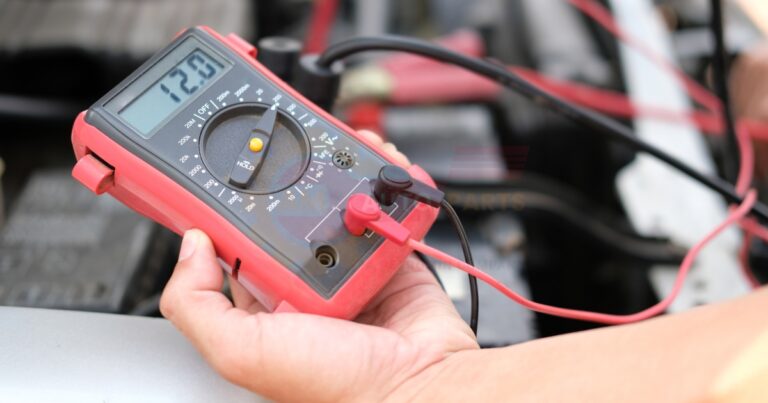
Having the right tools is essential for diagnosing battery connection issues. A multimeter, wire brush, and terminal cleaner are useful for checking connections and ensuring they are secure.
- Essential Tools : Multimeter, wire brush, terminal cleaner.
- Ensures Secure Connections : Proper diagnosis.
- Facilitates Repairs : Quick and effective.
When to Seek Professional Help
Knowing when to seek professional help is crucial for maintaining your RV’s electrical system. If issues persist despite troubleshooting, or if you’re unsure about repairs, consulting a professional can prevent further damage.
- Persistent Issues : Seek professional assistance.
- Prevents Further Damage : Expert repairs.
- Ensures Safety : Professional guidance.
Upgrading RV Battery Systems
Considerations for Larger Capacity Batteries
Upgrading to larger capacity batteries can enhance your RV’s power supply. Consider factors like space, weight, and compatibility with existing systems before making a decision.
- Enhanced Power Supply : Larger capacity.
- Compatibility Check : Ensure system compatibility.
- Space and Weight : Consider physical constraints.
Improving Connection Quality
Improving connection quality is essential when upgrading your battery system. Using high-quality cables, connectors, and fasteners ensures reliable performance and reduces the risk of issues.
- Reliable Performance : High-quality components.
- Reduces Risk : Minimizes connection issues.
- Ensures Efficiency : Optimal power delivery.
Adding Battery Monitoring Systems
Adding a battery monitoring system can help you keep track of your RV’s power usage and battery health. These systems provide real-time data, allowing for better management and maintenance.
- Real-Time Data : Monitors power usage.
- Better Management : Informed decisions.
- Maintains Battery Health : Early problem detection.
According to the RV Industry Association, 11.2 million households own an RV as of 2021. This growing number highlights the importance of understanding and maintaining RV battery connections to ensure safety and performance. Additionally, the National Fire Protection Association reports that an estimated 20,000 RV fires occur annually in the United States, emphasizing the need for proper battery maintenance and connection security.
FAQs
Why is there zero power after trying to start with a loose battery connection?
Zero power after attempting to start your RV is often due to a loose battery connection. This issue prevents the battery from delivering power to the starter motor, resulting in a failure to start. Checking and tightening the connections can usually resolve this problem, restoring power and functionality.
What is the melting point of a typical RV battery case?
The melting point of a typical RV battery case, usually made of polypropylene, is around 160°C (320°F). This high melting point helps prevent damage under normal operating conditions. However, excessive heat from loose connections can still pose a risk, emphasizing the importance of secure connections.
Why do battery manufacturers use stainless steel nuts and posts if it’s a poor conductor?
Battery manufacturers use stainless steel nuts and posts because of their excellent corrosion resistance and durability. While not the best conductor, stainless steel’s ability to withstand harsh environments makes it a suitable choice for battery connections. This ensures long-lasting and reliable performance in various conditions.