
What Is a Slow Tire Leak?

A slow tire leak is a gradual loss of air pressure in a vehicle’s tire over time. Unlike a sudden flat tire, slow leaks can be difficult to detect and may persist for days or even weeks before becoming noticeable. These leaks can occur due to various reasons, such as small punctures, damaged valve stems, or worn-out tire components.
Slow tire leaks pose a significant safety risk as they can lead to underinflated tires, which affect vehicle handling, fuel efficiency, and overall tire performance. Understanding the nature of slow leaks is crucial for maintaining proper tire health and ensuring safe driving conditions.
Key characteristics of slow tire leaks:
- Gradual air pressure loss
- Often unnoticeable at first
- Can persist for extended periods
- May require regular tire pressure checks to detect
How to Identify a Slow Tire Leak

Identifying a slow tire leak early can prevent more serious tire problems and potential safety hazards. There are several methods to detect these elusive leaks, ranging from simple visual inspections to more advanced techniques.
Visual Inspection
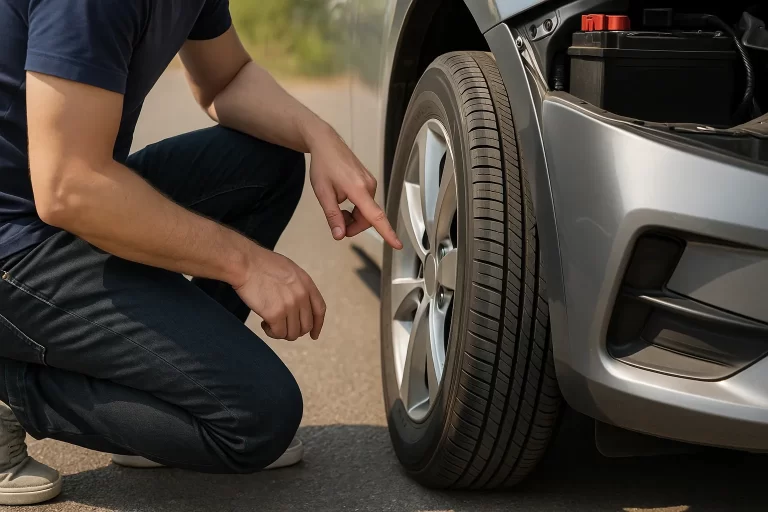
A thorough visual inspection is the first step in identifying a slow tire leak. This method involves carefully examining the tire’s surface, sidewalls, and tread area for any signs of damage or foreign objects.
When conducting a visual inspection:
- Look for any visible punctures or cuts in the tire
- Check for bulges or blisters on the tire’s surface
- Examine the tire’s tread for embedded objects like nails or screws
- Inspect the valve stem for damage or corrosion
Remember to check all tires, including the spare, as slow leaks can occur in any tire at any time.
Pressure Monitoring
Regular pressure monitoring is essential for detecting slow tire leaks. Modern vehicles are equipped with Tire Pressure Monitoring Systems (TPMS) that alert drivers when tire pressure drops below a certain threshold. However, manual checks using a tire pressure gauge are still important.
Steps for effective pressure monitoring:
- Check tire pressure at least once a month
- Measure pressure when tires are cold (before driving)
- Compare readings to the manufacturer’s recommended pressure
- Keep a log of pressure readings to track changes over time
Soapy Water Test
The soapy water test is a simple yet effective method for locating the exact source of a slow tire leak. This technique involves applying a mixture of soap and water to the tire’s surface and observing for bubbles that indicate escaping air.
To perform the soapy water test:
- Mix dish soap with water in a spray bottle
- Spray the solution generously over the tire’s surface, including the valve stem
- Watch for bubbles forming, which indicate the location of the leak
- Mark the leak site for easy identification during repair
Common Causes of Slow Tire Leaks
Understanding the common causes of slow tire leaks can help drivers prevent and address these issues more effectively. Several factors can contribute to the gradual loss of air pressure in tires.
Tire Punctures
Small punctures are a frequent cause of slow tire leaks. These can occur when driving over sharp objects like nails, screws, or glass shards. Often, the object remains lodged in the tire, creating a small hole that allows air to escape slowly.
Characteristics of tire punctures:
- May be difficult to spot visually
- Can occur in the tread area or sidewall
- Often caused by road debris
- May seal temporarily when the puncturing object remains in place
Valve Stem Damage
The valve stem is a critical component that allows for tire inflation and seals air inside the tire. Damage to the valve stem can lead to slow leaks that are often overlooked.
Common valve stem issues:
- Cracked or worn valve stems
- Loose valve cores
- Corrosion or debris in the valve
- Physical damage from curbs or road hazards
Bead and Rim Leaks
The bead is the edge of the tire that seals against the wheel rim. Leaks can occur if this seal is compromised due to various factors.
Causes of bead and rim leaks:
- Corrosion on the wheel rim
- Bent or damaged wheel rims
- Improper tire mounting
- Age-related deterioration of the tire bead
Normal Wear and Tear
Over time, tires naturally degrade, which can lead to slow leaks. This wear and tear can affect various parts of the tire, making it more susceptible to air loss.
Factors contributing to normal wear and tear:
- Age of the tire
- Exposure to extreme temperatures
- UV radiation damage
- Frequent driving on rough roads
How to Fix a Slow Leak in a Car Tire
Addressing a slow tire leak promptly is crucial for maintaining vehicle safety and performance. Depending on the severity and location of the leak, there are both temporary and permanent solutions available.
Temporary Fixes
Temporary fixes can be useful in emergency situations or when immediate professional help is not available. However, these solutions should not be considered long-term repairs.
Common temporary fixes include:
- Tire sealant products
- Plug kits for small punctures
- Inflating the tire and monitoring pressure frequently
It’s important to note that temporary fixes are not suitable for all types of leaks and may not be safe for high-speed or long-distance driving.
Professional Repair Options
For a permanent and safe solution, professional tire repair is often the best choice. Certified technicians at reputable service centers like AM Autoparts can accurately diagnose and fix slow tire leaks.
Professional repair options may include:
- Patching the tire from the inside
- Replacing the valve stem
- Repairing or replacing the wheel rim
- Tire replacement if the damage is extensive
When choosing a repair method, factors such as the location and size of the leak, as well as the overall condition of the tire, must be considered.
Preventing Slow Tire Leaks
Preventing slow tire leaks is an essential aspect of vehicle maintenance that can save time, money, and potential safety hazards. By implementing a few preventive measures, drivers can significantly reduce the risk of experiencing slow leaks.
Regular Tire Maintenance
Consistent tire maintenance is key to preventing slow leaks and ensuring optimal tire performance. Regular check-ups can help identify potential issues before they become serious problems.
Key aspects of regular tire maintenance:
- Monthly tire pressure checks
- Tire rotation every 5,000 to 8,000 miles
- Annual tire inspections by a professional
- Balancing tires when necessary
Proper Tire Inflation
Maintaining proper tire inflation is crucial not only for preventing slow leaks but also for ensuring optimal tire performance and longevity.
Benefits of proper tire inflation:
- Reduced risk of tire damage
- Improved fuel efficiency
- Even tire wear
- Better vehicle handling and stability
Avoiding Road Hazards
Being mindful of road conditions and potential hazards can significantly reduce the risk of tire damage that leads to slow leaks.
Tips for avoiding road hazards:
- Stay alert for debris on the road
- Avoid potholes when possible
- Be cautious when parking near curbs
- Drive at appropriate speeds for road conditions
Understanding Tire Pressure Monitoring Systems (TPMS)
Tire Pressure Monitoring Systems (TPMS) have become a standard safety feature in modern vehicles, playing a crucial role in detecting slow tire leaks and maintaining proper tire pressure.
How TPMS Works
TPMS uses sensors to monitor the air pressure inside each tire and alerts the driver when one or more tires are significantly underinflated. There are two main types of TPMS: direct and indirect.
Direct TPMS uses pressure sensors inside each tire to measure air pressure accurately. Indirect TPMS, on the other hand, uses the vehicle’s anti-lock braking system (ABS) to detect differences in wheel rotation speeds, which can indicate low tire pressure.
Key features of TPMS:
- Real-time tire pressure monitoring
- Dashboard warning lights for low pressure
- Some systems display individual tire pressures
- Can detect slow leaks before they become noticeable
TPMS Warnings and What They Mean
Understanding TPMS warnings is essential for addressing potential tire issues promptly. When the TPMS warning light illuminates on your dashboard, it’s crucial to take action.
Common TPMS warnings and their meanings:
- Solid TPMS light: One or more tires are significantly underinflated
- Flashing TPMS light: Possible system malfunction or low battery in TPMS sensors
- “TPMS Service Required” message: System needs professional inspection or repair
When you see a TPMS warning, check your tire pressures as soon as it’s safe to do so. If the warning persists after properly inflating the tires, consult a professional for further diagnosis.
The Importance of Proper Tire Pressure
Maintaining proper tire pressure is crucial for vehicle safety, performance, and efficiency. It plays a significant role in preventing slow leaks and extending tire life.
Impact on Fuel Economy
Properly inflated tires can significantly improve your vehicle’s fuel economy. Underinflated tires create more rolling resistance, forcing the engine to work harder and consume more fuel.
Fuel economy benefits of proper tire inflation:
- Up to 3% improvement in fuel efficiency
- Reduced CO2 emissions
- Lower fuel costs over time
- Improved engine performance
Effect on Tire Wear and Longevity
Tire pressure directly affects how your tires wear over time. Incorrect pressure can lead to uneven wear patterns, reducing tire lifespan and performance.
How proper inflation affects tire wear:
- Even tread wear across the tire surface
- Reduced risk of premature tire failure
- Extended tire life, saving money on replacements
- Improved handling and traction
Safety Considerations
Perhaps the most critical aspect of proper tire pressure is its impact on vehicle safety. Correctly inflated tires provide optimal performance in various driving conditions.
Safety benefits of proper tire pressure:
- Better vehicle handling and stability
- Reduced risk of tire blowouts
- Improved braking performance
- Enhanced traction in wet conditions
When to Replace vs. Repair a Tire
Deciding whether to repair or replace a tire with a slow leak depends on several factors. Understanding these factors can help you make an informed decision about your tire’s future.
Assessing Tire Damage
The extent and location of tire damage play a crucial role in determining whether a tire can be safely repaired or needs replacement.
Factors to consider when assessing tire damage:
- Size of the puncture or damage
- Location of the damage (tread area vs. sidewall)
- Number of previous repairs on the tire
- Overall condition of the tire
Age and Tread Depth Considerations
Even if a tire with a slow leak can be repaired, its age and remaining tread depth should be taken into account when deciding whether to repair or replace it.
Guidelines for tire age and tread depth:
- Replace tires that are more than 6-10 years old, regardless of tread depth
- Consider replacement if tread depth is below 4/32 inch
- Check for signs of dry rot or cracking in older tires
- Evaluate the cost of repair versus the remaining life of the tire
DIY Tire Maintenance Tips
Regular DIY tire maintenance can help prevent slow leaks and ensure optimal tire performance. Here are some essential tips for maintaining your tires at home.
Checking Tire Pressure
Regularly checking and maintaining proper tire pressure is a simple yet effective way to prevent slow leaks and ensure tire longevity.
Steps for checking tire pressure:
- Check pressure when tires are cold (before driving)
- Remove valve cap and press tire gauge firmly onto the valve stem
- Compare the reading to the recommended pressure (found in the vehicle manual or driver’s door jamb)
- Add or release air as needed to reach the correct pressure
- Replace the valve cap securely
Inspecting Tread Depth
Monitoring tread depth is crucial for assessing tire wear and determining when replacement is necessary.
Methods for checking tread depth:
- Use a tread depth gauge for accurate measurements
- Perform the penny test (insert a penny into the tread with Lincoln’s head upside down; if you can see the top of his head, it’s time for new tires)
- Look for wear indicators (bars that run perpendicular to the tread pattern)
- Check for uneven wear patterns that may indicate alignment or inflation issues
Rotating Tires
Regular tire rotation helps ensure even wear and can extend the life of your tires.
Tips for tire rotation:
- Follow the rotation pattern recommended in your vehicle’s manual
- Typically rotate tires every 5,000 to 8,000 miles
- Consider having tires balanced during rotation
- Inspect tires for damage or unusual wear during rotation
Professional Tire Services at AM Autoparts
While DIY maintenance is important, professional tire services are essential for addressing complex issues and ensuring optimal tire performance. AM Autoparts offers a range of tire services to keep your vehicle running safely and efficiently.
Tire Inspection and Diagnosis
Professional tire inspections can catch potential issues before they become serious problems. AM Autoparts technicians use advanced equipment and their expertise to thoroughly assess your tires.
Services included in a professional tire inspection:
- Visual inspection for damage or wear
- Tread depth measurement
- Tire pressure check and adjustment
- Wheel alignment assessment
- TPMS functionality check
Leak Repair Services
When a slow leak is detected, AM Autoparts offers professional repair services to address the issue safely and effectively.
Leak repair services may include:
- Puncture repair using industry-approved methods
- Valve stem replacement
- Bead sealing for rim leaks
- TPMS sensor replacement or repair
Tire Replacement Options
If repair is not possible or advisable, AM Autoparts provides a wide range of tire replacement options to suit various vehicles and driving needs.
Factors considered when recommending replacement tires:
- Vehicle make and model
- Driving habits and conditions
- Performance requirements
- Budget considerations
- Warranty options
By offering comprehensive tire services, AM Autoparts ensures that customers can address slow tire leaks and other tire-related issues with confidence, knowing they’re receiving expert care and quality products.
FAQs
How long can you drive with a slow tire leak?
Driving with a slow tire leak is not recommended for extended periods. While you might be able to manage for a short time by regularly reinflating the tire, it’s crucial to address the issue promptly. Continuing to drive with a slow leak can lead to further tire damage, reduced fuel efficiency, and compromised vehicle safety. It’s best to have the tire inspected and repaired as soon as you notice a consistent loss of air pressure.
Can a tire with a slow leak be repaired?
In many cases, a tire with a slow leak can be repaired, depending on the cause and location of the leak. Small punctures in the tread area are often repairable, while damage to the sidewall or bead area typically requires tire replacement. Professional tire technicians can assess the leak and determine the best course of action. It’s important to have the tire inspected by a qualified professional to ensure a safe and effective repair.
How much does it cost to fix a slow tire leak?
The cost of fixing a slow tire leak can vary depending on the cause of the leak and the required repair method. Simple repairs like patching a small puncture can range from 0 to 0. More complex issues, such as valve stem replacement or bead sealing, may cost between 0 and 00. If the tire needs to be replaced, costs can range from 00 to 00 or more per tire, depending on the vehicle and tire type. It’s best to get a quote from a reputable tire service center for an accurate estimate.
Is it safe to drive with a slow tire leak?
Driving with a slow tire leak is not safe and should be avoided whenever possible. Underinflated tires can lead to poor handling, increased stopping distances, and a higher risk of tire failure. Even if you’re regularly reinflating the tire, the underlying issue causing the leak remains unaddressed, potentially leading to more severe problems. For your safety and the safety of others on the road, it’s crucial to have the leak identified and repaired by a professional as soon as possible.