
OEM vs Aftermarket Spare Parts: Which is Better for Your Vehicle?
When it comes to maintaining your vehicle, choosing between OEM (Original Equipment Manufacturer) and aftermarket spare parts can be a daunting task. This decision is crucial for workshops in Lebanon and Afghanistan, where vehicle reliability and performance are paramount. In this comprehensive guide, we will explore the differences, advantages, and limitations of both OEM and aftermarket spare parts, helping you make an informed choice.
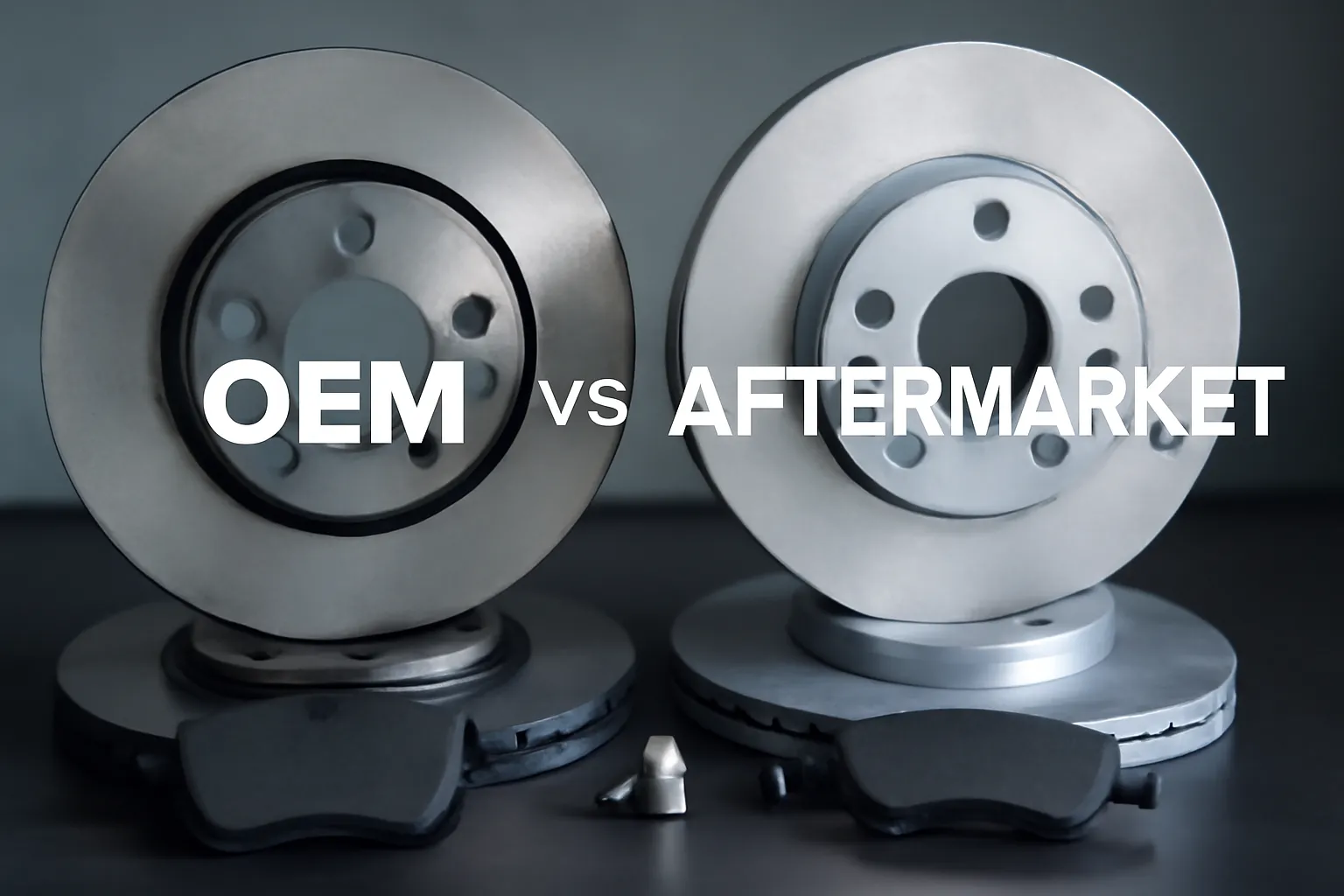
OEM vs Aftermarket Spare Parts
Defining OEM Parts
OEM parts are components made by the vehicle’s original manufacturer. These parts are designed to fit and function exactly like the parts they replace, ensuring compatibility and performance. They are often preferred for their quality and reliability, as they are made to the exact specifications of the original parts.
What are Aftermarket Components?
Aftermarket parts are produced by companies other than the original manufacturer. These components are designed to fit a wide range of vehicles and may offer more variety in terms of design and performance. While they can be more affordable, the quality can vary significantly between manufacturers.
Key Differences Between OEM and Aftermarket
The primary differences between OEM and aftermarket parts lie in their origin, quality, and cost. OEM parts are made by the original manufacturer, ensuring a perfect fit and high quality. Aftermarket parts, on the other hand, are produced by third-party companies and can vary in quality and price.
- Origin: OEM parts are made by the vehicle’s manufacturer, while aftermarket parts are made by other companies.
- Quality: OEM parts are consistent in quality, whereas aftermarket parts can vary.
- Cost: Aftermarket parts are generally more affordable than OEM parts.
Pros and Cons of OEM Spare Parts
Advantages of Using Original Equipment
OEM parts are known for their reliability and quality. They are designed to fit perfectly and function as intended, reducing the risk of compatibility issues. This makes them a preferred choice for those who prioritize performance and longevity.
Potential Drawbacks of OEM Components
Despite their advantages, OEM parts can be more expensive than aftermarket alternatives. Additionally, they may not always be readily available, especially for older vehicle models, which can lead to longer wait times for repairs.
- Reliability: High-quality and reliable.
- Cost: Generally more expensive.
- Availability: May not be readily available for older models.
Benefits and Limitations of Aftermarket Parts
Advantages of Aftermarket Alternatives
Aftermarket parts offer a wider range of options and can be more affordable than OEM parts. They are often available in various designs and performance levels, allowing for customization and potential performance enhancements.
Possible Disadvantages of Third-Party Components
The quality of aftermarket parts can vary significantly, which may affect vehicle performance and reliability. It’s essential to choose reputable brands to ensure you get a quality product.
- Variety: Wide range of options.
- Affordability: Generally more cost-effective.
- Quality Variability: Quality can vary between manufacturers.
Impact on Vehicle Performance and Reliability
How OEM vs Aftermarket Parts Affect Performance
OEM parts are designed to maintain the vehicle’s original performance, while aftermarket parts can offer performance enhancements or detriments depending on their quality. Choosing the right part is crucial for maintaining or improving vehicle performance.
Long-term Reliability Considerations
OEM parts are typically more reliable in the long term due to their consistent quality. Aftermarket parts may require more frequent replacements if not chosen carefully, impacting the vehicle’s overall reliability.
- Performance: OEM maintains original performance; aftermarket can vary.
- Reliability: OEM is generally more reliable long-term.
Cost Comparison: OEM vs Aftermarket Spare Parts
Price Differences Between Original and Aftermarket Options
OEM parts are often more expensive due to their quality and brand association. Aftermarket parts, however, can be significantly cheaper, making them an attractive option for budget-conscious consumers.
Value for Money Analysis
While OEM parts offer reliability, aftermarket parts can provide better value for money if chosen wisely. It’s essential to weigh the cost against the potential benefits and drawbacks of each option.
| Aspect | OEM Parts | Aftermarket Parts |
| Cost | Higher | Lower |
| Quality | Consistent | Variable |
| Availability | Limited | Wide |
Warranty Implications of Using OEM vs Aftermarket Spare Parts
How Part Choice Affects Vehicle Warranties
Using OEM parts typically ensures that your vehicle’s warranty remains intact. However, using aftermarket parts may void the warranty if they cause damage or are not approved by the manufacturer.
Manufacturer Warranty Policies
Manufacturers often have specific policies regarding the use of aftermarket parts. It’s essential to understand these policies to avoid voiding your vehicle’s warranty inadvertently.
- Warranty: OEM parts usually maintain warranty.
- Policies: Check manufacturer policies on aftermarket parts.
Choosing the Right Parts for Your Vehicle
Factors to Consider When Selecting Components
When choosing between OEM and aftermarket parts, consider factors such as cost, quality, availability, and the specific needs of your vehicle. It’s also important to consider the reputation of the manufacturer and the warranty implications.
OEM vs Aftermarket Spare Parts for Different Vehicle Systems
Different vehicle systems may have varying requirements for parts. For example, critical systems like brakes and engines may benefit from OEM parts, while less critical systems may be suitable for aftermarket options.
- Considerations: Cost, quality, availability, reputation.
- Systems: Critical systems may require OEM; others may use aftermarket.
Quality Control and Standards for Spare Parts
OEM Quality Assurance Processes
OEM parts undergo rigorous quality assurance processes to ensure they meet the manufacturer’s standards. This consistency in quality is a significant advantage of OEM parts.
Aftermarket Part Certification and Testing
Reputable aftermarket manufacturers also adhere to quality standards and testing. However, the level of certification and testing can vary, so it’s essential to choose parts from trusted brands.
- OEM Quality: Consistent and reliable.
- Aftermarket Testing: Varies by manufacturer.
Availability and Accessibility of OEM vs Aftermarket Spare Parts
Sourcing Original Equipment Components
OEM parts can be sourced from authorized dealers and service centers. However, availability may be limited, especially for older models or less common vehicles.
Finding Quality Aftermarket Alternatives
Aftermarket parts are widely available from various retailers and online platforms. It’s crucial to research and choose parts from reputable manufacturers to ensure quality and compatibility.
- OEM Sourcing: Authorized dealers and service centers.
- Aftermarket Availability: Wide range of retailers and online options.
Environmental Impact of OEM vs Aftermarket Spare Parts
Sustainability Considerations in Part Production
OEM manufacturers often adhere to strict environmental standards in their production processes. Aftermarket manufacturers may vary in their sustainability practices, so it’s important to consider the environmental impact when choosing parts.
Recycling and Disposal of Vehicle Components
Both OEM and aftermarket parts can be recycled, but the ease of recycling may vary. It’s essential to dispose of vehicle components responsibly to minimize environmental impact.
- Sustainability: OEM often follows strict standards.
- Recycling: Both types can be recycled; responsible disposal is key.
Future Trends in the Automotive Spare Parts Industry
Technological Advancements in Part Manufacturing
The automotive spare parts industry is evolving with technological advancements, leading to improved quality and performance of both OEM and aftermarket parts. Innovations in materials and manufacturing processes are driving these changes.
Shifting Consumer Preferences for OEM vs Aftermarket Options
Consumer preferences are shifting towards more affordable and customizable options, leading to increased demand for aftermarket parts. However, the reliability and quality of OEM parts continue to attract consumers who prioritize performance and longevity.
- Advancements: Improved quality and performance.
- Preferences: Growing demand for affordable and customizable options.
In conclusion, the choice between OEM and aftermarket spare parts depends on various factors, including cost, quality, availability, and specific vehicle needs. By understanding the differences and implications of each option, workshops in Lebanon and Afghanistan can make informed decisions that ensure vehicle performance and reliability.
FAQs
How Do I Know if a Part is OEM or Aftermarket?
To determine if a part is OEM or aftermarket, check the packaging and labeling. OEM parts will typically have the manufacturer’s branding and part number, while aftermarket parts may have different branding or lack specific manufacturer details.
Do Aftermarket Parts Void Warranty?
Aftermarket parts can void a vehicle’s warranty if they cause damage or are not approved by the manufacturer. It’s important to check the warranty terms and consult with the manufacturer or dealer before using aftermarket parts.
Are Aftermarket Parts as Good as OEM?
Aftermarket parts can be as good as OEM parts if they are sourced from reputable manufacturers. However, the quality can vary, so it’s crucial to research and choose wisely. In some cases, aftermarket parts may even offer better performance or features than OEM parts.