
In the quest for sustainability, the automotive industry is increasingly turning to eco-friendly tires and batteries. These components are not only essential for vehicle performance but also play a significant role in reducing environmental impact. This article delves into the sustainable sourcing of these products, focusing on their benefits, sourcing methods, materials, and the challenges faced in their procurement.
What are eco-friendly tires and batteries?
Definition and key characteristics
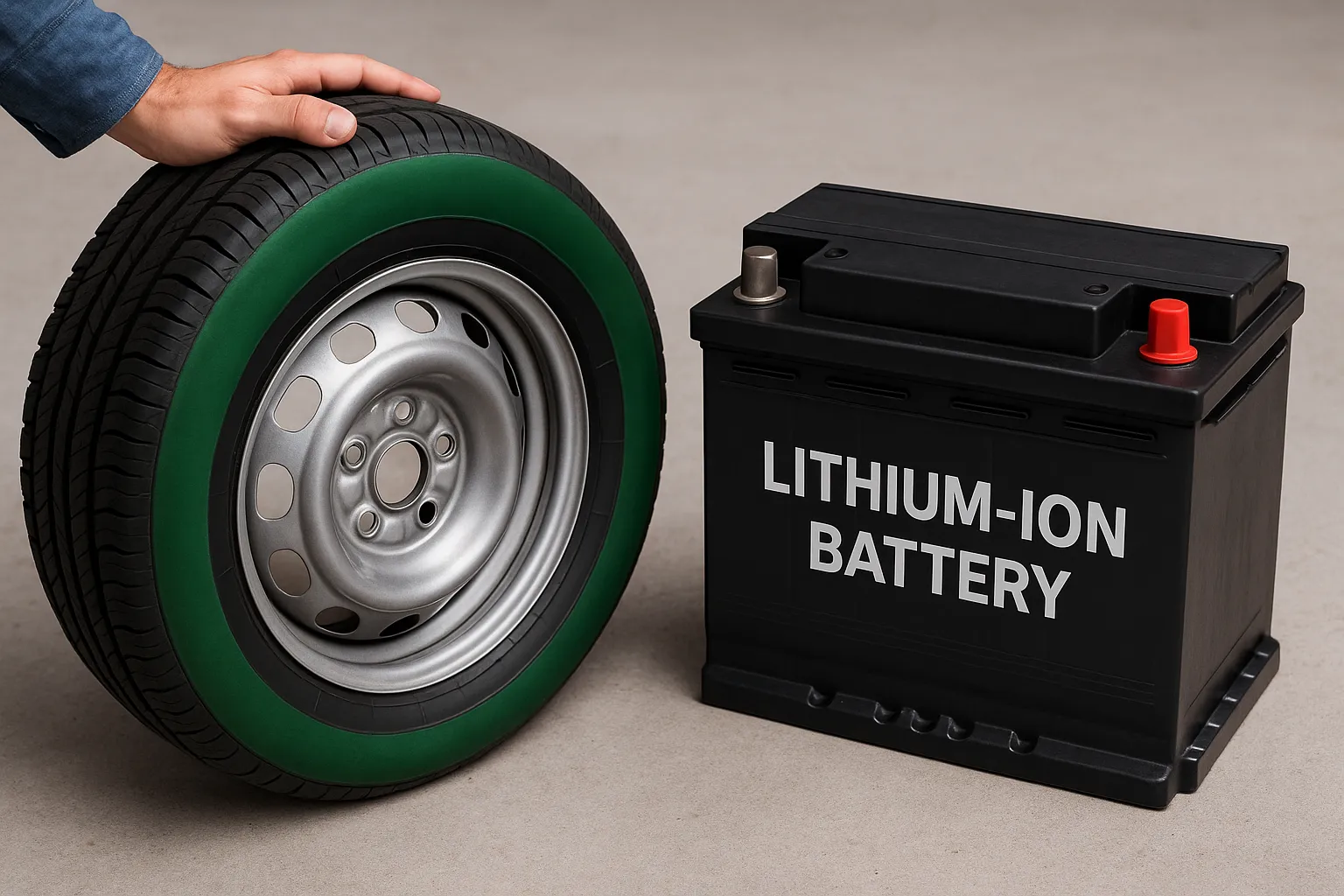
Eco-friendly tires and batteries are designed with sustainability in mind. They are manufactured using materials and processes that minimize environmental harm. These products often incorporate recycled or renewable materials, and their production processes aim to reduce carbon emissions and waste.
Environmental benefits compared to conventional products
Eco-friendly tires and batteries offer numerous environmental benefits over traditional options. They help reduce carbon footprints, decrease reliance on non-renewable resources, and often have longer lifespans, which means less frequent replacements and reduced waste.
- Reduced carbon emissions during production
- Use of renewable and recycled materials
- Longer lifespan and reduced waste
How are sustainable tires and batteries sourced?
Responsible procurement policies
Sustainable sourcing begins with responsible procurement policies. Companies establish guidelines that prioritize environmental and social responsibility, ensuring that suppliers adhere to sustainable practices.
Supplier assessment and risk management
Assessing suppliers is crucial in sustainable sourcing. Companies evaluate potential suppliers based on their environmental practices, labor conditions, and overall sustainability. This assessment helps in identifying and mitigating risks associated with unsustainable practices.
Traceability and chain of custody models
Traceability ensures that every step in the supply chain is transparent. Chain of custody models track the journey of materials from their origin to the final product, ensuring that sustainability claims are verifiable.
- Establishing clear procurement guidelines
- Evaluating suppliers for sustainability
- Implementing traceability systems
What materials are used in eco-friendly tires and batteries?
Bio-based and recycled materials for tires
Eco-friendly tires often use bio-based materials like natural rubber and recycled rubber. These materials reduce dependency on petroleum-based products and help in conserving natural resources.
Sustainable lithium sourcing for batteries
Lithium is a critical component of batteries, and its sustainable sourcing is vital. Companies are exploring methods to extract lithium with minimal environmental impact, such as using less water and reducing land degradation.
Alternative raw materials and their environmental impact
Innovations in materials science have led to the use of alternative raw materials like silica and plant-based oils. These materials not only enhance performance but also reduce the environmental footprint of tires and batteries.
- Use of natural and recycled rubber
- Sustainable lithium extraction methods
- Incorporation of alternative materials
How does All Makes Autoparts ensure sustainability in its supply chain?
CSR assessment of suppliers
All Makes Autoparts conducts comprehensive Corporate Social Responsibility (CSR) assessments of its suppliers. This ensures that they adhere to ethical and sustainable practices, aligning with the company’s sustainability goals.
Mapping country and mineral risks
Understanding the risks associated with sourcing from different countries and minerals is crucial. AM Autoparts maps these risks to ensure that their supply chain is resilient and sustainable.
Managing supplier CSR risk
Managing CSR risks involves continuous monitoring and engagement with suppliers. AM Autoparts works closely with its suppliers to address any issues and improve their sustainability practices.
Follow-up on corrective action plans
When issues are identified, AM Autoparts implements corrective action plans. These plans are regularly reviewed to ensure that suppliers are making progress towards sustainability.
Participation in industry initiatives
AM Autoparts actively participates in industry initiatives that promote sustainability. This involvement helps the company stay updated on best practices and collaborate with other industry leaders.
- Conducting CSR assessments
- Mapping and managing supply chain risks
- Engaging in industry sustainability initiatives
What are the challenges in sourcing eco-friendly tires and batteries?
Limited availability of sustainable materials
One of the primary challenges is the limited availability of sustainable materials. This scarcity can hinder the production of eco-friendly products and increase costs.
Higher costs and market demand
Eco-friendly products often come with higher production costs, which can affect market demand. Balancing cost and sustainability is a significant challenge for manufacturers.
Technological limitations and performance concerns
Technological advancements are needed to improve the performance of eco-friendly tires and batteries. Current limitations can affect their adoption in the market.
- Scarcity of sustainable materials
- Balancing cost and demand
- Need for technological advancements
Innovations in eco-friendly tire and battery technology
Bio-circular silica for improved tire performance
Bio-circular silica is an innovative material that enhances tire performance while reducing environmental impact. It is derived from renewable sources and offers improved durability and fuel efficiency.
Advanced battery chemistries for increased sustainability
New battery chemistries are being developed to increase sustainability. These advancements focus on reducing reliance on rare materials and improving energy density.
Recycling and circular economy solutions
Recycling and circular economy solutions are crucial for sustainable tire and battery production. These approaches ensure that materials are reused, reducing waste and conserving resources.
- Use of bio-circular silica
- Development of advanced battery chemistries
- Implementation of recycling solutions
Regulatory framework for sustainable automotive products
EU Ecodesign for Sustainable Products Regulation (ESPR)
The EU Ecodesign for Sustainable Products Regulation (ESPR) sets standards for sustainable product design, including tires and batteries. It aims to reduce environmental impact and promote resource efficiency.
Industry standards and certifications
Industry standards and certifications play a vital role in ensuring the sustainability of automotive products. They provide guidelines for manufacturers and help consumers make informed choices.
Government incentives for eco-friendly vehicles
Governments offer incentives to promote the adoption of eco-friendly vehicles. These incentives can include tax breaks, subsidies, and grants for research and development.
- Compliance with EU regulations
- Adherence to industry standards
- Utilization of government incentives
The future of sourcing eco-friendly tires and batteries
Emerging technologies and materials
The future of eco-friendly tires and batteries lies in emerging technologies and materials. Innovations in materials science and production processes will drive sustainability forward.
Scaling up sustainable production
Scaling up sustainable production is essential to meet growing demand. This involves investing in new technologies and expanding production capabilities.
Potential impact on the automotive industry
The shift towards eco-friendly tires and batteries will have a significant impact on the automotive industry. It will drive innovation, create new market opportunities, and contribute to a more sustainable future.
- Adoption of new technologies
- Expansion of sustainable production
- Transformation of the automotive industry
In conclusion, the sustainable sourcing of eco-friendly tires and batteries is a complex but essential endeavor. By understanding the materials, sourcing methods, and challenges involved, companies like AM Autoparts are leading the way in creating a more sustainable automotive industry. As technology advances and regulatory frameworks evolve, the future looks promising for eco-friendly automotive solutions.
FAQs
Are electric car batteries eco-friendly?
Electric car batteries have a complex environmental impact. While they reduce emissions during use, their production involves significant resource extraction and energy consumption. End-of-life recycling and disposal are crucial to minimizing their environmental footprint. Compared to conventional vehicle batteries, electric car batteries offer a cleaner alternative, but their overall eco-friendliness depends on sustainable sourcing and recycling practices.
How are eco-friendly tires different from regular tires?
Eco-friendly tires differ from regular tires in their composition and manufacturing process. They use sustainable materials and processes that reduce environmental impact. In terms of performance and durability, eco-friendly tires often match or exceed conventional options, offering additional environmental benefits and certifications that attest to their sustainability.
What is the carbon footprint of eco-friendly tires and batteries?
The carbon footprint of eco-friendly tires and batteries is generally lower than that of conventional alternatives. Life cycle assessments show that these products produce fewer emissions throughout their lifespan. Strategies for reducing emissions include using renewable energy in production and optimizing logistics to minimize transportation-related emissions.