
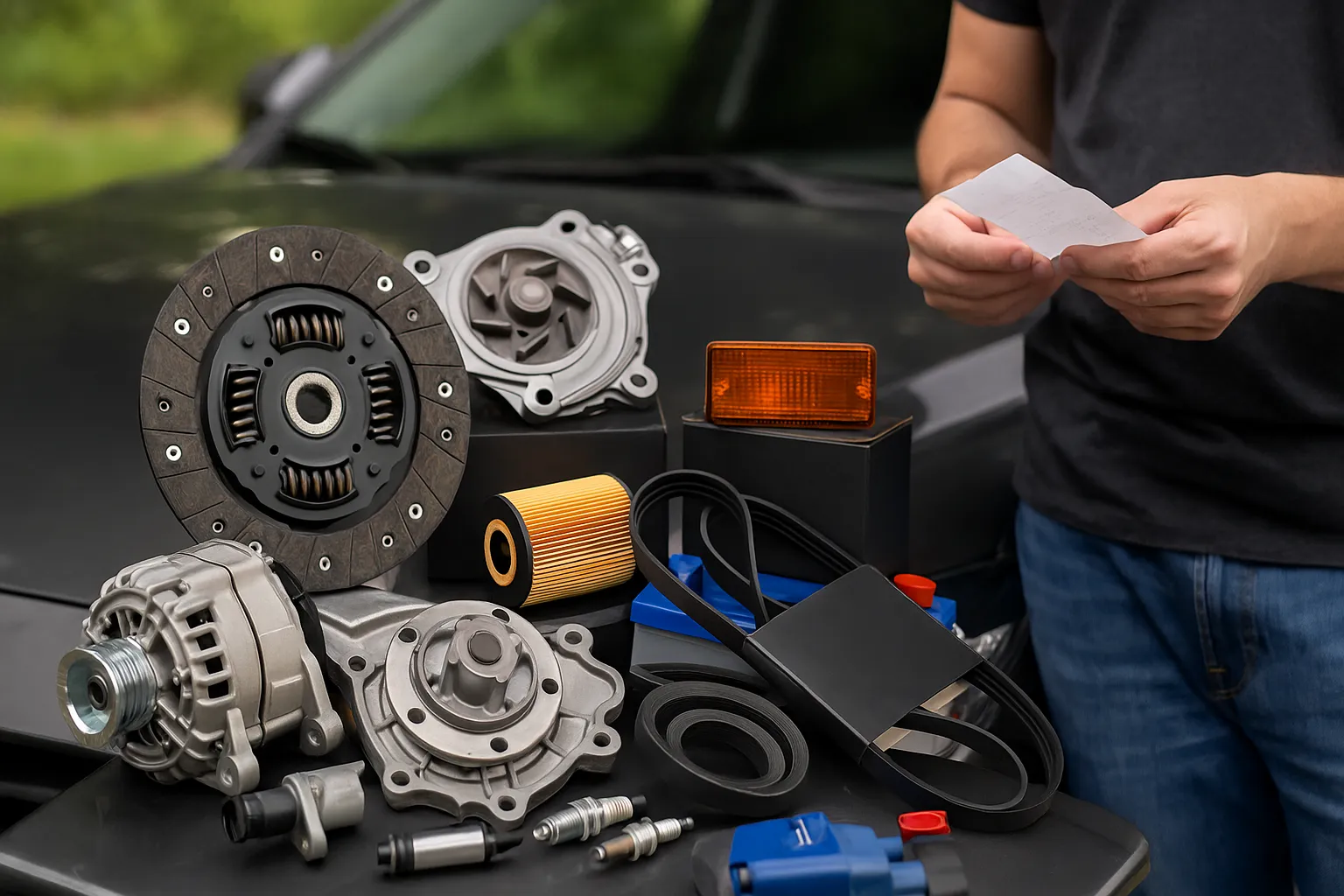
When it comes to maintaining your vehicle, buying the right auto spare parts is crucial. Whether you’re a seasoned car enthusiast or a new driver, understanding the essentials of purchasing auto spare parts can save you time, money, and hassle. This guide will walk you through the key considerations to ensure you make informed decisions.
Auto Spare Parts
What are auto spare parts?
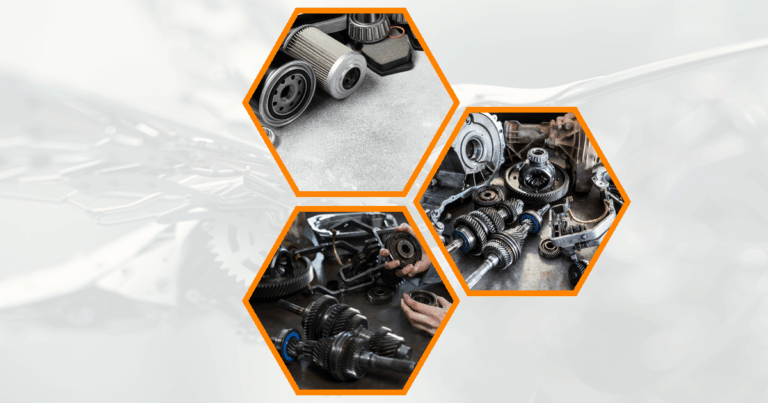
Auto spare parts are components that replace damaged or worn-out parts in a vehicle. They are essential for the repair and maintenance of cars, ensuring that vehicles run smoothly and safely. From brake pads to engine components, these parts are vital for the longevity and performance of your vehicle.
Types of auto spare parts
Auto spare parts can be categorized into several types, including mechanical, electrical, and body parts. Mechanical parts include components like engines and transmissions, while electrical parts cover items such as batteries and alternators. Body parts, on the other hand, consist of bumpers, doors, and mirrors.
- Mechanical Parts: Engines, transmissions, brake systems
- Electrical Parts: Batteries, alternators, starters
- Body Parts: Bumpers, doors, mirrors
Importance of genuine spare parts
Genuine spare parts are manufactured by the original equipment manufacturer (OEM) and are designed to fit and function perfectly with your vehicle. They ensure optimal performance and safety, reducing the risk of further damage. While they may be more expensive, their quality and reliability make them a worthwhile investment.
- Quality Assurance: Designed to meet specific vehicle standards
- Safety: Reduces the risk of malfunction
- Longevity: Typically last longer than non-genuine parts
Factors to Consider When Purchasing Auto Spare Parts
Compatibility with your vehicle
Ensuring that the spare part is compatible with your vehicle is crucial. Incompatible parts can lead to poor performance and even damage your car. Always check the part number and consult your vehicle’s manual or a professional to confirm compatibility.
Quality and durability
The quality and durability of spare parts can significantly impact your vehicle’s performance. High-quality parts may cost more upfront but can save you money in the long run by reducing the need for frequent replacements. Look for parts that come with a quality guarantee or certification.
- Check for Certifications: Look for ISO or other quality certifications
- Material Quality: Opt for parts made from durable materials
Price and value for money
While it’s tempting to opt for the cheapest option, it’s important to consider the value for money. Compare prices from different suppliers and weigh them against the quality and warranty offered. Sometimes, spending a little more can provide better long-term value.
Warranty and after-sales support
A good warranty and reliable after-sales support can provide peace of mind. Check the warranty terms and conditions, and ensure that the supplier offers support in case of defects or issues. This can save you from unexpected expenses and hassles.
- Warranty Terms: Understand what is covered and for how long
- Customer Support: Ensure easy access to support services
Genuine vs. Aftermarket Spare Parts
Pros and cons of genuine parts
Genuine parts are designed specifically for your vehicle, ensuring a perfect fit and optimal performance. However, they can be more expensive and may not always be readily available.
- Pros: Perfect fit, high quality, reliable performance
- Cons: Higher cost, limited availability
Advantages and disadvantages of aftermarket parts
Aftermarket parts are often cheaper and more readily available than genuine parts. However, their quality can vary significantly, and they may not always fit perfectly.
- Advantages: Cost-effective, widely available
- Disadvantages: Variable quality, potential compatibility issues
Making the right choice for your vehicle
Choosing between genuine and aftermarket parts depends on your budget, vehicle needs, and personal preferences. Consider the importance of the part, your budget, and the reputation of the manufacturer when making your decision.
Essential Auto Spare Parts to Keep on Hand
Emergency repair items
Having essential spare parts on hand can save you in emergencies. Items like spare tires, fuses, and bulbs are crucial for quick fixes and can prevent minor issues from becoming major problems.
Routine maintenance parts
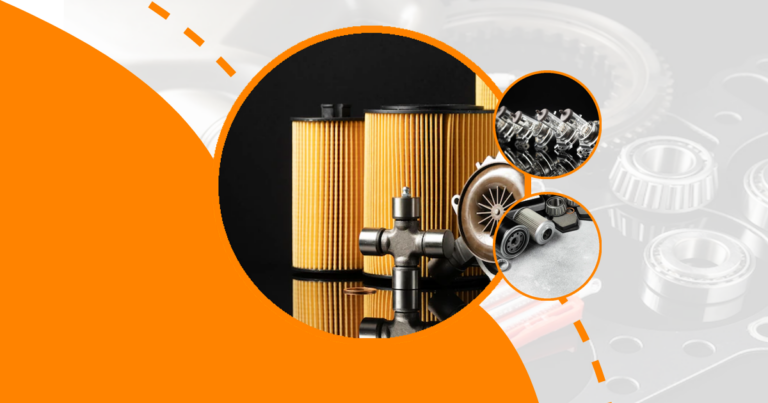
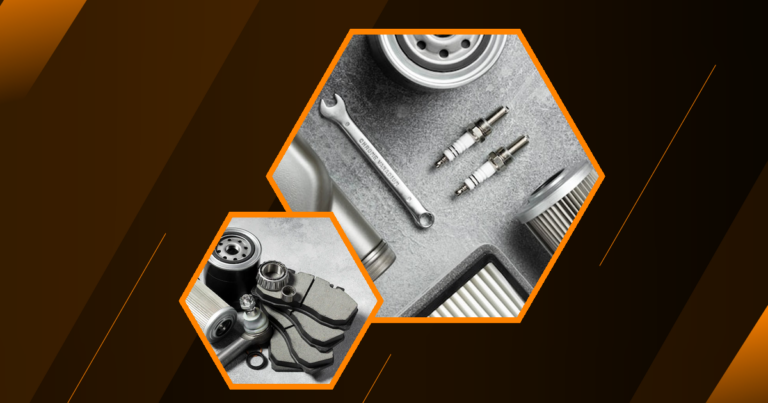
Routine maintenance parts such as oil filters, air filters, and brake pads should be readily available. Regular replacement of these parts ensures your vehicle runs efficiently and safely.
- Oil Filters: Essential for engine health
- Brake Pads: Crucial for safety
- Air Filters: Improve engine performance
Seasonal replacement parts
Certain parts may need replacement depending on the season. For example, windshield wipers and antifreeze are important for winter, while air conditioning components may need attention in summer.
Where to Buy Auto Spare Parts
Authorized dealerships
Authorized dealerships offer genuine parts and expert advice. While they may be more expensive, they provide assurance of quality and compatibility.
Online marketplaces
Online marketplaces offer a wide range of parts at competitive prices. However, it’s important to verify the seller’s reputation and ensure the authenticity of the parts.
Local auto parts stores
Local auto parts stores provide convenience and immediate availability. They often have knowledgeable staff who can offer advice and assistance.
- Convenience: Immediate availability
- Expert Advice: Access to knowledgeable staff
How to Identify Quality Auto Spare Parts
Checking for authenticity
Authenticity is key to ensuring quality. Look for holograms, serial numbers, and other markers that indicate genuine parts. Verify these with the manufacturer if in doubt.
Inspecting for defects
Before purchasing, inspect the part for any visible defects or damage. Even minor defects can affect performance and safety.
Reading customer reviews and ratings
Customer reviews and ratings can provide valuable insights into the quality and performance of spare parts. Look for consistent positive feedback and high ratings.
Maintaining Your Vehicle with the Right Spare Parts
Regular maintenance schedule
Adhering to a regular maintenance schedule is crucial for vehicle health. It ensures that parts are replaced before they fail, preventing costly repairs and breakdowns.
DIY repairs vs. professional service
While DIY repairs can save money, professional service ensures expertise and quality. Consider your skill level and the complexity of the repair when deciding.
Keeping records of spare part replacements
Maintaining records of spare part replacements helps track the vehicle’s maintenance history. This information is valuable for future repairs and can enhance resale value.
The Impact of Quality Spare Parts on Vehicle Performance
Fuel efficiency
High-quality spare parts can improve fuel efficiency by ensuring optimal engine performance. This not only saves money but also reduces environmental impact.
Safety and reliability
Using quality spare parts enhances vehicle safety and reliability. It reduces the risk of malfunctions and accidents, providing peace of mind.
Resale value
A well-maintained vehicle with quality spare parts can have a higher resale value. Buyers are more likely to pay a premium for a car with a documented maintenance history.
Common Mistakes to Avoid When Buying Auto Spare Parts
Prioritizing price over quality
Choosing the cheapest option can lead to poor performance and frequent replacements. It’s important to balance cost with quality to ensure long-term value.
Neglecting to research compatibility
Failing to verify compatibility can result in parts that don’t fit or function properly. Always check part numbers and consult experts if needed.
Overlooking warranty terms
Ignoring warranty terms can lead to unexpected expenses if the part fails. Always read and understand the warranty before purchasing.
Future Trends in Auto Spare Parts
3D-printed spare parts
3D printing technology is revolutionizing the production of spare parts. It offers customization and rapid production, reducing lead times and costs.
Smart spare parts with IoT integration
Smart spare parts equipped with IoT technology can monitor performance and predict failures. This innovation enhances vehicle maintenance and safety.
Eco-friendly and sustainable options
The demand for eco-friendly spare parts is growing. Manufacturers are focusing on sustainable materials and processes to reduce environmental impact.
FAQs
What are the most important things to keep in mind while buying auto spare parts?
When buying auto spare parts, consider compatibility, quality, and warranty. These factors ensure that the parts will fit your vehicle, perform well, and provide value for money.
How do I know if an auto spare part is compatible with my vehicle?
To ensure compatibility, check the part number and consult your vehicle’s manual. You can also seek advice from a professional mechanic or the part supplier.
Are aftermarket auto spare parts as good as genuine parts?
Aftermarket parts can be as good as genuine parts, but their quality varies. It’s important to research the manufacturer and read reviews to ensure you’re getting a reliable product.
What auto spare parts should I always have in my car?
Essential spare parts to keep in your car include a spare tire, fuses, and bulbs. These items can help you address common issues quickly and safely.
Things to Keep in Mind While Buying Auto Spare Parts
When it comes to maintaining your vehicle, buying the right auto spare parts is crucial. Whether you’re a seasoned car enthusiast or a new driver, understanding the essentials of purchasing auto spare parts can save you time, money, and hassle. This guide will walk you through the key considerations to ensure you make informed decisions.
Auto Spare Parts
What are auto spare parts?
Auto spare parts are components that replace damaged or worn-out parts in a vehicle. They are essential for the repair and maintenance of cars, ensuring that vehicles run smoothly and safely. From brake pads to engine components, these parts are vital for the longevity and performance of your vehicle.
Types of auto spare parts
Auto spare parts can be categorized into several types, including mechanical, electrical, and body parts. Mechanical parts include components like engines and transmissions, while electrical parts cover items such as batteries and alternators. Body parts, on the other hand, consist of bumpers, doors, and mirrors.
- Mechanical Parts: Engines, transmissions, brake systems
- Electrical Parts: Batteries, alternators, starters
- Body Parts: Bumpers, doors, mirrors
Importance of genuine spare parts
Genuine spare parts are manufactured by the original equipment manufacturer (OEM) and are designed to fit and function perfectly with your vehicle. They ensure optimal performance and safety, reducing the risk of further damage. While they may be more expensive, their quality and reliability make them a worthwhile investment.
- Quality Assurance: Designed to meet specific vehicle standards
- Safety: Reduces the risk of malfunction
- Longevity: Typically last longer than non-genuine parts
Factors to Consider When Purchasing Auto Spare Parts
Compatibility with your vehicle
Ensuring that the spare part is compatible with your vehicle is crucial. Incompatible parts can lead to poor performance and even damage your car. Always check the part number and consult your vehicle’s manual or a professional to confirm compatibility.
Quality and durability
The quality and durability of spare parts can significantly impact your vehicle’s performance. High-quality parts may cost more upfront but can save you money in the long run by reducing the need for frequent replacements. Look for parts that come with a quality guarantee or certification.
- Check for Certifications: Look for ISO or other quality certifications
- Material Quality: Opt for parts made from durable materials
Price and value for money
While it’s tempting to opt for the cheapest option, it’s important to consider the value for money. Compare prices from different suppliers and weigh them against the quality and warranty offered. Sometimes, spending a little more can provide better long-term value.
Warranty and after-sales support
A good warranty and reliable after-sales support can provide peace of mind. Check the warranty terms and conditions, and ensure that the supplier offers support in case of defects or issues. This can save you from unexpected expenses and hassles.
- Warranty Terms: Understand what is covered and for how long
- Customer Support: Ensure easy access to support services
Genuine vs. Aftermarket Spare Parts
Pros and cons of genuine parts
Genuine parts are designed specifically for your vehicle, ensuring a perfect fit and optimal performance. However, they can be more expensive and may not always be readily available.
- Pros: Perfect fit, high quality, reliable performance
- Cons: Higher cost, limited availability
Advantages and disadvantages of aftermarket parts
Aftermarket parts are often cheaper and more readily available than genuine parts. However, their quality can vary significantly, and they may not always fit perfectly.
- Advantages: Cost-effective, widely available
- Disadvantages: Variable quality, potential compatibility issues
Making the right choice for your vehicle
Choosing between genuine and aftermarket parts depends on your budget, vehicle needs, and personal preferences. Consider the importance of the part, your budget, and the reputation of the manufacturer when making your decision.
Essential Auto Spare Parts to Keep on Hand
Emergency repair items
Having essential spare parts on hand can save you in emergencies. Items like spare tires, fuses, and bulbs are crucial for quick fixes and can prevent minor issues from becoming major problems.
Routine maintenance parts
Routine maintenance parts such as oil filters, air filters, and brake pads should be readily available. Regular replacement of these parts ensures your vehicle runs efficiently and safely.
- Oil Filters: Essential for engine health
- Brake Pads: Crucial for safety
- Air Filters: Improve engine performance
Seasonal replacement parts
Certain parts may need replacement depending on the season. For example, windshield wipers and antifreeze are important for winter, while air conditioning components may need attention in summer.
Where to Buy Auto Spare Parts
Authorized dealerships
Authorized dealerships offer genuine parts and expert advice. While they may be more expensive, they provide assurance of quality and compatibility.
Online marketplaces
Online marketplaces offer a wide range of parts at competitive prices. However, it’s important to verify the seller’s reputation and ensure the authenticity of the parts.
Local auto parts stores
Local auto parts stores provide convenience and immediate availability. They often have knowledgeable staff who can offer advice and assistance.
- Convenience: Immediate availability
- Expert Advice: Access to knowledgeable staff
How to Identify Quality Auto Spare Parts
Checking for authenticity
Authenticity is key to ensuring quality. Look for holograms, serial numbers, and other markers that indicate genuine parts. Verify these with the manufacturer if in doubt.
Inspecting for defects
Before purchasing, inspect the part for any visible defects or damage. Even minor defects can affect performance and safety.
Reading customer reviews and ratings
Customer reviews and ratings can provide valuable insights into the quality and performance of spare parts. Look for consistent positive feedback and high ratings.
Maintaining Your Vehicle with the Right Spare Parts
Regular maintenance schedule
Adhering to a regular maintenance schedule is crucial for vehicle health. It ensures that parts are replaced before they fail, preventing costly repairs and breakdowns.
DIY repairs vs. professional service
While DIY repairs can save money, professional service ensures expertise and quality. Consider your skill level and the complexity of the repair when deciding.
Keeping records of spare part replacements
Maintaining records of spare part replacements helps track the vehicle’s maintenance history. This information is valuable for future repairs and can enhance resale value.
The Impact of Quality Spare Parts on Vehicle Performance
Fuel efficiency
High-quality spare parts can improve fuel efficiency by ensuring optimal engine performance. This not only saves money but also reduces environmental impact.
Safety and reliability
Using quality spare parts enhances vehicle safety and reliability. It reduces the risk of malfunctions and accidents, providing peace of mind.
Resale value
A well-maintained vehicle with quality spare parts can have a higher resale value. Buyers are more likely to pay a premium for a car with a documented maintenance history.
Common Mistakes to Avoid When Buying Auto Spare Parts
Prioritizing price over quality
Choosing the cheapest option can lead to poor performance and frequent replacements. It’s important to balance cost with quality to ensure long-term value.
Neglecting to research compatibility
Failing to verify compatibility can result in parts that don’t fit or function properly. Always check part numbers and consult experts if needed.
Overlooking warranty terms
Ignoring warranty terms can lead to unexpected expenses if the part fails. Always read and understand the warranty before purchasing.
Future Trends in Auto Spare Parts
3D-printed spare parts
3D printing technology is revolutionizing the production of spare parts. It offers customization and rapid production, reducing lead times and costs.
Smart spare parts with IoT integration
Smart spare parts equipped with IoT technology can monitor performance and predict failures. This innovation enhances vehicle maintenance and safety.
Eco-friendly and sustainable options
The demand for eco-friendly spare parts is growing. Manufacturers are focusing on sustainable materials and processes to reduce environmental impact.
FAQs
What are the most important things to keep in mind while buying auto spare parts?
When buying auto spare parts, consider compatibility, quality, and warranty. These factors ensure that the parts will fit your vehicle, perform well, and provide value for money.
How do I know if an auto spare part is compatible with my vehicle?
To ensure compatibility, check the part number and consult your vehicle’s manual. You can also seek advice from a professional mechanic or the part supplier.
Are aftermarket auto spare parts as good as genuine parts?
Aftermarket parts can be as good as genuine parts, but their quality varies. It’s important to research the manufacturer and read reviews to ensure you’re getting a reliable product.
What auto spare parts should I always have in my car?
Essential spare parts to keep in your car include a spare tire, fuses, and bulbs. These items can help you address common issues quickly and safely.