
When it comes to managing a fleet of trucks and buses in the UAE, choosing the right tyres is crucial. The right tyres not only ensure safety and performance but also contribute to cost savings and efficiency. This comprehensive guide will walk you through the essential factors to consider when buying truck and bus tyres, helping you make informed decisions for your fleet.
What are the key factors to consider when buying truck and bus tyres?

Tyre size and load capacity
Selecting the correct tyre size and load capacity is vital for the safety and efficiency of your vehicles. Tyres that are too small or have insufficient load capacity can lead to premature wear and potential safety hazards. Always refer to the vehicle manufacturer’s specifications to ensure compatibility.
- Ensure the tyre size matches the vehicle’s requirements.
- Check the load capacity to handle the vehicle’s weight.
- Consult the vehicle’s manual for recommended specifications.
Tread pattern and design
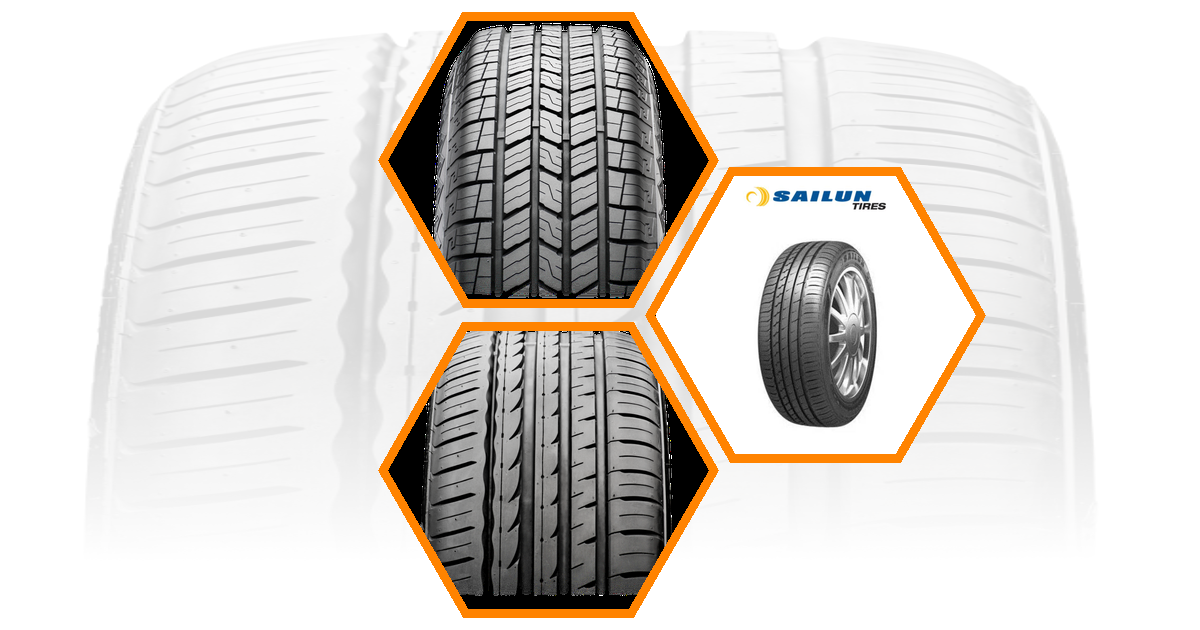
The tread pattern and design of a tyre significantly impact its performance on different terrains. For instance, a tyre with a deep tread pattern is ideal for off-road conditions, while a smoother tread is better for highways. Choose a tread design that suits your typical driving conditions.
- Consider the terrain your vehicles frequently encounter.
- Opt for a tread pattern that offers optimal traction.
- Evaluate the tread design for noise reduction and comfort.
Fuel efficiency and rolling resistance
Fuel efficiency is a major concern for fleet managers. Tyres with low rolling resistance can improve fuel economy, reducing overall operating costs. According to the National Highway Traffic Safety Administration, properly maintained tyres can improve fuel efficiency by up to 3.3%.
- Look for tyres with low rolling resistance.
- Check for energy efficiency ratings.
- Consider the long-term fuel savings.
Durability and tread life
Durability and tread life are critical for minimizing downtime and maintenance costs. High-quality tyres with longer tread life reduce the frequency of replacements, saving money in the long run.
- Choose tyres known for their durability.
- Evaluate the expected tread life.
- Consider the cost-benefit of premium tyres.
Weather and terrain conditions
The UAE’s diverse weather and terrain conditions require tyres that can handle extreme heat and varied surfaces. Ensure your tyres are suitable for the local climate and road conditions.
- Select tyres designed for high temperatures.
- Consider all-terrain options for versatility.
- Evaluate performance in wet and dry conditions.
How to choose the right tyre position for your commercial vehicle?

Steer tyres
Steer tyres are crucial for handling and stability. They should provide excellent grip and control, especially during cornering and braking. Choose steer tyres that offer precise steering response and durability.
- Prioritize tyres with superior grip.
- Ensure they provide a smooth and stable ride.
- Opt for tyres with enhanced durability.
Drive tyres
Drive tyres are responsible for transmitting power from the engine to the road. They need to offer excellent traction and wear resistance. Select drive tyres that can handle the vehicle’s power and provide long-lasting performance.
- Look for tyres with high traction.
- Ensure they are wear-resistant.
- Consider the vehicle’s power output.
Trailer tyres
Trailer tyres support the load and ensure stability. They should be robust and capable of handling heavy weights. Choose trailer tyres that offer durability and load-carrying capacity.
- Select tyres with high load capacity.
- Ensure they provide stability.
- Opt for durable and long-lasting options.
tyre specifications and ratings
Load index and speed rating
The load index and speed rating indicate the maximum load a tyre can carry and the maximum speed it can handle. These ratings are crucial for safety and performance.
- Check the load index for weight capacity.
- Verify the speed rating for maximum speed.
- Ensure compatibility with vehicle specifications.
Ply rating and construction
Ply rating and construction determine a tyre’s strength and durability. Higher ply ratings indicate stronger tyres, suitable for heavy-duty applications.
- Evaluate the ply rating for strength.
- Consider the construction type (radial or bias).
- Choose based on application needs.
Tread wear indicators
Tread wear indicators help monitor tyre wear and determine when replacements are necessary. They are essential for maintaining safety and performance.
- Regularly check tread wear indicators.
- Replace tyres when indicators show excessive wear.
- Ensure consistent monitoring for safety.
What are the benefits of using premium truck and bus tyres?
Improved fuel economy
Premium tyres often feature advanced technology that enhances fuel efficiency. By reducing rolling resistance, they contribute to lower fuel consumption and cost savings.
- Benefit from reduced fuel costs.
- Experience enhanced fuel efficiency.
- Enjoy long-term savings.
Enhanced safety and performance
Premium tyres offer superior safety features and performance. They provide better grip, handling, and braking, ensuring a safer driving experience.
- Experience improved handling and control.
- Benefit from enhanced braking performance.
- Ensure a safer driving environment.
Longer tyre life and reduced maintenance costs
Investing in premium tyres can lead to longer tyre life and reduced maintenance costs. Their durability and quality construction minimize the need for frequent replacements.
- Enjoy extended tyre life.
- Reduce maintenance and replacement costs.
- Benefit from high-quality construction.
How to maintain and care for your commercial vehicle tyres?
Regular pressure checks and inflation
Maintaining proper tyre pressure is crucial for safety and efficiency. Underinflated tyres can lower gas mileage by about 0.2% for every 1 psi drop in pressure, according to the U.S. Department of Energy.
- Check tyre pressure regularly.
- Inflate tyres to recommended levels.
- Monitor for pressure fluctuations.
Proper wheel alignment and rotation
Proper wheel alignment and rotation ensure even tyre wear and extend tyre life. Regular alignment checks and rotations are essential for optimal performance.
- Schedule regular alignment checks.
- Rotate tyres according to manufacturer guidelines.
- Ensure even tyre wear.
Tread depth monitoring
Monitoring tread depth is vital for safety and performance. Worn-out treads can compromise grip and handling, increasing the risk of accidents.
- Regularly measure tread depth.
- Replace tyres with insufficient tread.
- Ensure optimal grip and safety.
Selecting the right tyre for different vocations and applications
Long-haul transportation
Long-haul transportation requires tyres that offer durability and fuel efficiency. Choose tyres designed for long distances and heavy loads.
- Opt for tyres with low rolling resistance.
- Ensure durability for long distances.
- Consider fuel efficiency for cost savings.
Regional and urban delivery
Regional and urban delivery demands tyres that provide excellent maneuverability and traction. Select tyres that offer stability and control in city environments.
- Choose tyres with good traction.
- Ensure stability for urban driving.
- Opt for maneuverability and control.
Construction and mining
Construction and mining applications require robust tyres that can handle rough terrains. Select tyres with reinforced construction and deep treads.
- Opt for reinforced construction.
- Ensure deep treads for traction.
- Choose durability for rough terrains.
Waste management and sanitation
Waste management and sanitation vehicles need tyres that offer durability and load capacity. Select tyres that can handle heavy loads and frequent stops.
- Choose tyres with high load capacity.
- Ensure durability for frequent stops.
- Opt for robust construction.
The importance of proper tyre fitment for commercial vehicles
Ensuring correct tyre size and load capacity
Proper tyre fitment is crucial for safety and performance. Ensure the correct tyre size and load capacity to match the vehicle’s specifications.
- Verify tyre size compatibility.
- Check load capacity for safety.
- Ensure proper fitment for performance.
Matching tyre types across axles
Matching tyre types across axles ensures balanced performance and safety. Avoid mixing different tyre types on the same vehicle.
- Ensure uniform tyre types.
- Avoid mixing different brands.
- Maintain balanced performance.
Avoiding mixed tyre brands on the same axle
Using mixed tyre brands on the same axle can lead to uneven wear and compromised performance. Always use the same brand and model for consistency.
- Use the same brand on each axle.
- Ensure consistent performance.
- Avoid uneven wear and tear.
retreading options for truck and bus tyres
Benefits of tyre retreading
Tyre retreading offers cost savings and environmental benefits. Retreaded tyres provide similar performance to new tyres at a fraction of the cost.
- Enjoy cost savings with retreading.
- Benefit from environmental sustainability.
- Experience similar performance to new tyres.
Retreading process and quality control
The retreading process involves inspecting, repairing, and applying a new tread to used tyres. Quality control ensures safety and performance.
- Understand the retreading process.
- Ensure quality control measures.
- Benefit from safe and reliable retreads.
When to consider retreading vs. new tyres
Consider retreading when tyres have sufficient casing quality and tread life. New tyres are preferable when retreading is not viable.
- Evaluate casing quality for retreading.
- Consider new tyres for worn-out casings.
- Balance cost and performance needs.
Tips for maximizing tyre performance and longevity
Proper loading and weight distribution
Proper loading and weight distribution are crucial for tyre performance and longevity. Overloading can lead to premature wear and safety hazards.
- Ensure balanced weight distribution.
- Avoid overloading vehicles.
- Monitor load capacity for safety.
Avoiding overloading and speeding
Overloading and speeding can significantly reduce tyre life and compromise safety. Adhere to load limits and speed regulations for optimal performance.
- Adhere to load limits.
- Avoid excessive speeds.
- Ensure safe and efficient driving.
Regular tyre inspections and maintenance
Regular tyre inspections and maintenance are essential for maximizing performance and longevity. Identify issues early to prevent costly repairs and replacements.
- Schedule regular inspections.
- Address issues promptly.
- Maintain optimal tyre condition.
The role of technology in modern truck and bus tyres
Advanced rubber compounds
Advanced rubber compounds enhance tyre performance and durability. They offer improved grip, wear resistance, and fuel efficiency.
- Benefit from enhanced performance.
- Experience improved durability.
- Enjoy better fuel efficiency.
Innovative tread designs
Innovative tread designs provide superior traction and handling. They enhance safety and performance in various conditions.
- Opt for superior traction.
- Ensure enhanced handling.
- Benefit from innovative designs.
Smart tyre monitoring systems
Smart tyre monitoring systems provide real-time data on tyre conditions. They help prevent issues and optimize performance.
- Monitor tyre conditions in real-time.
- Prevent issues with early detection.
- Optimize performance and safety.
Environmental considerations in commercial tyre selection
Low rolling resistance tyres
Low rolling resistance tyres reduce fuel consumption and emissions. They contribute to environmental sustainability and cost savings.
- Reduce fuel consumption.
- Lower emissions for sustainability.
- Enjoy cost savings.
Eco-friendly manufacturing processes
Eco-friendly manufacturing processes minimize environmental impact. Choose tyres from manufacturers committed to sustainability.
- Support sustainable practices.
- Minimize environmental impact.
- Choose eco-friendly options.
Recycling and disposal options
Proper recycling and disposal of tyres reduce environmental harm. Explore recycling programs and disposal options for sustainability.
- Explore recycling programs.
- Ensure proper disposal.
- Reduce environmental harm.
How to calculate the total cost of ownership for truck and bus tyres?
Initial purchase price
The initial purchase price is a significant factor in the total cost of ownership. Consider the upfront cost and long-term benefits.
- Evaluate the initial cost.
- Consider long-term benefits.
- Balance cost and performance.
Fuel efficiency savings
Fuel efficiency savings contribute to the total cost of ownership. Tyres with low rolling resistance offer significant savings over time.
- Calculate fuel efficiency savings.
- Consider long-term cost reductions.
- Opt for efficient tyre options.
Maintenance and replacement costs
Maintenance and replacement costs impact the total cost of ownership. Regular maintenance reduces long-term expenses.
- Monitor maintenance costs.
- Plan for replacements.
- Optimize cost management.
The impact of road conditions on tyre selection and performance
Highway vs. off-road applications
Different road conditions require specific tyre types. Choose tyres suited for highway or off-road applications based on your needs.
- Select tyres for highway use.
- Opt for off-road capabilities.
- Match tyres to road conditions.
Wet and dry traction requirements
Wet and dry traction requirements vary based on climate and terrain. Choose tyres that offer optimal performance in your typical conditions.
- Ensure wet traction for safety.
- Opt for dry traction performance.
- Match tyres to climate needs.
Temperature and climate considerations
Temperature and climate affect tyre performance and longevity. Choose tyres designed for the UAE’s hot climate.
- Select heat-resistant tyres.
- Consider climate impact.
- Ensure optimal performance.
tyre pressure monitoring systems (TPMS) for commercial vehicles
Benefits of TPMS
Tyre pressure monitoring systems (TPMS) enhance safety and efficiency. They provide real-time pressure data, preventing issues and optimizing performance.
- Monitor pressure in real-time.
- Prevent tyre-related issues.
- Enhance safety and efficiency.
Types of TPMS available
Various TPMS types offer different features and benefits. Choose a system that meets your fleet’s needs and budget.
- Explore different TPMS types.
- Evaluate features and benefits.
- Choose based on needs and budget.
Installation and maintenance considerations
Proper installation and maintenance of TPMS ensure optimal performance. Regular checks and updates are essential for reliability.
- Ensure proper installation.
- Schedule regular maintenance.
- Maintain system reliability.
The role of fleet management in optimizing tyre performance and costs
Implementing tyre management programs
Tyre management programs optimize performance and reduce costs. They involve regular inspections, maintenance, and data analysis.
- Implement management programs.
- Optimize performance and costs.
- Ensure regular inspections.
Tracking tyre performance data
Tracking tyre performance data helps identify trends and issues. Use data to make informed decisions and improve efficiency.
- Monitor performance data.
- Identify trends and issues.
- Make informed decisions.
Training drivers on proper tyre care
Training drivers on proper tyre care enhances performance and safety. Educate drivers on maintenance practices and safety protocols.
- Educate drivers on tyre care.
- Enhance performance and safety.
- Promote maintenance practices.
FAQs
What is the average lifespan of truck and bus tyres?
The average lifespan of truck and bus tyres varies based on usage, maintenance, and road conditions. Typically, they last between 60,000 to 100,000 kilometers. Regular maintenance and proper care can extend their lifespan, ensuring safety and performance.
What are the signs of truck tyre wear and damage?
Signs of truck tyre wear and damage include uneven tread wear, cracks, bulges, and reduced traction. Regular inspections can help identify these issues early, ensuring timely replacements and maintaining safety.
How often should truck tyres be replaced?
Truck tyres should be replaced when they show signs of wear or damage, typically every 60,000 to 100,000 kilometers. Regular inspections and maintenance can help determine the right time for replacement, ensuring safety and performance.