
What is Wheel Alignment?

Definition and Purpose
Wheel alignment refers to the adjustment of a vehicle’s suspension, the system that connects a vehicle to its wheels. The primary purpose of wheel alignment is to ensure that the wheels are set to the optimal position as per the manufacturer’s specifications. Proper alignment enhances the vehicle’s handling, ensures even tire wear, and improves fuel efficiency.
- Ensures optimal wheel positioning
- Enhances vehicle handling
- Promotes even tire wear
- Improves fuel efficiency
Components Involved in Wheel Alignment
Wheel alignment involves adjusting three main angles: camber, toe, and caster. These angles determine how the tires make contact with the road. Proper alignment of these components ensures that the vehicle drives straight and true, without pulling to one side.
- Camber: Angle of the wheel when viewed from the front
- Toe: Direction the tires point relative to the vehicle’s centerline
- Caster: Angle of the steering axis when viewed from the side
How Do I Know If I Need a Wheel Alignment?

Common Signs of Misalignment
Several signs indicate that a vehicle may need a wheel alignment. These include uneven tire wear, the vehicle pulling to one side, and a crooked steering wheel when driving straight. If you notice any of these symptoms, it’s time to check your alignment.
- Uneven tire wear
- Vehicle pulling to one side
- Crooked steering wheel
Impact on Vehicle Performance and Safety
Misalignment can significantly impact vehicle performance and safety. It can lead to increased tire wear, reduced fuel efficiency, and compromised handling. Ensuring proper alignment is crucial for maintaining the vehicle’s safety and performance.
- Increased tire wear
- Reduced fuel efficiency
- Compromised handling
Tire Angles: Camber, Toe, and Caster
Understanding Camber Angle
The camber angle is the tilt of the wheel when viewed from the front of the vehicle. A positive camber means the top of the wheel is tilted outward, while a negative camber means it’s tilted inward. Proper camber ensures even tire wear and optimal handling.
- Positive camber: Top of the wheel tilts outward
- Negative camber: Top of the wheel tilts inward
- Ensures even tire wear
Exploring Toe Angle
The toe angle refers to the direction the tires point relative to the vehicle’s centerline. Toe-in means the front of the tires are closer together, while toe-out means they are farther apart. Correct toe settings are crucial for stability and tire longevity.
- Toe-in: Front of tires closer together
- Toe-out: Front of tires farther apart
- Crucial for stability
Decoding Caster Angle
The caster angle is the tilt of the steering axis when viewed from the side of the vehicle. A positive caster angle helps with steering stability and cornering. It’s essential for maintaining a straight driving path and ensuring responsive steering.
- Positive caster: Steering axis tilts toward the driver
- Aids in steering stability
- Essential for responsive steering
What Happens If You Don’t Get An Alignment?
Uneven Tire Wear Patterns
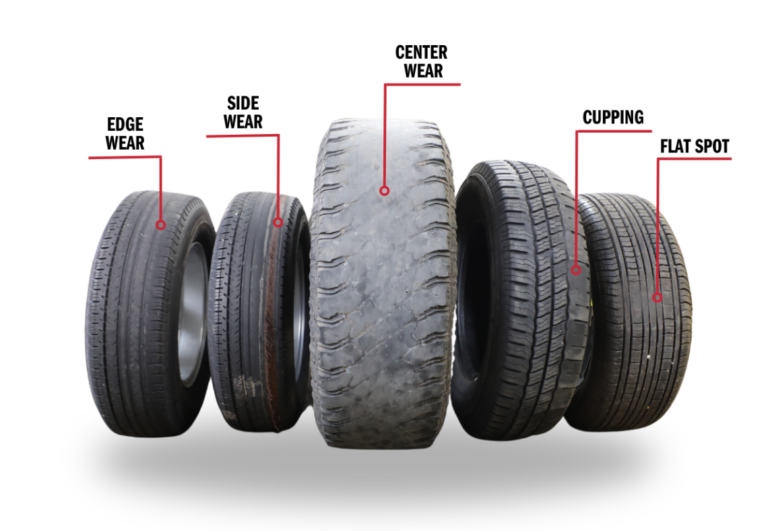
Without proper alignment, tires can wear unevenly, leading to premature replacement. Uneven wear patterns can also affect the vehicle’s handling and safety, making regular alignment checks essential.
- Premature tire replacement
- Affects vehicle handling
- Compromises safety
Reduced Fuel Efficiency
Misaligned wheels can increase rolling resistance, causing the engine to work harder and consume more fuel. This results in reduced fuel efficiency and higher fuel costs over time.
- Increased rolling resistance
- Higher fuel consumption
- Increased fuel costs
Compromised Vehicle Handling
Misalignment can lead to poor vehicle handling, making it difficult to maintain control, especially in adverse conditions. Proper alignment ensures that the vehicle responds accurately to steering inputs.
- Poor vehicle handling
- Difficult to maintain control
- Accurate steering response
How Often Do You Need A Wheel Alignment?
Manufacturer Recommendations
Most manufacturers recommend checking wheel alignment every 6,000 to 10,000 miles. However, it’s essential to consult your vehicle’s manual for specific recommendations, as they can vary based on the make and model.
- Check every 6,000 to 10,000 miles
- Consult vehicle manual
- Varies by make and model
Factors Affecting Alignment Frequency
Several factors can affect how often you need a wheel alignment. These include driving conditions, road quality, and vehicle modifications. Regular checks are crucial, especially if you frequently drive on rough roads or have modified your vehicle’s suspension.
- Driving conditions
- Road quality
- Vehicle modifications
The Wheel Alignment Process
Initial Vehicle Inspection
The wheel alignment process begins with an initial inspection of the vehicle’s suspension and steering components. This step ensures that there are no underlying issues that could affect the alignment process.
- Inspect suspension components
- Check steering components
- Identify underlying issues
Adjustment of Camber, Toe, and Caster Angles
Once the inspection is complete, the technician adjusts the camber, toe, and caster angles to the manufacturer’s specifications. This step ensures that the wheels are aligned correctly for optimal performance.
- Adjust camber angle
- Adjust toe angle
- Adjust caster angle
Verification and Road Testing
After adjustments, the vehicle undergoes verification and road testing to ensure the alignment is correct. This step confirms that the vehicle drives straight and handles well.
- Verify alignment adjustments
- Conduct road testing
- Confirm straight driving
DIY Wheel Alignment vs Professional Service
Tools Required for DIY Alignment
DIY wheel alignment requires specific tools, including a camber gauge, toe plates, and a caster gauge. While it’s possible to perform alignment at home, it requires precision and expertise to achieve accurate results.
- Camber gauge
- Toe plates
- Caster gauge
Benefits of Professional Alignment Services
Professional alignment services offer several benefits, including access to advanced equipment and experienced technicians. These services ensure precise alignment, improving vehicle performance and safety.
- Access to advanced equipment
- Experienced technicians
- Ensures precise alignment
Wheel Alignment and Vehicle Suspension
Relationship Between Alignment and Suspension Components
Wheel alignment is closely related to the vehicle’s suspension components. Proper alignment ensures that the suspension system functions optimally, providing a smooth and comfortable ride.
- Ensures optimal suspension function
- Provides smooth ride
- Enhances comfort
Impact on Ride Comfort and Handling
Proper alignment significantly impacts ride comfort and handling. It ensures that the vehicle responds accurately to steering inputs and provides a comfortable driving experience.
- Accurate steering response
- Comfortable driving experience
- Enhances handling
Alignment for Different Vehicle Types
Passenger Cars vs SUVs and Trucks
Alignment requirements can vary between passenger cars, SUVs, and trucks. Each vehicle type has specific alignment specifications to ensure optimal performance and safety.
- Different alignment specifications
- Ensures optimal performance
- Enhances safety
Front-Wheel Drive vs Rear-Wheel Drive Alignment
Front-wheel drive and rear-wheel drive vehicles have different alignment needs. Understanding these differences is crucial for maintaining proper alignment and vehicle performance.
- Different alignment needs
- Maintains proper alignment
- Ensures vehicle performance
Cost of Wheel Alignment Services
Factors Influencing Alignment Costs
Several factors influence the cost of wheel alignment services, including the type of vehicle, location, and service provider. It’s essential to compare prices and services to find the best value.
- Type of vehicle
- Location
- Service provider
Long-Term Savings from Regular Alignments
Regular wheel alignments can lead to long-term savings by extending tire life and improving fuel efficiency. Investing in regular alignments can save money on tire replacements and fuel costs.
- Extends tire life
- Improves fuel efficiency
- Saves money
FAQs
Can you align your own wheels at home?
Yes, you can align your own wheels at home, but it requires specific tools and expertise. DIY alignment can be challenging and may not achieve the precision of professional services. It’s often recommended to seek professional help for accurate results.
How long does a wheel alignment take?
A typical wheel alignment takes about one to two hours. The duration can vary based on the vehicle type and the complexity of the alignment adjustments needed. It’s best to consult with the service provider for a more accurate time estimate.
Is wheel alignment necessary after new tires?
Yes, wheel alignment is necessary after installing new tires to ensure they wear evenly and perform optimally. Proper alignment helps maintain the vehicle’s handling and extends the life of the new tires. It’s a crucial step in tire maintenance.
What are the symptoms of bad wheel alignment?
Symptoms of bad wheel alignment include uneven tire wear, the vehicle pulling to one side, and a crooked steering wheel. These signs indicate that the wheels are not aligned correctly and need adjustment. Addressing these symptoms promptly can prevent further issues.
How much does a typical wheel alignment cost?
The cost of a typical wheel alignment ranges from 0 to 00. Prices can vary based on the vehicle type, location, and service provider. It’s advisable to compare prices and services to ensure you get the best value for your money.