
Fleet Tyre Management Strategies: Maximizing Safety, Efficiency, and Performance
In the bustling and dynamic environment of the GCC, fleet tyre management is a critical component for businesses aiming to maximize safety, efficiency, and performance. Effective strategies not only ensure the longevity of tyres but also significantly reduce operational costs. This comprehensive guide delves into the essential components and benefits of fleet tyre management strategies.
What are the key components of effective fleet tyre management?
Preventative maintenance schedules
Preventative maintenance schedules are the backbone of effective fleet tyre management. By adhering to a regular maintenance routine, fleet managers can identify potential issues before they escalate into costly problems. This proactive approach ensures that tyres are always in optimal condition, reducing the risk of unexpected breakdowns.
- Regular inspections to identify wear and tear
- Scheduled tyre rotations to promote even wear
- Timely replacement of worn-out tyres
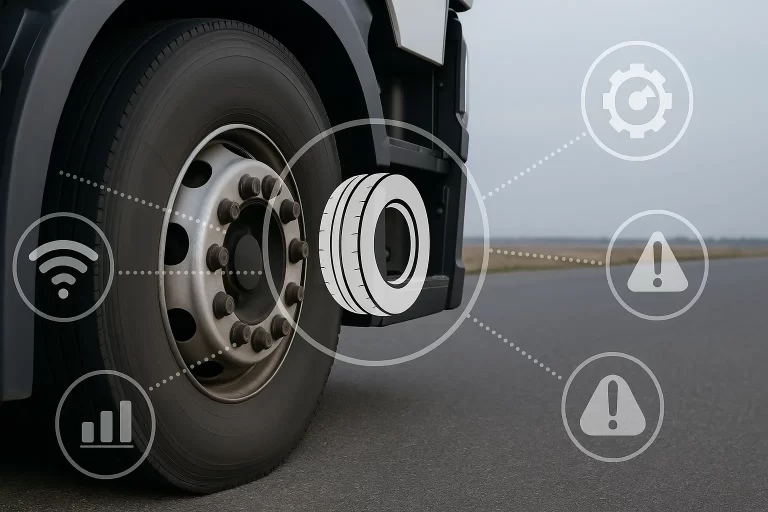
Tyre pressure monitoring systems (TPMS)
Tyre pressure monitoring systems (TPMS) play a crucial role in maintaining optimal tyre pressure. These systems provide real-time data, allowing fleet managers to make informed decisions and prevent issues related to under-inflation or over-inflation. Proper tyre pressure not only enhances safety but also improves fuel efficiency.
- Real-time alerts for pressure deviations
- Enhanced fuel efficiency through optimal pressure
- Reduced risk of tyre blowouts
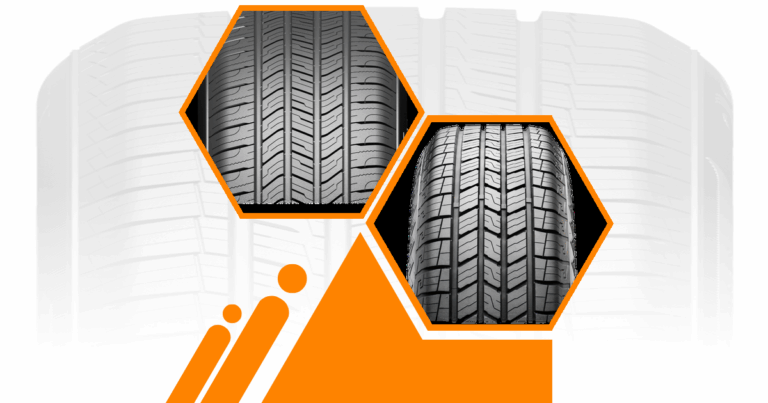
Regular tread depth inspections
Regular tread depth inspections are vital for ensuring tyre safety and performance. Adequate tread depth provides better traction, especially in wet conditions, reducing the risk of accidents. Fleet managers should implement routine checks to ensure that all tyres meet the required safety standards.
- Improved traction and handling
- Compliance with safety regulations
- Early detection of uneven wear patterns
Proper wheel alignment and balancing
Proper wheel alignment and balancing are essential for extending tyre life and ensuring smooth vehicle operation. Misaligned wheels can lead to uneven tyre wear and increased fuel consumption. Regular alignment checks help maintain vehicle stability and reduce unnecessary strain on tyres.
- Enhanced vehicle stability and handling
- Prevention of uneven tyre wear
- Improved fuel efficiency
How can fleet managers optimize tyre performance and longevity?
Implementing driver training programs
Driver training programs are instrumental in optimizing tyre performance and longevity. Educating drivers on best practices, such as avoiding harsh braking and maintaining steady speeds, can significantly reduce tyre wear. Well-trained drivers contribute to the overall efficiency and safety of the fleet.
- Reduced tyre wear through improved driving habits
- Enhanced safety and vehicle control
- Lower maintenance costs
Utilizing tyre rotation techniques
Utilizing tyre rotation techniques is a simple yet effective way to promote even tyre wear. By regularly rotating tyres, fleet managers can ensure that all tyres wear evenly, extending their lifespan and improving performance. This practice is essential for maintaining a balanced and efficient fleet.
- Even distribution of tyre wear
- Extended tyre lifespan
- Improved vehicle handling
Selecting the right tyres for specific vehicle types and routes
Selecting the right tyres for specific vehicle types and routes is crucial for optimizing performance. Different vehicles and terrains require specific tyre characteristics to ensure safety and efficiency. Fleet managers should consider factors such as load capacity, road conditions, and climate when choosing tyres.
- Enhanced safety and performance
- Reduced risk of tyre-related issues
- Improved fuel efficiency
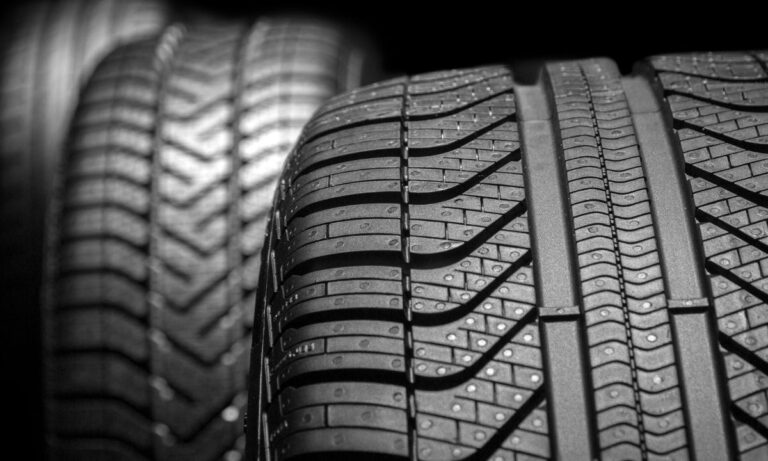
Monitoring tyre wear patterns and addressing issues promptly
Monitoring tyre wear patterns and addressing issues promptly is key to maintaining a reliable fleet. By regularly inspecting tyres for signs of uneven wear or damage, fleet managers can take corrective actions before problems escalate. This proactive approach minimizes downtime and extends tyre life.
- Early detection of potential issues
- Reduced risk of unexpected breakdowns
- Prolonged tyre lifespan
What role does tyre pressure play in fleet operational efficiency?
Impact on fuel consumption and costs
Tyre pressure has a direct impact on fuel consumption and costs. Under-inflated tyres increase rolling resistance, leading to higher fuel consumption. By maintaining optimal tyre pressure, fleet managers can significantly reduce fuel expenses and improve overall efficiency.
- Reduced fuel consumption through optimal pressure
- Lower operational costs
- Enhanced environmental sustainability
Effects on tyre lifespan and wear
Proper tyre pressure is essential for maximizing tyre lifespan and minimizing wear. Over-inflated or under-inflated tyres wear unevenly, reducing their lifespan and increasing replacement costs. Maintaining the correct pressure ensures even wear and extends tyre life.
- Prolonged tyre lifespan
- Reduced replacement frequency
- Improved safety and performance
Importance of maintaining optimal pressure levels
Maintaining optimal pressure levels is crucial for ensuring safety and efficiency. Properly inflated tyres provide better traction, handling, and braking performance. Fleet managers should implement regular pressure checks to ensure that all tyres are within the recommended range.
- Enhanced vehicle handling and safety
- Improved fuel efficiency
- Reduced risk of tyre-related accidents
Benefits of automated tyre pressure monitoring solutions
Automated tyre pressure monitoring solutions offer numerous benefits for fleet management. These systems provide real-time data and alerts, allowing fleet managers to address pressure issues promptly. Automated solutions enhance safety, reduce maintenance costs, and improve overall efficiency.
- Real-time pressure monitoring and alerts
- Reduced maintenance costs
- Enhanced fleet safety and efficiency
How can fleet tyre management strategies reduce overall operational costs?
Minimizing fuel consumption through proper tyre maintenance
Proper tyre maintenance is key to minimizing fuel consumption. By ensuring that tyres are in optimal condition, fleet managers can reduce rolling resistance and improve fuel efficiency. This not only lowers operational costs but also contributes to environmental sustainability.
- Reduced fuel expenses
- Enhanced environmental sustainability
- Improved fleet efficiency
Extending tyre lifespan to decrease replacement frequency
Extending tyre lifespan is a cost-effective strategy for reducing replacement frequency. By implementing regular maintenance and monitoring practices, fleet managers can prolong tyre life and reduce the need for frequent replacements. This approach significantly lowers operational costs.
- Reduced tyre replacement costs
- Prolonged tyre lifespan
- Improved budget management
Reducing vehicle downtime and maintenance expenses
Effective tyre management strategies reduce vehicle downtime and maintenance expenses. By preventing tyre-related issues, fleet managers can ensure that vehicles remain operational and productive. This minimizes disruptions and maximizes fleet efficiency.
- Minimized vehicle downtime
- Lower maintenance expenses
- Enhanced fleet productivity
Improving overall fleet productivity and efficiency
Improving overall fleet productivity and efficiency is a key benefit of effective tyre management. By optimizing tyre performance and reducing maintenance needs, fleet managers can ensure that vehicles operate smoothly and efficiently. This enhances the overall productivity of the fleet.
- Enhanced fleet productivity
- Improved operational efficiency
- Reduced operational costs
What are the safety benefits of implementing comprehensive fleet tyre management?
Reducing the risk of tyre-related accidents and breakdowns
Comprehensive fleet tyre management significantly reduces the risk of tyre-related accidents and breakdowns. By maintaining tyres in optimal condition, fleet managers can ensure that vehicles operate safely and reliably. This enhances driver safety and reduces liability risks.
- Enhanced driver safety
- Reduced risk of accidents
- Improved fleet reliability
Enhancing vehicle handling and braking performance
Proper tyre management enhances vehicle handling and braking performance. Well-maintained tyres provide better traction and control, allowing drivers to navigate safely and efficiently. This improves overall vehicle performance and safety.
- Improved vehicle handling
- Enhanced braking performance
- Increased driver confidence
Ensuring compliance with legal tyre safety requirements
Ensuring compliance with legal tyre safety requirements is a critical aspect of fleet management. By adhering to safety standards, fleet managers can avoid legal issues and penalties. This not only protects the business but also enhances its reputation.
- Compliance with safety regulations
- Avoidance of legal penalties
- Enhanced business reputation
Improving driver confidence and comfort
Improving driver confidence and comfort is an important benefit of effective tyre management. Well-maintained tyres provide a smoother ride, reducing driver fatigue and enhancing comfort. This contributes to a safer and more productive driving experience.
- Enhanced driver comfort
- Reduced driver fatigue
- Improved driving experience
What are the advantages of using digital fleet tyre management solutions?
Real-time monitoring and data collection
Digital fleet tyre management solutions offer real-time monitoring and data collection capabilities. These systems provide valuable insights into tyre performance, allowing fleet managers to make informed decisions. Real-time data enhances safety and efficiency.
- Real-time performance insights
- Informed decision-making
- Enhanced safety and efficiency
Predictive maintenance capabilities
Predictive maintenance capabilities are a key advantage of digital solutions. By analyzing data trends, these systems can predict potential issues before they occur. This proactive approach reduces downtime and maintenance costs.
- Proactive issue detection
- Reduced downtime
- Lower maintenance costs
Streamlined inventory management
Streamlined inventory management is another benefit of digital solutions. By tracking tyre usage and performance, fleet managers can optimize inventory levels and reduce waste. This improves budget management and operational efficiency.
- Optimized inventory levels
- Reduced waste
- Improved budget management
Enhanced decision-making through data analytics
Enhanced decision-making through data analytics is a significant advantage of digital solutions. By analyzing performance data, fleet managers can identify trends and make strategic decisions. This improves overall fleet management and efficiency.
- Data-driven decision-making
- Improved fleet management
- Enhanced operational efficiency
How can fleet managers ensure proper tyre selection for their vehicles?
Considering vehicle type and load requirements
Considering vehicle type and load requirements is crucial for proper tyre selection. Different vehicles and loads require specific tyre characteristics to ensure safety and performance. Fleet managers should evaluate these factors when choosing tyres.
- Tailored tyre selection
- Enhanced safety and performance
- Reduced risk of tyre-related issues
Evaluating road conditions and climate factors
Evaluating road conditions and climate factors is essential for selecting the right tyres. Different terrains and weather conditions require specific tyre features to ensure optimal performance. Fleet managers should consider these factors when making tyre selections.
- Optimized tyre performance
- Improved safety and efficiency
- Reduced risk of accidents
Analyzing fuel efficiency and performance characteristics
Analyzing fuel efficiency and performance characteristics is important for tyre selection. Tyres with low rolling resistance improve fuel efficiency and reduce operational costs. Fleet managers should prioritize these features when choosing tyres.
- Improved fuel efficiency
- Reduced operational costs
- Enhanced performance
Consulting with tyre manufacturers and industry experts
Consulting with tyre manufacturers and industry experts is a valuable step in tyre selection. These professionals provide insights into the latest tyre technologies and trends. Fleet managers can leverage this expertise to make informed decisions.
- Access to expert insights
- Informed tyre selection
- Enhanced fleet performance
What are the environmental impacts of effective fleet tyre management?
Reducing carbon emissions through improved fuel efficiency
Effective fleet tyre management reduces carbon emissions by improving fuel efficiency. Properly maintained tyres reduce rolling resistance, leading to lower fuel consumption and emissions. This contributes to environmental sustainability.
- Lower carbon emissions
- Enhanced environmental sustainability
- Improved fuel efficiency
Minimizing tyre waste through extended lifespan
Minimizing tyre waste through extended lifespan is a key environmental benefit. By prolonging tyre life, fleet managers reduce the need for frequent replacements, decreasing waste. This supports sustainable practices and reduces environmental impact.
- Reduced tyre waste
- Prolonged tyre lifespan
- Enhanced sustainability
Promoting sustainable tyre manufacturing and recycling practices
Promoting sustainable tyre manufacturing and recycling practices is essential for environmental responsibility. Fleet managers should prioritize tyres made from sustainable materials and support recycling initiatives. This contributes to a greener future.
- Support for sustainable practices
- Reduced environmental impact
- Enhanced corporate responsibility
Supporting overall fleet sustainability goals
Supporting overall fleet sustainability goals is a key benefit of effective tyre management. By reducing emissions and waste, fleet managers contribute to broader sustainability objectives. This enhances the company’s reputation and environmental impact.
- Alignment with sustainability goals
- Enhanced corporate reputation
- Reduced environmental footprint
What are the key considerations for managing tyres in electric vehicle fleets?
Addressing unique wear patterns due to increased torque
Managing tyres in electric vehicle fleets requires addressing unique wear patterns due to increased torque. Electric vehicles often experience different wear patterns, necessitating specific maintenance practices. Fleet managers should monitor these patterns closely.
- Unique wear pattern management
- Enhanced tyre performance
- Improved vehicle efficiency
Managing tyre noise reduction for quieter EV operation
Managing tyre noise reduction is important for quieter EV operation. Electric vehicles are typically quieter, making tyre noise more noticeable. Fleet managers should select tyres designed for noise reduction to enhance the driving experience.
- Reduced tyre noise
- Enhanced driving experience
- Improved vehicle comfort
Selecting tyres optimized for EV range and efficiency
Selecting tyres optimized for EV range and efficiency is crucial for electric vehicle fleets. Tyres with low rolling resistance improve range and efficiency, reducing operational costs. Fleet managers should prioritize these features when choosing tyres.
- Improved EV range
- Enhanced efficiency
- Reduced operational costs
Adapting maintenance practices for EV-specific requirements
Adapting maintenance practices for EV-specific requirements is essential for effective tyre management. Electric vehicles have unique maintenance needs, and fleet managers should tailor their practices accordingly. This ensures optimal performance and longevity.
- Tailored maintenance practices
- Enhanced EV performance
- Prolonged tyre lifespan
How can fleet managers leverage telematics for improved tyre management?
Integrating tyre pressure and temperature sensors
Integrating tyre pressure and temperature sensors is a key telematics strategy for improved tyre management. These sensors provide real-time data, allowing fleet managers to monitor tyre conditions and address issues promptly.
- Real-time tyre monitoring
- Proactive issue detection
- Enhanced safety and efficiency
Utilizing GPS data for route optimization and wear analysis
Utilizing GPS data for route optimization and wear analysis is an effective telematics strategy. By analyzing route data, fleet managers can identify patterns and optimize routes to reduce tyre wear and improve efficiency.
- Optimized routes
- Reduced tyre wear
- Improved efficiency
Implementing driver behavior monitoring for tyre preservation
Implementing driver behavior monitoring is a valuable telematics strategy for tyre preservation. By tracking driving habits, fleet managers can identify areas for improvement and reduce tyre wear. This enhances safety and extends tyre life.
- Improved driving habits
- Reduced tyre wear
- Enhanced safety
Generating comprehensive reports for data-driven decision making
Generating comprehensive reports is a key telematics strategy for data-driven decision making. By analyzing performance data, fleet managers can identify trends and make informed decisions. This improves overall fleet management and efficiency.
- Data-driven insights
- Informed decision-making
- Enhanced fleet management
What are the benefits of implementing a proactive fleet tyre management approach?
Preventing unexpected tyre failures and roadside breakdowns
Implementing a proactive fleet tyre management approach prevents unexpected tyre failures and roadside breakdowns. By addressing potential issues early, fleet managers can ensure that vehicles remain operational and reliable.
- Reduced risk of breakdowns
- Enhanced fleet reliability
- Improved safety
Optimizing tyre performance throughout their lifecycle
Optimizing tyre performance throughout their lifecycle is a key benefit of a proactive approach. By maintaining tyres in optimal condition, fleet managers can ensure consistent performance and safety.
- Consistent tyre performance
- Enhanced safety and efficiency
- Prolonged tyre lifespan
Enhancing overall fleet reliability and operational efficiency
Enhancing overall fleet reliability and operational efficiency is a significant benefit of proactive tyre management. By preventing issues and optimizing performance, fleet managers can ensure that vehicles operate smoothly and efficiently.
- Improved fleet reliability
- Enhanced operational efficiency
- Reduced operational costs
Reducing total cost of ownership for fleet vehicles
Reducing the total cost of ownership for fleet vehicles is a key benefit of proactive tyre management. By minimizing maintenance needs and extending tyre life, fleet managers can significantly lower operational costs.
- Lower total cost of ownership
- Reduced maintenance expenses
- Enhanced budget management
How can AM Autoparts help optimize your fleet tyre management strategy?
Comprehensive tyre selection and consultation services
AM Autoparts offers comprehensive tyre selection and consultation services to help fleet managers choose the right tyres for their vehicles. Their expert team provides valuable insights and recommendations tailored to specific needs.
- Expert tyre selection guidance
- Tailored recommendations
- Enhanced fleet performance
Advanced tyre monitoring and maintenance solutions
AM Autoparts provides advanced tyre monitoring and maintenance solutions to enhance fleet management. Their cutting-edge technology ensures real-time monitoring and proactive maintenance, improving safety and efficiency.
- Real-time monitoring solutions
- Proactive maintenance capabilities
- Enhanced safety and efficiency
Customized fleet management programs tailored to your needs
AM Autoparts offers customized fleet management programs tailored to the unique needs of each client. Their personalized approach ensures that fleet managers receive the support and solutions necessary for optimal performance.
- Tailored fleet management programs
- Personalized support and solutions
- Enhanced fleet performance
Ongoing support and expertise from industry professionals
AM Autoparts provides ongoing support and expertise from industry professionals to ensure the success of your fleet tyre management strategy. Their experienced team is dedicated to helping clients achieve their goals and optimize performance.
- Expert support and guidance
- Dedicated industry professionals
- Enhanced fleet management success
FAQs
How often should fleet tyres be inspected?
Fleet tyres should be inspected regularly to ensure safety and performance. It is recommended to conduct inspections at least once a month or before long trips. Regular inspections help identify potential issues early, reducing the risk of accidents and breakdowns.
What are the best practices for fleet tyre rotation?
Best practices for fleet tyre rotation include rotating tyres every 5,000 to 8,000 kilometers. This ensures even wear and extends tyre lifespan. Regular rotation is essential for maintaining balanced performance and safety.
How do fleet tyre management strategies impact driver safety?
Fleet tyre management strategies significantly impact driver safety by ensuring that tyres are in optimal condition. Properly maintained tyres provide better traction, handling, and braking performance, reducing the risk of accidents. This enhances overall driver safety and confidence.