
In the bustling world of construction, the importance of reliable and durable equipment cannot be overstated. Among the critical components of construction fleets are heavy duty tyres, which play a pivotal role in ensuring the smooth operation of vehicles on challenging terrains. This article delves into the intricacies of heavy duty tyres for construction fleets, focusing on their features, selection, maintenance, and the latest innovations in the field.
What are Heavy Duty Tyres for Construction Fleets?
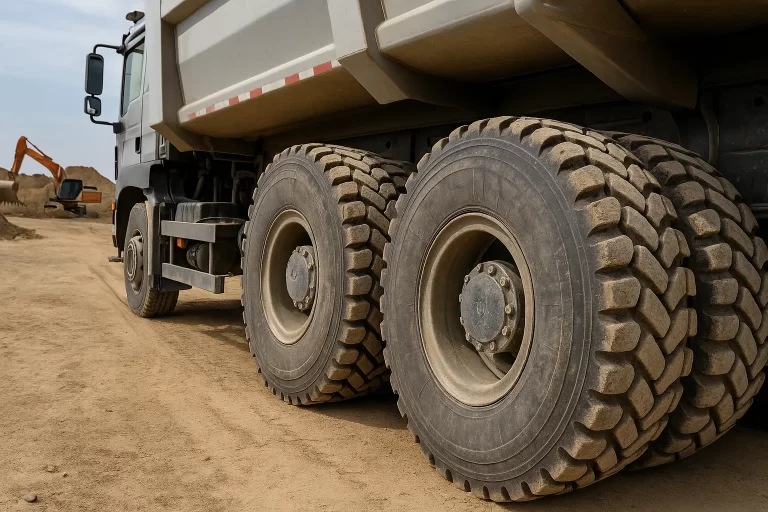
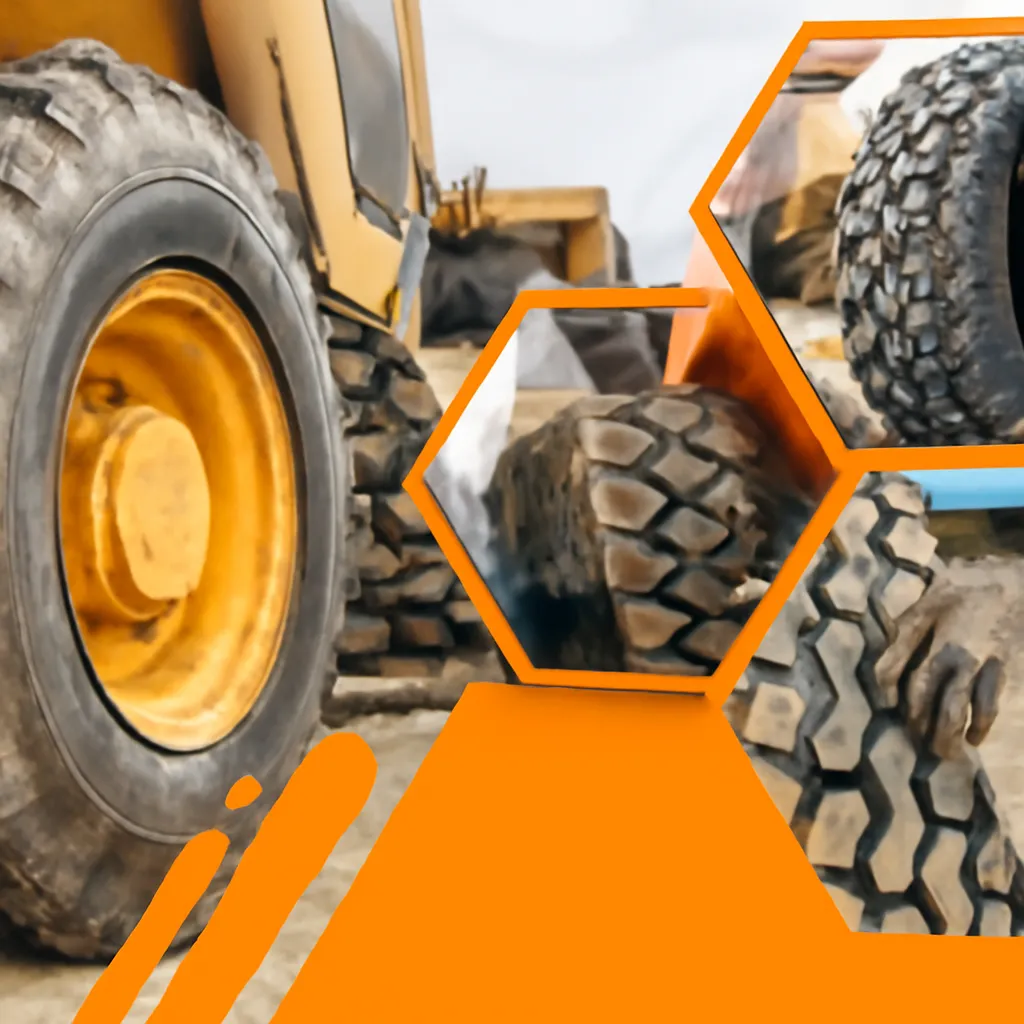
Heavy duty tyres are specifically designed to withstand the rigorous demands of construction environments. These tyres are built to support heavy loads, provide excellent traction, and resist wear and tear from rough surfaces.
Key Features and Benefits
Heavy duty tyres are characterized by their robust construction and specialized tread patterns. They offer enhanced durability, which is crucial for minimizing downtime and maximizing productivity on construction sites. Additionally, these tyres provide superior traction, ensuring safety and stability for vehicles operating on uneven and slippery surfaces.
- Durability: Built to last, reducing the frequency of replacements.
- Traction: Enhanced grip on various terrains, improving safety.
- Load Capacity: Capable of supporting heavy machinery and equipment.
Types of Heavy Duty Tyres for Different Construction Applications
Different construction tasks require specific types of tyres. For instance, earthmovers need tyres with deep treads for better grip, while cranes require tyres that can support immense weight without compromising stability.
- Earthmover Tyres: Designed for maximum traction and durability.
- Crane Tyres: Built to handle heavy loads with stability.
- Loader Tyres: Offer a balance of traction and load-bearing capacity.
How to Choose the Right Heavy Duty Tyres for Your Construction Fleet
Selecting the right tyres for your construction fleet is crucial for optimizing performance and cost-efficiency. Several factors must be considered to ensure the best fit for your vehicles and job requirements.
Factors to Consider When Selecting Tyres
When choosing heavy duty tyres, consider the type of terrain, load capacity, and the specific requirements of your construction equipment. The right choice can significantly impact the efficiency and safety of your operations.
- Terrain Type: Match the tyre to the surface conditions.
- Load Requirements: Ensure the tyre can support the vehicle’s weight.
- Tread Design: Choose based on the need for traction and stability.
Matching Tyre Specifications to Vehicle and Job Requirements
It’s essential to align tyre specifications with the vehicle’s capabilities and the nature of the construction tasks. This alignment ensures optimal performance and longevity of the tyres.
- Vehicle Compatibility: Ensure the tyre fits the vehicle’s specifications.
- Job-Specific Needs: Select tyres that meet the demands of specific tasks.
- Manufacturer Recommendations: Follow guidelines for best results.
Maximizing the Lifespan of Heavy Duty Tyres in Construction
Proper maintenance is key to extending the lifespan of heavy duty tyres. Regular inspections and appropriate care can prevent premature wear and costly replacements.
Proper Maintenance and Inspection Practices
Routine checks for wear and damage, along with timely repairs, can significantly enhance tyre longevity. Implementing a maintenance schedule is crucial for identifying issues early.
- Regular Inspections: Check for cuts, punctures, and tread wear.
- Timely Repairs: Address minor damages before they escalate.
- Scheduled Maintenance: Follow a routine to ensure consistent performance.
Tire Pressure Management and Its Impact on Performance
Maintaining the correct tyre pressure is vital for optimal performance and fuel efficiency. Under-inflated tyres can lead to increased wear and higher fuel consumption.
- Correct Inflation: Ensures even wear and better fuel economy.
- Pressure Monitoring: Use systems to track and maintain optimal levels.
- Impact on Fuel Efficiency: Proper inflation can improve fuel economy by up to 3.3% (source: U.S. Department of Energy).
The Impact of Heavy Duty Tyres on Fuel Efficiency and Operating Costs
Investing in quality heavy duty tyres can lead to significant savings in fuel and operating costs. Advanced tyre technologies contribute to better fuel efficiency and reduced expenses.
Fuel-Saving Tyre Technologies for Construction Fleets
Modern tyres incorporate technologies that enhance fuel efficiency, such as low rolling resistance and advanced tread designs. These innovations help reduce the overall cost of operations.
- Low Rolling Resistance: Reduces energy loss, improving fuel economy.
- Advanced Tread Patterns: Enhance traction while minimizing fuel consumption.
- Eco-Friendly Compounds: Contribute to lower environmental impact.
Cost-Benefit Analysis of Investing in Quality Heavy Duty Tyres
While high-quality tyres may have a higher upfront cost, their long-term benefits outweigh the initial investment. Reduced downtime and maintenance costs lead to overall savings.
- Initial Investment: Higher cost but better value over time.
- Long-Term Savings: Fewer replacements and repairs needed.
- Improved Productivity: Less downtime due to tyre failures.
Innovations in Heavy Duty Tyre Technology for Construction Applications
The tyre industry is continuously evolving, with new technologies enhancing the performance and efficiency of heavy duty tyres. These innovations are crucial for meeting the demands of modern construction projects.
Advanced Compounds and Tread Designs
New materials and tread designs are being developed to improve durability and performance. These advancements help tyres withstand harsh conditions and extend their lifespan.
- Durable Compounds: Resist cuts and abrasions.
- Innovative Tread Patterns: Provide better grip and stability.
- Enhanced Longevity: Longer-lasting tyres reduce replacement frequency.
Smart Tyre Monitoring Systems for Fleet Management
Smart tyre systems offer real-time data on tyre conditions, enabling proactive maintenance and reducing the risk of unexpected failures. These systems are invaluable for fleet management.
- Real-Time Monitoring: Provides data on pressure and temperature.
- Predictive Maintenance: Identifies potential issues before they occur.
- Fleet Efficiency: Optimizes tyre performance across the fleet.
How do heavy duty tyres improve safety on construction sites?
Heavy duty tyres enhance safety on construction sites by providing superior traction and stability. These tyres are designed to handle challenging terrains, reducing the risk of accidents. Additionally, their cut and chip resistance ensures they remain intact in harsh environments, further contributing to site safety.
Traction and Stability Features for Challenging Terrains
Heavy duty tyres are equipped with features that improve traction and stability, essential for navigating difficult terrains safely. These features help prevent slips and skids, ensuring the safety of operators and equipment.
- Deep Treads: Enhance grip on loose or uneven surfaces.
- Stability Enhancements: Reduce the risk of tipping or sliding.
- All-Terrain Capabilities: Suitable for various site conditions.
Cut and Chip Resistance for Harsh Environments
The construction environment can be harsh on tyres, with sharp objects and rough surfaces posing constant threats. Heavy duty tyres are designed to resist cuts and chips, maintaining their integrity and performance.
- Reinforced Sidewalls: Protect against punctures and cuts.
- Durable Materials: Resist damage from sharp objects.
- Long-Lasting Performance: Maintain functionality in tough conditions.
Environmental Considerations for Heavy Duty Tyres in Construction
Sustainability is becoming increasingly important in the construction industry. Heavy duty tyres are no exception, with manufacturers focusing on eco-friendly practices and recycling options.
Sustainable Manufacturing Processes
Many tyre manufacturers are adopting sustainable practices to reduce their environmental impact. These processes include using eco-friendly materials and minimizing waste during production.
- Eco-Friendly Materials: Reduce the carbon footprint of tyre production.
- Waste Reduction: Implementing efficient manufacturing techniques.
- Energy Efficiency: Lower energy consumption during production.
Recycling and Disposal Options for Used Tyres
Proper disposal and recycling of used tyres are crucial for minimizing environmental impact. Many tyres can be repurposed or recycled, contributing to a circular economy.
- Recycling Programs: Convert old tyres into new products.
- Energy Recovery: Use scrap tyres for energy generation.
- Circular Economy: Promote sustainable use of resources.
Successful Implementation of Heavy Duty Tyres in Construction Projects
Real-world examples highlight the benefits of using high-quality heavy duty tyres in construction projects. These case studies demonstrate improved productivity and cost savings.
Improved Productivity and Reduced Downtime
Construction companies that invest in quality tyres often experience increased productivity and reduced downtime. Reliable tyres ensure that equipment remains operational, minimizing delays.
- Consistent Performance: Reliable tyres keep projects on schedule.
- Reduced Downtime: Fewer tyre-related interruptions.
- Enhanced Efficiency: Smooth operations lead to better outcomes.
Long-Term Cost Savings for Fleet Operators
While the initial investment in premium tyres may be higher, the long-term savings are significant. Reduced maintenance and replacement costs contribute to overall cost efficiency.
- Lower Maintenance Costs: Fewer repairs and replacements needed.
- Extended Tyre Lifespan: Longer-lasting tyres reduce expenses.
- Overall Savings: Better value for fleet operators.
The Future of Heavy Duty Tyres for Construction Fleets
The future of heavy duty tyres is promising, with emerging technologies and materials set to revolutionize the industry. These advancements will address the evolving needs of the construction sector.
Emerging Technologies and Materials
Innovations in materials and technology are paving the way for more efficient and durable tyres. These developments will enhance performance and sustainability.
- Nanotechnology: Improves material strength and durability.
- Smart Materials: Adapt to changing conditions for better performance.
- Sustainable Innovations: Focus on eco-friendly solutions.
Adapting to Evolving Construction Industry Needs
As the construction industry evolves, so too must the tyres that support it. Future tyres will need to meet new challenges and requirements, ensuring they remain a vital component of construction fleets.
- Increased Load Capacities: Meet the demands of larger equipment.
- Enhanced Safety Features: Address new safety standards.
- Adaptability: Designed for diverse and changing environments.
In conclusion, heavy duty tyres are an essential component of construction fleets, offering durability, safety, and cost-efficiency. By understanding their features, selecting the right tyres, and maintaining them properly, construction companies can maximize their investment and ensure smooth operations. As the industry continues to evolve, innovations in tyre technology will play a crucial role in meeting future challenges and demands.
FAQs
What is the average lifespan of heavy duty tyres for construction fleets?
The average lifespan of heavy duty tyres for construction fleets is typically between 3 to 5 years, depending on factors such as usage, maintenance, and environmental conditions. Regular inspections and proper care can extend their lifespan. It’s important to monitor tyre condition to ensure safety and performance.
How often should heavy duty tyres be replaced on construction vehicles?
Heavy duty tyres should be replaced when they show significant signs of wear or damage, typically every 3 to 5 years, depending on usage and maintenance. Regular inspections can help determine the right time for replacement. It’s crucial to replace tyres before they become a safety hazard.
What are the best heavy duty tyres for construction equipment?
The best heavy duty tyres for construction equipment are those that match the specific needs of the machinery and the job site conditions. Brands like Michelin, Bridgestone, and Goodyear offer a range of tyres designed for various construction applications. It’s important to consider factors such as load capacity, terrain, and durability when selecting tyres.